Showing posts with label 2002. Show all posts

15 Jan 2022

CMX - Isohaara (2002)

1) Päänsärkijä; 2) Pohjoista leveyttä; 3) Veitsenterä; 4) Minne paha haudattiin; 5) Isohaara; 6) Revontulten repijä; 7) Minun sydämeni on särkynyt; 8) Post mortem; 9) Lihan syvyyksiin; 10) Silmien takana; 11) Tuulilukko

No plans, "just" songs in a breadth of styles - in good and bad.

Key tracks: "Pohjoista leveyttä", "Minun sydämeni on särkynyt", "Lihan syvyyksiin"

The album that restarts with each song, as CMX themselves have retrospectively described Isohaara. Recorded across several months with no real plan behind the sessions, Isohaara looks like an obvious U-turn to take immediately after the prog epic Dinosaurus Stereophonicus: just songs, with little cohesion in-between them. Within its eleven songs you can find punk-energised thrashing around, wistful pop songs, heavy metal, an ambient ballad, an acoustic cut and radio-friendly pop/rock - there’s no connecting tissue between any of them and the tracklist may as well have been shuffled (even the band would start posting alternative song orders in later years through social media once streaming became a thing).

Isohaara wears its flaws on its sleeves and so I don’t think it’s too surprising if I say that it’s an unfocused grab bag of a record. It’s the first - and only - CMX album that doesn’t have an identity beyond a selection of songs packaged in one disc, and that obviously has an impact on the overall experience. Nor is it therefore too surprising that the quality is all over the place here, and that does include the kind of bottom of barrel material we’ve not heard in several albums: “Isohaara” only stands out because of its children’s choir (which doesn’t really add anything either), “Post mortem” doesn’t even do that and in the tracklist it represents a three minute gap in my memory. “Silmien takana” is almost a guilty pleasure, so deep in soft rock cliches that it could be a parody and yet it’s positively catchy even if it feels wrong. You can never tell what's around each corner, in style or quality. Albums with no greater focus can turn their messiness into a boon if they tap into a certain kind of creative anything-goes ethos and turn their wildness into their focus - in case of Isohaara, it sounds like a band who have plateaued and who aren’t really sure what to do except to make another record, and some of the songs make that abundantly clear.


Nonetheless, just as much as it swings low it does also score high at an even greater frequency. The lack of any guiding musical concept or theme means that CMX (inadvertently or not) steer the good ship Isohaara towards some really interesting sonic places that haven't really had space in their albums before. "Revontulten repijä" echoes within gargantuan space, sounding both mystical and futuristic as it stretches its slowburning rhythm across six minutes like a deep space funeral march; with "Minne paha haudattiin" the band who have joked about their occasional metal flair finally lean right into it, with crushing brick wall guitar riffs, an inherently Finnish coldness and even a genuine, honest-to-god guitar solo (which CMX never do);  "Lihan syvyyksiin" is at its core a good ol' CMX rock number but its arrangement shifts shape throughout, lending the song a restlessly twitchy feel halfway between groovy and derailed. Other songs drill down on the essentials without anything superfluous in the way, primarily the balls-to-walls guitar energy of the punk-spirited lead single "Pohjoista leveyttä" and the sublime pop gem "Minun sydämeni on särkynyt", the most honest and earnestly immediate song CMX have ever dared to release, far away from any attempts of self-sabotage or trying to make it weirder and it's all the better for it. Sometimes you simply need a beautiful melody and set it to simple, resonant lyrics to create something immortal - "Minun sydämeni on särkynyt" does just that and decorates it with a wistful, lush arrangement. In the chaos of Isohaara it feels like a breather in the centre, the heart that pulls the rest of the songs together as much as it can. 

It's a simple case of the good songs outweighing the weak. On an album like Isohaara where there's no red line running through - that sounds like a compilation of singles and their respective b-sides - it's that simple factoid that makes it worth a check. It's an obvious hold note, a stop gap release between two high profile albums that define the band in their own particular ways; in-between them, Isohaara primarily acts as a reminder of CMX's diversity. If you think of the album starting over with each new song, the tracks here are almost like individual teasers of eleven entirely different albums, of which almost all would have been worth a punt exploring more. And the worst thing about it is how easy it is to forget that, simply because it doesn't have a strong identity and thus gets lost in this vast discography it's in. Coming back to Isohaara always means to also rediscover it; just separate the wheat from the chaff and it becomes clear just how much of the good stuff there actually is in its song selection, obscured by memories of the incohesiveness around them.

Rating: 7/10

Physical corner: As per usual with CMX, a standard jewel case and a booklet with lyrics - this time also some moody band photos and a cryptic "So the writings would come true" message above the credits.

23 May 2021

Queens of the Stone Age - Songs for the Deaf (2002)


1) You Think I Ain't Worth a Dollar, But I Feel Like a Millionaire; 2) No One Knows; 3) First It Giveth; 4) Song for the Dead; 5) The Sky Is Fallin'; 6) Six Shooter; 7) Hangin' Tree; 8) Go with the Flow; 9) Gonna Leave You; 10) Do It Again; 11) God Is in the Radio; 12) Another Love Song; 13) Song for the Deaf; 14) Mosquito Song; Bonus track: 15) Everybody's Gonna Be Happy

Brutish, muscular and with a wicked sense of fun. It may be the only QOTSA album I really like but they sure hit the nail on the head with it.

Key tracks: “First It Giveth”, “Gonna Leave You”, “God Is in the Radio

Bands with revolving memberships can be like slot machines: sometimes the line-up changes result in jackpots, and Songs for the Deaf is the 777 for Josh Homme's band of merry musicians. No other Queens of the Stone Age album has managed to hold my attention, yet here everything locks into place. Homme as the reliable core constant; Nick Oliveri as the chaos that lends the album a manic energy; Mark Lanegan’s gravely murmurs are the perfect fit for the record's desert-dry road trip; and perhaps most importantly, Dave Grohl presents the best case for why he belongs behind the drums rather than in front of Foo Fighters. I like the songs on Songs for the Deaf too, but remove or replace any of the core set of performers that bring those songs to life, and I don’t think they would work anywhere near as well. There’s a magical chemistry between the four main QOTSA squad members on this album, which makes Songs of the Deaf the muscular, brutish and entertainingly thrilling record that it is. 
 
It's fun, too, and perhaps most of all. Songs for the Deaf sounds angry and aggressive with its heavy riffs and Grohl's thunder god drums - in my teen years this was one of my go-to grr mrr teen angst albums - but it's as playful with that harder edge as it is genuinely inclined to make a lot of noise. Songs for the Deaf presents itself as a very archetypical Guitar Rock Album by an archetypical Guitar Rock Band and there are parts of the record that are practically overwrought with generic bad-ass masculinity (the constant car thematics, the over the top capital-R Rock radio DJs, the edgelord sperm logo in the liner notes), and while it would be wrong to say that the album subverts any of that, it has fun with it. "No One Knows", "Gonna Leave You", "Another Love Song", heck even "Go With the Flow" could all have been whimsical pop songs in another life, such is their breeziness and jovial nature - which the band then push cover in their grit and muscle and splice them with a hint of something more sinister to spice things up. The edition I have features a cover of The Kinks' "Everybody's Gonna Be Happy" as a bonus track at the end, where the flower power rock-along gets the same sonical treatment as everything else on the record; that mixture is honestly much more indicative of the whole album than you'd think from a random bonus cover, and to some extent it makes it obvious what gear the band were actually operating on when coming up with the album.


Nonetheless, the best thing that Homme and his companions do across Songs for the Deaf is rock out loud and hard. “No One Knows” is the hit everyone knows but I can't say I've ever been too enamoured by it and I’d easily rank it as among the album’s weaker cuts, with that bare-bones stomp beat it mostly operates on largely cruising past what actually makes the album great. Compare it to e.g. its counterpart singles, the full-adrenaline highway cruising “Go With the Flow” and the twisting and swirling stadium anthem “First It Giveth” and you can tell what their more famous sibling lacks as they abundantly conjure a storm of energy and noise, in particular how Homme (and the countless guest guitarists across the album) makes his guitar scream and growl while Grohl operates on some unholy zeal behind the drum kit. The extended showmanship pieces - “Song for the Dead”, “Song for the Deaf” and “God Is in the Radio” - primarily exist to serve that musicianship, dedicating large sections of their running length to the jam-like interplay between musicians who have tuned onto the same mental channel and really tap into that mythical rock and roll magic that wimpy indie dweebs like me most of the time just don’t get to indulge in. 
 
But above all, this is the album of immensely rewarding deep cuts where the album’s love for solid hooks gets to run the most unrestrained. “The Sky Is Fallin’” and “Hangin’ Tree” swirl with the darker undercurrents of the most isolate parts of the desert the driver of the album’s thematic cycle drives through, and they marry that aesthetic with some of hte album's most understated yet bewitching chorus hooks. The whole final stretch from “Go with the Flow” to “Another Love Song” is fierce pogoing fun, where big guitar textures meet bigger hooks and the impish smirk of the first half of the album moves to a wide open grin: for a rock album, this is incredibly backloaded and many of its best parts lie in its deepest areas. Though, it's not like the first half has anything to be embarrassed about and in particular “You Think I Ain’t Worth a Dollar…” is the perfect opener for what Songs for the Deaf turns out to be, as it literally sucker punches the album into the groove it stays on for its duration.
 
Following Songs for the Deaf Grohl returned to his own projects and Oliveri was kicked out of the band due to abuse allegations, and the Queens subsequently lost their spark. Or at least, that's what it felt like: the follow-up album Lullabies to Paralyze was an altogether murkier affair and while it gained critical favour from the fans, the casually interested me lost track. Songs for the Deaf became a curio in a record shelf, a one-off moment of attraction from a band who transforms with each release to the delight and disgruntlement of their fans. But even for the general consensus, Songs for the Deaf has found its place as an album clearly indicative of that imperial moment when a group of musicians go all-in with the intention of creating their magnum opus, and that ambition is rewarded as soon as the gas pedal goes down in the album's intro. It'd be easy to call this dumb rock fun - it's sort of how I treat it as these days whenever I'm in the mood for it - but it's so much smarter than it lets on in how it builds its songs and lays its hooks, and those brains guiding the guitar-heavy brawn of the record is what makes it work so well. Turn the volume up, kick back and enjoy the ride.

True story: I went to a religious summer camp when I was a teenager as kids my age in my country back in the day did out of habit/peer pressure from our parents. One of the girls in my school class who I had spoken about music before also attended, and she borrowed me this album for a listen during the camp. It does amuse me how the most tangible memory I hold from that camp is that exchange and how this Christian excursion lead me to discover this album of all things.

Rating: 8/10

7 Mar 2021

Kent - Vapen & ammunition (2002)

1) Sundance Kid; 2) Pärlor; 3) Dom andra; 4) Duett (feat. Titiyo); 5) Hur jag fick dig att älska mig; 6) Kärleken väntar; 7) Socker; 8) FF; 9) Elite; 10) Sverige

Sharp, polished and straight to the point. Kent weaponise pop hooks and take aim.

Key tracks: "Sundance Kid", "Socker", "FF"

My primary complaint with Hagnesta Hill was that it was overstuffed, that Kent were going for excess when they didn’t necessarily have a clear end goal in mind. The band thought the same, which is why when going into the follow-up Vapen & ammunition their plan was to create a record that would be straight to the point. Ten songs with a ‘don’t bore us, get to the chorus’ attitude, written to stand independently with no real album concept in mind, each of which could be a single candidate. In the interest of retaining things economical even the now-traditional epic centrepiece is absent, with the six-minute “Elite” coming closest but still remaining a great distance away from the grand rock-outs of the last three records.

To serve the hits-or-bust approach, Kent have opted for a meticulously polished production for Vapen & ammunition. The incredibly processed sound all over the record is perfectionist in nature, with each filtered drum hit and keyboard layer coming across crystal clear and mechanically precise. It’s closer to the sheen of a multi-million budget pop album rather than the rock aesthetic that even Hagnesta Hill held onto closely even while it went for a heavy studio sound. The songs underneath the mirror glaze get to the point without dawdling around, with every section of each charging ahead with a clear key melody or sticking point. The title (“weapons and ammunition”, derived from scattered lyrics across the record) and the white tiger that graces the liner art are incredibly appropriate for the album: its pop instincts are smart and aggressive like a beast on a prowl and each of its songs has been engineered to deadly perfection, the hooks wielded with weapon-like efficiency. The album even opens up with an air raid siren, effective in its own right but also perhaps a very literal signal that Kent are not playing around with their chosen tools this time around.

It works frighteningly well. It’s not quite the ten hit singles it wants to be, but only because it’s hard to imagine how you could make successful singles out of the densely dreamy atmospheric wonder of “Hur jag fick att älska mig” (production highlight: the kick drum made to sound like a heartbeat for such a directly lovelorn song), or the stripped down acoustic closer “Sverige”; both are clear successes as songs though, and "Sverige" in particular provides a necessary counterpoint to the rest of the album’s hi-fi indulgence. Nothing on Vapen & ammunition is new to Kent and it’s not like they’ve shied away from catchy choruses before, it's simply that the band hone into them this time around. Musically the band are therefore on solid footing and Vapen & ammunition shines the spotlight on some of their more immediate strengths. What helps cut through the richness and sweetness of the album is frontman Jocke Berg, who continues to to branch into new topics lyrically and widening the band's scope in his own part. Many of the songs on the record may act like singalong-ready chart toppers but hide a heavy, worn-out heart underneath, more socially and politically conscious of the world around and hiding the frustration behind a chorus you can belt out.

The three big singles that did end up getting released from the album jump out from the tracklist, though arguably in part because they were such airwave hogs, and they demonstrate the record’s sharply tuned attitude really well. "Dom andra" in particular is still absolutely dominating right from its breath-as-beat intro, riding a blade-sharp electro-rock drive and an iconic whistle hook through a curiously structureless form that's like a free-form rant that became a pop song; even if it has lost some of its glimmer over the years, it's the sort of song where you can absolutely understand why it became the band’s signature song from a popular perspective, especially when it changes gears towards its impassioned finale and Berg breaks the cold and detached tone he’s held onto all song. That said, I have always preferred the slow moody disco of "Kärleken väntar" and the high-speed steamroller hooks of "FF" over their more popular sibling. "Kärleken väntar" is a direct descendant of Hagnesta Hill's slick disco-rock hit "Musik non stop" (which may as well have acted as blueprint for Vapen & ammunition), with a dancefloor-pounding beat and subtly churning guitars that meet somewhere between lovestruck ecstasy and emotional distance that gives it a curious uneasiness which sticks out. Meanwhile "FF" is arguably the best example of how Kent wanted to represent themselves in 2002 in production, mood and tone: 0 to 100 in a split second, an inescapable backbeat tapping straight into the spine and a tour de force double-chorus. 

That said, the three singles aren't among the album’s real stand-out songs, and it's the deep cuts of Vapen & ammunition that have eold up the strongest. "Socker" in particular is as classic Kent as it gets and is in fact a firm member of my personal Kent pantheon: there’s a heartwringing ache to its sighing melodies so strong it’s absolutely arresting, it features some of Berg’s most evocative writing (the second verse in particular) and on this album specifically its loud bursts of pure guitar walls shake up the tracklist's flow in a rejuvenating, and necessary, fashion. "Pärlor" is the only other truly guitar-heavy song of the record and is a reliably powerful stormer meant to play at loud volume for maximum effect, but its real secret weapon are the back-and-forth vocals in its verses. The same applies throughout Vapen & ammunition. As Kent have pushed the guitars into a less dominant role, they’ve filled the gaps with textural keyboards and most notably layered vocals and backing harmonies that appear throughout the album in a significant role. "Elite" and its gospel choir take that to its logical conclusion and though the song has always sounded a little too obvious as a big stadium anthem, there's an earnestness and glimmer to it that warms it up. It may be a big, big song but Berg pulls it back towards himself and the listener and retains some of that intimacy that its sentimental lyrics convey. “Sundance Kid”, the opener, is more or less all of the above: its lead guitar line is the first big power hook of the record until the double vocals of the chorus take its place, the loudly mixed drums are designed to capture the attention of anyone who hears their battle cry and there’s thrill to how the song unfolds. I appreciate a bold opener that acts as a statement of intent and “Sundance Kid” is the perfect gateway into Vapen & ammunition.

The one thing Vapen & ammunition slightly stumbles with is cohesiveness, and that's largely down to design. It's an album of loose songs that are playlisted next to one another, and even with years of listening they still feel like a sequence of jarring cuts from one song to the next. This is best highlighted by the mid-album double slow jam whammy of "Duett" (a perfectly nice ballad duet with Titiyo and with another strong chorus, but also clearly the song that leaves the least imprint afterwards) and "Hur jag fick att älska mig", which pulls the otherwise energetic album to a halt for a little too long in one go. As far as the songs go though, even if they're not cohesive they're consistent and excellently so. The batting average is really strong and Kent operating in this sort of high-intensity pop song craftsmanship channel is exciting in its own way, and at ten songs the trick doesn’t wear out. There’s mayhaps less nuance to Vapen & ammunition than to most other Kent albums, but the band pack it with enough strengths in other areas that as far as one-off direction exercises go, it can stand proud and tall as a great collection of songs. The album serves as an appropriate statement of Kent’s commercial imperial phase that the band were enjoying at the time: the “album full of singles” tract is something that few artists can pull off satisfyingly no matter how much they boast, but with Vapen & ammunition Kent took the opportunity to demonstrate why they had become Sweden’s biggest band within the last few years and they backed it up with songs that were fit to defend that title.

Rating: 8/10

14 Jan 2021

Interpol - Turn On the Bright Lights (2002)

1) Untitled; 2) Obstacle 1; 3) NYC; 4) PDA; 5) Say Hello to the Angels; 6) Hands Away; 7) Obstacle 2; 8) Stella Was a Diver and She Was Always Down; 9) Roland; 10) The New; 11) Leif Erikson

Not quite the classic as it's grown in reputation, but damn if the band don't sound incredible here.

Key tracks: "Obstacle 1", "NYC", "Say Hello to the Angels"

Turn On the Bright Lights is not about the brains or the heart, but about the muscle. 

I can't say I've ever been particularly overwhelmed by emotion when listening to Interpol; there's been songs that rush me over with a particular gravitas, but they are decidedly not a band that resonate with me on an emotional level. Nor do they get my brain a-sparkling with particularly cunning arrangements, lyrical wisdom or conceptual wit. What they are is band so strong on an instrumental level that just hearing them play a lean mean rock song with that signature groove is more than enough to get the superlatives going.

Turn On the Bright Lights is Interpol's first but everything is already in place and perfected. Carlos Dengler's bass is famous in its own right - there are some mixed accounts on how much he was personally responsible for the riffs during his  time in the band, but in the end it's he who plays them. His fluid but aggressive riffs are like a shark swimming in the depths, underneath the rest of the band, shifting the dynamics of the songs with the changes in their grooves. Sam Fogarino's drums are the heart and the cardiovascular system of the record, his incredibly precise but brutishly strong beat work giving the album the urgency it rides on. Daniel Kessler's textural guitar work can be classic rock riffs or they can be echoing walls of sound, but they fill the gaps where the rhythm section can't go: they're what bring on the 3am lost-in-the-urban-jungle atmospherics that the album soaks in. And for all the redundant comparisons and short sticks that people throw in Paul Banks' way, his deep voice - less singing and more simply bellowing nonsense imagery into existence - is nothing but a perfect fit for the sound of the record; as another stark instrument among the others. 

Turn On the Bright Lights is all about its instrumental prowess for me. If I get lost in it, it's because I'm obsessively keeping my ear out for the details in the interplay between the instruments and the deft fills in Fogarino's drums and Dengler's bass. When I get excited about it, it's because of the sheer power that musicianship packs in its loudest and vivid songs. Should I get emotional when any of its songs play, it's not because of non-sequiturs like "her stories are boring and stuff" or "subway is a porno" (though I genuinely appreciate Banks' desert-dry sense of humour) but because something happening through the actual instruments triggers some ancient lizard part of my brain where everything suddenly hits like a thousand volts. I am not an instruments nerd by nature, I can't even remember the make of my own bass, but I absolutely obsess over everything happening on this record.


But some credit goes to the mood, and the songwriting as well. That cold, isolated atmosphere that's drenched all over the album - lonely and caught in a blizzard in the middle of New York City - is the closest thing the record comes to an evocative voice that gives the album a little soul within its steadily-beating heart. The early 00s New York scene was as much about being impossibly cool as it was about the creeping dark center hidden beneath (and how cool it was to brood about it), and Turn On the Bright Lights displays both perfectly. The songs are for the most part great too, and the initial five-song run is a flawless setlist that dreams are built on. The impossibly gorgeous opener "Untitled", the legendary "Obstacle 1" that has a clear spot in the all-time great indie songs list and a shoe-in for the 2000s top ten with that bass and that pre-chorus build-up bridge and those chorus beat switches, the haunted desperation of "NYC" where that gravitas the band can sometimes display comes in on the hardest (shout-out to Fogarino's tactical cymbal strikes in the verses, which I love), and the prowling nocturnal beasts of rock 'n' roll of "PDA" and "Say Hello to the Angels" are somewhere between indie disco dancefloor fillers and ecstatic mosh pit anthems. Turn Out the Bright Lights and Interpol in general are a lot about the force in their music, but the punches act as hooks too and there's a lot of melody intertwined into the rhythmic runs, filtered guitars and Banks' affectations. It's what gives the songs life beyond their pure energy.

I'm shaving some points off because Turn On the Bright Lights starts fizzling out by it end, with "The New" and "Leif Erikson" being a particularly forgettable duo to close off what is otherwise a very impressive record. The second half is still strong and "Stella Was a Diver and She Was Always Down" is a particular favourite of mine, but there's a clear gap between the first five-six songs and then the rest. It's not a shocker that a band couldn't pull out songs as strong as those for an entire record, especially on their first go-around, but frontloading them rather than pacing things better ends up doing them a disservice. It's still a great album though - not sure I'd call it my favourite Interpol record or title it the classic it's been crowned as, but when it's going full steam ahead, it absolutely sounds like it should be one.

Rating: 8/10

1 Jan 2021

The Ark - In Lust We Trust (2002)

1) Beauty Is the Beast; 2) Father of a Son; 3) Tell Me This Night Is Over; 4) Calleth You, Cometh I; 5) A Virgin Like You; 6) Interlude; 7) Tired of Being an Object?; 8) Vendelay; 9) Disease; 10) 2000 Light-Years of Darkness; 11) The Most Radical Thing to Do

The Ark's imperial phase record, perfecting their tricks and sound and delivering an incredible record with it.

Key tracks: "Tell Me This Night Is Over", "Calleth You, Cometh I", "The Most Radical Thing to Do"

In Lust We Trust is the big blockbuster sequel to The Ark’s debut We Are The Ark. The stakes are higher, the explosions are bigger and the drama is more intense, all tailor-made for a grand big screen experience. The plot beats are familiar from the first go-around but the actors are more familiar with their roles and the script is tighter, and by this point this allegory is really starting to stretch thin but the point should be clear. In summary, The Ark’s second album is largely the same as the first, but everything has been upscaled. Good job The Ark are extravagant by nature, so blowing things bigger works perfectly with their propensity for universal emotions and towering pop hooks. 

Sometimes albums are great simply because everyone involved is bringing in their A-game and it reflects in the music, and this is absolutely the case with In Lust We Trust in a nutshell. The tricks the band pull off are familiar from the first album and The Ark are still riding on their timeless glam rock revival route, but everything is better than the last time around (when it was already really good): as an album it's more consistent, more dynamic, and crafted with a clear vision in mind to create a larger than life experience. In Lust We Trust is undeniably a bigger album than the debut and as said, that grandeur really works in the band’s favour because of who they are and that they’ve got the gusto to pull it off. The biggest example of this is most obviously “2000 Light-Years of Darkness”, the crescendo epic towards the tail end of the record which flows so naturally that the near ten-minute length feels like under five, because not a moment of it is wasted: the bright backing vocals and shimmering guitar lines switch into the extended finale that burns brighter and brighter the higher it reaches. It hardly even sounds like the most bombastic thing on the record, it simply sustains its fireworks the longest.

The Ark know what they're going for and sound far more confident about their own shtick on In Lust We Trust, and at times come close to aggressively direct in their methods and how in-your face they are about them. If the initial singles from the first album talked about accepting oneself and gently dropped a few quick LGBT mentions in the process to direct you in the right context, on In Lust We Trust's lead single “Father of a Son” Salo straight-on slaps off any naysayers, concluding with “I may be gay but I can tell you straight away / I’ll be a better father than all of you anyway”. A lesser frontman would stumble lines on like that, but Salo’s brash attitude is infectious - he’s absolutely not taking any prisoners this time around and he's got the charisma to back his occasionally corny but often excellent wordsmansmith. And where Salo goes, the rest of the band follows in his wake, all guns blazing.

Apply this across all eleven tracks (including the surprisingly good interlude) and you basically have In Lust We Trust all figured out. The Ark are turning up the dials but they work the hell out of it, e.g. the gospel choir on “Tell Me This Night Is Over” only elevates the already gorgeous track by turning into the skyscraper of drama it aches to be, particulary when the call-and-answer parts begin, and “Calleth You, Cometh I” is more or less the perfect pop song in its relentless brightness and shine because it’s not afraid to go really big and loud in its glorious burst of a chorus. “A Virgin Like You” and “Disease” offer some subtlety without breaking the consistency, even as the latter threatens to swoon into a kind of morbid goth disco during its big handclap choruses. Even the side tracts work: the sitar-affected “Vendelay” is a curiously jaunty little number that takes a big breather away from the glam-rock bangers of the rest of the record, but it fits where it's been placed, carries enough of the same tone and sound to its peers that it doesn't sound like it's in the wrong company and it still manages to rise to the occasion towards its end. There are no misses, no inconsistencies or tripping points on In Lust We Trust - it's an album by a band doing what they do best and absolutely nailing it, which is so unexciting to write about but so thrilling to listen to.

The best is saved for the last. Once “2000 Light-Years of Darkness” has faded away, a delicate string section acts as a pre-gap intermission before “The Most Radical Thing to Do” quite literally punches into life through it. “The Most Radical Thing to Do” is The Ark at their absolute peak condition, bringing together In Lust We Trust in form and concept. The album’s confrontational attitude and rock and roll power roll up into a hedonistic credo that swaggers cockily through its verses, which then suavely cruise into the chorus that brings back those interlude strings and where Salo’s voice moves from brash to vulnerable and the lyrics whiplash the sentiment of the verses. The veneer and facade of all that bravado is replaced with genuine sentimentality: so much of the magic of The Ark’s first two albums rests in how Salo manages to make perhaps corny sentiments work through the power of his writing pen and his beast of a performance, and once again he genuinely sells the desperation and hope he pulls from the simple declaration of equal love as a force. As a closer “The Most Radical Thing to Do” brings the grand curtain call that calls for a standing ovation, but perhaps even more importantly it's another song that resonated in a questioning teen like me and made feel more comfortable about my own preferences. “It Takes a Fool to Remain Sane” (which was guided by similar themes and affected by the same resonance) from the debut will always be my favourite The Ark song but “The Most Radical Thing to Do” stays so close the two are practically holding hands. 

With In Lust We Trust The Ark secured their place in my personal canon, only two albums in. This is despite the fact that in (brutal) honesty, they started sliding downhill pretty suddenly and steadily right after this and never recovered before they called it a day, which normally “dooms” artists to be relegated to the sidelines for me. But these first two albums are simply so great that you can’t just go on and ignore the band when they’ve delivered something of their caliber, and everything across In Lust We Trust in particular radiates the strength of musicians experiencing their imperial phase and smoothly cruising through a seemingly endless pool of creativity. It's reminiscent of the kind of power associated with classic rock albums and how they can make an audience roar from the loud and invigorating power of people playing together on a stage; just less power chords, more feather boas and none of the clichés. Almost like The Ark looked at the magnum opuses of their favourites from their record collection and collectively determined that they can absolutely do the same, completely effortlessly.

Rating: 9/10

 
Physical corner: Nice thick booklet with a ton of scrapbook style photos and artwork, as well as the lyrics (some in questionable font colour choices against the backdrops). All very vivid and pleasing. Standard jewel case.

7 Jun 2020

Manic Street Preachers - Forever Delayed: The Greatest Hits (2002)


1) A Design for Life; 2) Motorcycle Emptiness; 3) If You Tolerate This Your Children Will Be Next; 4) La Tristesse Durera (Scream to a Sigh); 5) There By the Grace of God; 6) You Love Us; 7) Australia; 8) You Stole the Sun from My Heart; 9) Kevin Carter; 10) Tsunami; 11) The Masses Against the Classes; 12) From Despair to Where; 13) Door to the River; 14) Everything Must Go; 15) Faster; 16) Little Baby Nothing; 17) Suicide Is Painless (Theme from MASH); 18) So Why So Sad; 19) The Everlasting; 20) Motown Junk

The post career derail hits compilation!


Key tracks: I mean it's a hits compilation so technically everything, but "There By the Grace of God" and "Door to the River" deserve to be highlighted.

After the intentional brake-pull that the Manics caused with the less commercially instant Know Your Enemy, the clear follow-up move is... obviously a greatest hits compilation, for the label to get some cash in while the band's name is still somewhat relevant.

Summing up six albums within 80 minutes isn't a particularly easy task, especially given how varied the Manics' career had already been by this point - even if you limit yourself to just the singles. Forever Delayed mostly takes the predictable route and does pretty well with it all things considered. All the singles from Everything Must Go and This Is My Truth Tell Me Yours are here obviously, and they're accompanied by all the obvious favourites you'd expect to find here. The non-album singles "Suicide Is Painless", "Motown Junk" and "The Masses Against the Classes" have been included which is great both from a completionist point of view as well as convenient for fans. The fan and critic favourite The Holy Bible is represented by a single song in "Faster", which looks outrageous at first glance until you realise that trying to pretend the other singles from that album would fit within a hit compilation would constitute as an unbelievable act of self-delusion (and trying to squeeze in "Faster" alone with the rest of these songs stylistically was an impossible mission to start with, and it's really abrupt when it does appear). The exclusion of "Stay Beautiful" raises an eyebrow given how iconic it is, but admittedly the other Generation Terrorists cuts have an even more valid reason to be included. The only actual baffling matter is choosing "So Why So Sad" to be the only album to represent Know Your Enemy: I can get why only song would be taken from that record, but you have "Ocean Spray" right there to pick, i.e. the one thing close to a hit single and the one song the band regularly continue to play from the album live to this day.

But without the nitpicking, it does what a greatest hits collection should do: provide a snappy overview of the big successes and accompanying back catalogue colleagues to make for a good listen, and you could do a far worse of a job than this to entice you to explore the back catalogue further. The edits included here are downright painful in some cases ("Motorcycle Emptiness" being particularly egregious), but the songs themselves are fantastic and even if not fully representative of the band's first decade, they're a great snapshot.

That includes the token two new songs, because both "There By the Grace of God" and "Door to the River" are more than justified to be here. They are transitional songs, included here as a taste of things to come as the band would explore a more keyboard-driven, intricately produced direction up next, and so sound-wise they're something completely new rather than retreading past glories. But they're phenomenal teasers and rival many of the actual hit songs on this very record. The ethereal "There By the Grace of God" is one of the band's most subtly gorgeous, atmospheric songs, while "Door to the River" is overtly so: the former a haunting anthem that sounds resigned to an unknown bittersweet fate, the latter a grand string-laden tearjerker of a ballad with one of Wire's most poignant lyrics. They're masterful, far far away from the sort of throwaways that the mandatory new songs on hit compilations are associated with. If anything, it's a crime they're confined here because they really should have headed an album of their own.

Really, the only thing that holds this record back - besides the fact that it's a greatest hits compilation and not an actual album - is that it's outdated; not just because in the streaming era the idea of a single-disc career summation is a quaint antiquity, but because Manics themselves released another compilation later down the line which features all but one of the songs from here. The only reason I'm grading it an 8 instead of a 9 or even a 10 that it would deserve from an objective point of view is that I've never really formed any kind of relationship with this one: I was already way into the Manics rabbit hole by the time this was released and the edits kept me away from listening to this when I could just listen to the actual albums. It's an utilitarian rating. My copy is also the bog standard version. I would recommend any other completionist fan to dig a little deeper and find the deluxe 2-CD version which includes most of the remixes that had been scattered across the band's singles as b-sides in the prior decade, which does include some particularly good versions amongst the chaff.

Rating: 8/10

3 Jan 2020

Red Hot Chili Peppers - By the Way (2002)


1) By the Way; 2) Universally Speaking; 3) This Is the Place; 4) Dosed; 5) Don’t Forget Me; 6) The Zephyr Song; 7) Can’t Stop; 8) I Could Die for You; 9) Midnight; 10) Throw Away Your Television; 11) Cabron; 12) Tear; 13) On Mercury; 14) Minor Thing; 15) Warm Tape; 16) Venice Queen

A mature, introspective work from... Chili Peppers? It works far better than you'd think.


Key tracks: "Dosed", "Can't Stop", "Venice Queen"

By the Way, Red Hot Chili Peppers’ eight studio album, is effectively an album by two people.

One of them is John Frusciante. The tale of of Frusciante’s near-death and rebirth is a part of modern rock history: his return to the Peppers all sobered up in the late nineties was a large part of the band becoming one of the biggest in the world as his rejuvenation had blessed him with creativity and talent that made him the one member even the haters admired. Frusciante was in fact so overflowing with creativity that he could barely contain it. The first half of the 00s features an insane burst of activity in his solo career and in the band he started upsetting the formerly iconic harmony between its members. By the Way, the second album of Frusciante’s second coming, is the ur-example of it.

For all purposes it’s as much a John Frusciante album as it is a Red Hot Chili Peppers one: his touch and direction are everywhere from the dominating layered guitar melodies to the carefully arranged keyboard flourishes, and his backing vocals have such a great presence throughout the album that you could argue he’s become the co-lead vocalist in the band. Peppers had always been a band where four clear individuals used their individual talents in brotherly harmony - this time they had a clear leader. Sound-wise it’s not too a long distance away from Frusciante’s 2004 solo release Shadows Collide With People, in fact - you’d be surprised how much the two albums share in common in their DNA.

The other person is Anthony Kiedis. Kiedis’ reputation is somewhat that of an anti-Frusciante: his technical skills aren’t really much to praise for and he tends to be seen as the group’s biggest liability. Unfairly so, because he is undoubtedly the Peppers’ frontman and a large part of the band’s charisma throughout the years has come from him. He may not be much of a lyricist or a perfect singer but he’s always been the heart and soul, the connecting thread between the eras. He’s always operated his duty with bravado and pomp, only leaving himself emotionally vulnerable at the rarest of times which has worked to the band’s advantage: it’s made the rare personal moments all the more special. However, around the By the Way sessions he had found himself in an unusually introspective mood. Drug relapses and subsequent recoveries, loss of a close friend and general weariness of age had started to get to him and had left him contemplative. For the first time Kiedis didn’t want to just jump around and share his love of California, and he approached the next album sessions with a different kind of mindset.

By the Way began as another Peppers album of funky basslines and powerful guitars, but Kiedis’ wistfulness made natural friends with Frusciante’s wish to go to a more melodic direction and soon they began to take over the show; Flea has later reminisced that this was the album he felt the most creatively dismissed and isolated on, being shafted aside as the good ship Frusciante took over the wheel. The vast majority of the songs on the album are driven by Frusciante’s keen ear for melodies and the arrangement while keyboards play a bigger part than they ever have on a Peppers album. These back an unusually somber Kiedis who reflects on life, death and love - his typical random word generator ramblings are still present but half the time even then he croons them out in a way that indicates that at least for him there is a real meaning there.
image
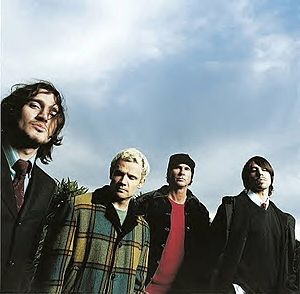
As a result By the Way is an album where the Peppers are reflective of their age and where two of them in particular are catching up to the craziness of their lives. In other words, it’s a mature album - in the genuine sense rather than as a lazy shorthand for the energy dropping down. Even the band photos inside are somber and melancholy, a far cry from the wild and colourful rock & roll craziness of the past. It’s a personal and emotionally open album - not their first of such kind as One Hot Minute made it there first, but where that album was aggressive and confrontational By the Way takes a more toned down and ultimately hopeful tone. It’s not a sad album full of middle-age melancholy despite the photos, but a lush and often quite beautiful one that’s full of world-worn positivity. It’s an album lead by two people who went through hell, survived and now reflect back on it while resting under the sun at last.

None of that means it’s an album full of ballads. Not only do the more melodic pieces vary greatly in tone and tempo, but there’s a decent number of more muscular cuts thrown throughout the tracklist. Some actively remind you of the past works to show they’re still the same band (the sudden funk rock attack “Can’t Stop”, jam-esque “Throw Away Your Television”, the Californication evolution “By the Way”), while others incorporate the new mood into the familiar rock aesthetics (the atmospheric hidden gem “This Is the Place”, the dark and brooding “Don’t Forget Me"). It’s as varied an album as anything the band have ever released, even if the percentage of midtempo cuts is higher this time - but they all sound distinctly different, and in all honesty they set up the standard this band should attempt to match with their other slower cuts. On the flipside, it’s also as overlong as anything the band have released since the 80s and comes with the usual filler caveat. The sixteen-strong tracklist could have been reduced by some for a better album, namely the overrunning novelty country shuffle (!!!) “Cabron” and the happy-go-lucky but somewhat throwaway ska-pop “On Mercury”, both of which seem like they were thrown in to lighten the mood when it wasn’t actually needed at all.

But it’s those mid-tempo tracks and the melodic emphasis where the real grandeur lies. John Frusciante was honestly a genius at this point, riding his imperial phase wave high and mighty as he glimmered with inspiration. By the Way is a genuinely gorgeous and beautiful album, which even now feels odd to say about a Red Hot Chili Peppers album but the evidence is right there. The approximately five million layered guitar melodies frolicing and dancing around in “Dosed”, the ethereal keyboards of “Warm Tape”, the sunset finale of “Minor Thing” or the majestic strings of “Midnight” - they’re all discography highlights when it comes to being honestly straight-up lovely and gorgeous, and just as well as songs in itself. Even the musically slightly weaker cuts like “Tear” or “I Could Die for You” are lifted up to something special as soon as Frusciante decides to step into the spotlight with his guitar, his keyboard arrangements and especially his vocals backing up Kiedis’ surprisingly suave voice. “Tear” even gives Flea his minor special contribution with a charming little trumpet solo that gives it that little something extra. “Venice Queen” at the end is the victory lap: half atmospheric and dreamy, half wild and energetic like a sudden wake-up call, building into a towering anthem of remembrance and celebration as the band and Kiedis in particular, in what is possibly his most invested vocal performance, bids farewell to Kiedis’ close friend who left this earthly realm before the album sessions. It’s easily among the band’s very best songs, and it sounds like it was the most effortlessly composed thing they ever did.

The same applies for most of the album. The band is clearly playing against their presumed type, but they go about it effortlessly and successfully. There is the obvious caveat that if it’s the energetic bouncers and funky basslines that you want and expect from a Peppers album, this isn’t it. By the Way is barely even a rock album and the funky monks are equally elsewhere. When the album was released this caused so much drift among fans, including some incredibly divisive opinion splits between my friends and myself back when we loved everything the Peppers had ever released to that point. But age has done nothing if not improve the album and point out its strengths. Both Kiedis and Frusciante were on the top of their game in both performance and songwriting and while taking such a creative control was ultimately a bad thing for the band - the rifts between Flea and Frusciante healed but never seemed to vanish entirely - it resulted in the most beautiful and sublime album they’ve released. It’s a different side to a band that’s often seemed one-dimensional to non-fans and downright revelatory in some ways. Above all else though, it’s a discography quirk that is in fact one of the best things under their name.

Rating: 9/10

16 Dec 2019

Bright Eyes - A Christmas Album (2002)


1) Away in a Manger; 2) Blue Christmas; 3) Oh Little Town of Bethlehem; 4) God Rest Ye Merry Gentlemen; 5) The First Noël; 6) Little Drummer Boy; 7) White Christmas; 8) Silent Night; 9) Silver Bells; 10) Have Yourself a Merry Little Christmas; 11) The Night Before Christmas

The Christmas record for anyone who lost their presents and who are now drinking mulled wine all by themselves in their cold apartment.


Key tracks: "Blue Christmas", "Have Yourself a Merry Little Christmas" / "The Night Before Christmas"

A lot of people seem to regard this as the world's most depressing Christmas album, or something along those lines; one of my friends memorably described the version of "Little Drummer Boy" as the only Christmas song that's made him want to slit his wrists. But I don't think that's quite the right take for this. No one who wants to make something genuinely sad decides that the best way to go about it is a Christmas album, especially wholly one made out of seasonal classics. Playing festive tunes in minor scales and downbeat tempos isn't something you do just for the sake it it, it's a conscious twisting of the familiar melodies. It might just be my skewed understanding of what sad is (thanks, years of emo white guys with guitars in my CD player) but mopey as it may be, the Bright Eyes Christmas album is hilarious in its wallowing. It sounds like Oberst taking his reputation as a depressing singer/songwriter and deciding to have a laugh with it, by creating a Christmas album so over-the-top in its moodiness it's borderline comedic. I don't know the true story behind the album's creation, but given he included a self-ridiculing fake interview just a few albums back, being a little cheeky about his own sound is par on course by now.

Besides, the sadsack Christmas tunes are only one facet of A Christmas Album. There's a decent amount of variety across the songs here: the electronically buzzing version of "Little Drummer Boy" sounds like a sneak preview of Digital Ash in a Digital Urn, "God Rest Ye Merry Gentlemen" stomps like an angry reindeer, "Blue Christmas" has a lithe country twang to it, "Silver Bells" is a Sufjan Stevens Christmas song before those became a thing. Oberst is also far from the only singer on the album and on some tracks he doesn't say a word, his friends getting the spotlight - unfortunately the album's credits are very vague in terms of direct crediting, but many of the women assisting Oberst with the vocal duties across the album have gentle warm voices, perfect for the ideal cosy Christmas evening. When Oberst and his friends do jump into the black Christmas tree territory, it's pretty good in all honesty. "Silent Night", "The First Noel", "Away in a Manger", etc all work really well with a frown on their face, and as established before, are actually rather entertaining in their melodrama.


It's hard to understand how these could be considered genuinely sad but if you don't find the tongue in the cheek here, there's really little here to savour completely on musical terms alone. It is after all just a brief set of old school evergreens: no matter what you do with them, you're never going to get anything you haven't really heard before. There's no left-field deep cuts or any Bright Eyes originals either, as enticing as an idea of a true Oberst Christmas carol sounds like. That said, the version of "Blue Christmas" is now a mainstay in my Christmas mixtapes because it nails the recipe while having a really solid performance and arrangement behind it: its hint of the blues is present but not without going too far, reaching for that gentle wistfulness that a lot of really good Christmas songs have going on for them. The biggest surprise though, and my actual favourite part of the record, lies right at the end. The stark piano-and-cello version of "Have Yourself a Merry Little Christmas" is honestly beautiful on its own, but it then segues into an orchestrally flaired, comfortingly narrated reading of "The Night Before Christmas". It closes the record in a beautiful and unexpected manner, and it manages to conjure a little magic in as it captures that very special Christmas feeling completely genuinely: it's the Hollywood camera pan-out from Oberst's moody den to the pristinely white winter wonderland outside, snow gently falling to the ground, as the credits roll in.

I get why this can be so divisive, but the whole concept of "early-period Bright Eyes doing a Christmas album" should be a dead giveaway of what's in store, and taking it at face value misses the target entirely. If you're like me and you love both Christmas as well as mopey emo singer/songwriters, this is a delight - it's also a great contrast to so many other indie Christmas albums, which ensures that this gets wheeled out every year (much to the misery of the people I've lived with), especially during the days when all you get is another downpour of rain instead of snow. Plus, it's funny... or I'm just really disjointed myself, either or.

Rating: 7/10

28 Aug 2019

Moby - 18 (2002)


 1) We Are All Made of Stars; 2) In This World; 3) In My Heart; 4) Great Escape; 5) Signs of Love; 6) One of These Mornings; 7) Another Woman; 8) Fireworks; 9) Extreme Ways; 10) Jam for the Ladies; 11) Sunday (The Day Before My Birthday); 12) 18; 13) Sleep Alone; 14) At Least We Tried; 15) Harbour: 16) Look Back In; 17) The Rafters; 18) I’m Not Worried at All

Part an attempt to follow up on a hit, part an attempt to deal with tragedy. A confused but often beautiful collection of songs.


Key tracks: "Signs of Love", "Extreme Ways", "Harbour"

Most of Moby’s albums tend to follow one big musical concept or another, often explicitly stated in the liner notes that accompany each release. 18 is the outlier: despite being seemingly obvious about its angle at first glance, it’s a little bit more complicated and unclear than that.

The preceding album Play had hit it big, way bigger than anyone anticipated, and suddenly Moby had been thrusted into worldwide super stardom with countless new fans and casual appreciators. 18 should have been an easy victory lap. Instead, this was something the formerly eager genre-flipper Moby struggled to deal with. There were expectations now - both from the audience and the label - and he was a global superstar now. Moby mentions in the liner notes that he wrote over 80 songs for the album which is either a premium humblebrag or a sign of artistic desperation, writing things over and over while trying to figure out just how to respond to the sudden demand. In its core, it’s audible that 18 started out as a response to his sudden, hit-making reputation.

Then 9/11 happened. Moby was a proud New Yorker at the time and the incident hit uncomfortably close to home. He explicitly mentions the event in the liner notes and while it’s never referenced directly within the album itself, its shadow looms all over the album. Moby needed to write a big hit follow-up but he was still processing the tragedy and coping with the confusion and numbness of the aftermath. This inevitably ended up leaving its print on the subsequent writing sessions, with Moby now not only having to write for a new audience but trying to do it under a drastically different mindset.
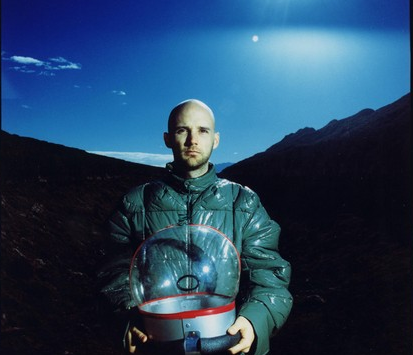
image

This uncertainty turns 18 into a curious collection of music. It openly wants to be embraced, and unsurprisingly its overall sound is reminiscent of Play, with the same bittersweet, soulful grooves and string-laden melodies dominating the production, and it’s clearly been intended as a direct follow-up. It even follows a similar set of songs, from the structure of a hook-driven first half and a more mellow second half to even direct song counterparts: most obviously “Porcelain” and “Signs of Love” as the whispering ballads, “Bodyrock” and “Jam for the Ladies” as the party cuts and “My Weakness” and “I’m Not Worried at All” as the hymnal closers, with the new songs not really copying the old tracks but clearly carrying the same intent and placement as their original counterparts. Elsewhere Moby tries to reflect his new superstar status by turning over for a more rock-driven approach with “We Are All Made of Stars” and “Extreme Ways” (and to a lesser extent, “Harbour”), which bring the man himself into the spotlight more confidently than ever. They’re trendily produced and radio-ready, clear attempts to break Moby through from being just a guy behind a DJ deck into a legitimate frontman and a more obvious songwriter for a potential crossover audience.

Yet, it’s all filtered through that post-9/11 melancholy. The heart of 18 is an aching one and it rarely allows itself to smile with certainty. Where there is an energetic beat there’s undoubtedly also a beautiful, sad melody laid on top of it and as the album gets further, energetic distractions like “In My Heart” and “Jam for the Ladies” become exceedingly rare as the sad, mid-tempo atmospherics take over. “Extreme Ways” may be an attempt at a rock anthem but it’s resigned and weary, Moby desperately gasping out “then we fell apart” in its chorus and sounding completely detached and cold elsewhere. Moby’s attempt to find some meaning in tragedy breaks through any crack it can find within the songs, turning what sounds initially like another big hit follow-up into a strangely wistful set of songs.

All that leaves 18 a little confused itself and in fact, that’s become the album’s signature trait. No matter how you mix the tracks together or switch the way you view them, the songs on 18 just do not really gel together smartly. They’re too all over the place, trying to say a load of different things and uncertain of what to focus on. And there’s just too much of it - Moby’s never been much of an editor but at over 70 minutes long and spanning across 18 songs, the sheer amount of songs doesn’t help 18’s case. The thing is, the melancholy side of 18 is actually a really strong one, musically. The moodier second half is where the album really shines: the title track, “At Least We Tried”, “Harbour” (featuring the ever-powerful Sinead O’Connor) and “I’m Not Worried at All” are all superb, all wonderfully haunting, beautiful and almost tearjerkingly wistful. Add in a number of the stronger songs from the first half (“Signs of Love” and “Extreme Ways” in particular - the latter genuinely is a great song, partially because of its sheer melancholy) and you’d actually have a potentially incredible album of ache, loss and finding the light. As it is, that’s not what we really have, and I’m not really sure how exactly to define what we do have.

Rating: 7/10

27 May 2019

Kemopetrol - Everything’s Fine (2002)


1) Goodbye; 2) Saw It on TV; 3) For Nothing; 4) Shine; 5) Everything that Surrounds Us; 6) Windmills; 7) Hypno Eyes; 8) Forest for the Trees; 9) Everything Under Control; 10) Everything’s Fine

The move from the debut's freshness towards slicker and more radio-friendly waters begins.


Key tracks: "Goodbye", "Windmills", "Everything Under Control"

Not to be too melodramatic about it but it’s Kemopetrol’s second album and it’s the end of them as they were. The start of something different as well, though.

Slowed Down, the band’s debut, sounded a little out of sync with everything else that was going on in Finland at the time. The general mainstream state was that of flux: the millennial shift times were characterised by the Finnish indie rock scene starting to find its feet underground, while the radio play belonged to groups trying their hands at adapting American and British mainstream approaches for a Finnish taste. Kemopetrol’s chilled out, daydreaming bedroom indie pop was something completely different. But the Finnish mainstream has a habit of adopting outsiders with a very open mind: primary examples include the mainstreamification of metal to the point of making Christmas and children’s versions of it, and how the country managed to turn the combination of reggae and Finnish folk music into a legitimate commercial trend. So Slowed Down became a hit and slowly started shaping the scene sound in its own way. And that’s where we come to Everything’s Fine, the second album.

It’s either a case of the mainstream adapting to Kemopetrol pretty heavily or Kemopetrol deciding to go on a more commercial route, but there’s a definite transitional transformation going on with the band’s second album. It’s slick, punchy and polished – the homely musicians have suddenly turned into radio superstars. This happened without warning: normally a development like this would take a couple of albums and a few careful toe-dips in the water before fully diving in, but as soon as the sharp, slick futuro-disco of “Goodbye” reveals itself it’s clear the band have gone through a reinvention. They’re shiny, painfully cool and painfully hip with the times. They’ve lost some of their original charm and have started on the road they’d walk for the next few albums (ie most of their active duration) as relative mainstream darlings.
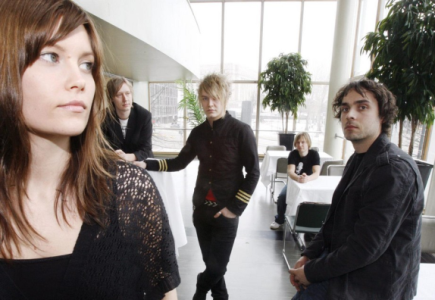
image

Not inherently bad when you’ve got the songs to back it up, which Kemopetrol do. In addition, Everything’s Fine is a little bit of a transitional effort even if at first it seems like it’s loaded with just the suave hits. All the singles are loaded right up the front: the pounding “Goodbye”, the glitzy “Saw It on TV” that might as well be Finnish pop/rock of the early 00s in a nutshell, the name-appropriate “Shine” and the lightly rocking “For Nothing” (which wasn’t a single per se but still got some air play). They’re all fine tunes for most parts: “Goodbye” in particular is pretty excellent despite its anaemic and thoroughly pointless guitar solo. But once the initial hit wave has gone Everything’s Fine reveals its best parts by showing some different sides. “Everything that Surrounds Us”, “Everything’s Fine” and “Forest for the Trees” are all minimal piano driven pieces but each one approaches the formula differently: “Everything that Surrounds Us” swivels around intimately, the title track is a late night mood piece and “Forest for the Trees” adds a little beat to the backbone and is a surprisingly affective song despite being a glaringly simple and straightforward mid-tempo rocker. “Hypno Eyes” brings a sudden bit of tight groove into the mix, being led by a hypnotically thumping rhythm in some dark disco somewhere.

The most inspired are the last remaining tracks. “Everything Under Control” is bombastic and dramatic, almost aggressive - and in a fashion that suits the band better than the debut’s sudden forays into hard rock riffs. Instead, the song is driven by a simple piano melody, a swivelling accordion and a hoover (!) and it grows into colossal heights you would’ve never suspected from such a band who normally tends to stay grounded. “Windmills” is even better. The accordion is back, this time floating weightlessly around the airy production, and it meets with a dreamy chorus and Charlie’s Angels melodies, mixing into a daydream of a pop song. It also feels like the closest tie to the atmosphere set by Slowed Down (make of that what you will).

The sequencing is so that Everything’s Fine is a little bit of an album of two (almost) halves. The first half re-introduces Kemopetrol as a genuine mainstream force, then the second half applies the same production tricks to a group of songs more reminiscent of the first album. First re-invention, then natural evolution. If you want to be cruel about it, this is somewhat the end of Kemopetrol at their most original as the subsequent albums would see the band walking well-worn paths after others. At this stage though they still had enough of their own to lead rather than follow. Everything’s Fine is definitely not as timeless as Slowed Down but it still plays out strong, in particular during the second half that has aged very gracefully. It’s a little sad it doesn’t quite follow in the debut’s steps, especially since whenever it does it’s at its best, but time has definitely showed this to be a better follow-up than initially thought. Kemopetrol wouldn’t be the same band they were on the debut ever again, but here they’re still playing up to their strengths.

Rating: 7/10

10 May 2019

The Flaming Lips - Yoshimi Battles the Pink Robots (2002)


1) Fight Test; 2) One More Robot/Sympathy 3000-21; 3) Yoshimi Battles the Pink Robots, pt. 1; 4) Yoshimi Battles the Pink Robots, pt. 2; 5) In the Morning of the Magicians; 6) Ego Tripping at the Gates of Hell; 7) Are You a Hypnotist??; 8) It’s Summertime; 9) Do You Realize??; 10) All We Have Is Now; 11) Approaching Pavonis Mons by Balloon (Utopia Planitia)

Big ol' maximalist technicolour party about the frailty of life. Definitely among the 'safer' Flaming Lips albums, but it's honestly only good for the music involved.


As interesting as it is to observe their strange adventures, The Flaming Lips haven’t won me over. The stoned-out indie rock shenanigans of their early albums were rich in personality but listening to them comes with the same feeling that you get when a group of people in your company are laughing at an inside joke you don't know. Meanwhile, in their later years they seem to have take it upon themselves to be as weird as possible in a most self-consciously try-hard way possible. Their songs became 24 hours long and their release formats went from USB sticks inside gummi skulls to real skulls, but does anyone actually remember any of the music that was stored inside the gimmicks? In both cases, the music seems to play second fiddle to the aesthetics and not in a way strong enough to hit me.
But then there’s that curious phase in-between. The one where the band out of the blue reinvented themselves as a bizarre reimagining of a pop band, looking at the world in a whole different way than the rest of us yet who were capable to reach the heart of every single living soul - including my critical heart. The appearance of the now iconic animal costumes, zorb balls, confetti and space crafts. The music is both world-weary and out of this world, a celebration of life in all its uniqueness and expressing it through keyboard-heavy singalong melodies. 
Despite its whimsical title and bright pink visuals, Yoshimi Battles the Pink Robots is a very melancholy album. It’s riddled with existential questions, often makes a note about how insignificant we are in this universe and it’s downright obsessed with mortality. Even something as innocuous as the (almost) title track about a girl fighting robots has layers of this if you go along with the story that it was inspired by a fan’s battle with cancer, with the robots representing the cancer cells the protagonist fights against and takes vitamins for; this is, in fact, further supported by the stage musical inspired by the album, which takes this angle and goes with it completely. Or take the inarguable centrepiece of the album, “Do You Realize??” - an anthem the size of a small galaxy about how you will one day pass away and the rest of the world will move on. 
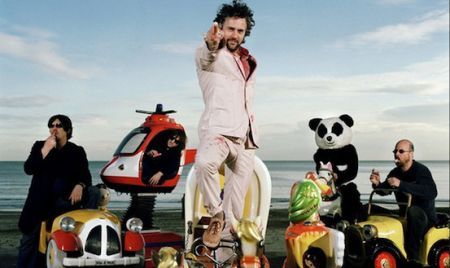
image

But it doesn’t sound like that, and that’s what makes the album special. When the song bursts in angelic choirs, it becomes the most beautiful thing in the world and makes a point to note that while you will depart eventually, the rest of this beautiful life won’t be going anywhere. It’s like the light at the end of the tunnel envelops everything and makes you realise just how precious it is. It’s both melancholy yet incredibly uplifting, soothing and awestruck. It’s a whopper of a song - one of the all-time greats, even - but it’s not the only one of its like on Yoshimi and that’s what really makes the album a little special. The magic of the music on Yoshimi lies in its sense of the fantastic, a never-dimming wonder of everything around. The big ambient waves, space-age synthesizer melodies, Wayne Coyne’s otherworldly yet soft singing and the constant harmonising behind his lead vocals come together to create a sounder larger than life, totally amazed by everything yet so concerned about how it will all end. To call the album melancholy, or even bittersweet, sells it short - it’s a beautiful, soothing album of wide-eyed wonder and bliss. And while “Do You Realize??” exemplifies that the best, that bliss and magic also extends over to the other songs – “Fight Test”, “In the Morning of the Magicians” and “Are You a Hypnotist” in particular immerse themselves in that same enchantment to often breath-taking results. 


It’s a shame about the two instrumentals because without them, this would be a near-perfect record. “Approaching Pavonis Mons by Balloon” is fairly boring and closes the album with an ill-fittingly dull thud of an ending while “Yoshimi Battles the Pink Robots pt. 2” is a pointless mess of cacophonic screaming and crashing cymbals with no real value, which is generally ill-fitting to the album as a whole and sounds especially lacklustre compared to the excitingly quirky first part. Both of them commit the error of pulling the listener away from the surreal and lovely world the album weaves around itself, and when the album sells itself with the charm of that world any disturbances fall even more flat than they possibly should. 

But that shouldn’t let you condemn the album too much. It is still a gorgeous listen, and a curious one at the same time: it’s one where the often tricky Flaming Lips abandoned their almost gimmick-like experimental/surrealist (call it however you like) tones and suddenly gained a sense of clarity. It’s almost like a religious awakening, suddenly finding yourself asking the big “why?” after years of wilderness and crazy benders. Only in The Flaming Lips’ case that clarity came in form of a bold pop album: existentialist for sure, but universal in its reach and intergalactic in its scope. 

Rating: 8/10

1 May 2019

David Bowie - Best of Bowie (2002)

Image result for best of bowie


CD1: 1) Space Oddity; 2) The Man Who Sold the World; 3) Oh! You Pretty Things; 4) Changes; 5) Life on Mars?; 6) Starman; 7) Ziggy Stardust; 8) Suffragette City; 9) John, I’m Only Dancing; 10) The Jean Genie; 11) Drive-In Saturday; 12) Sorrow; 13) Diamond Dogs; 14) Rebel Rebel; 15) Young Americans; 16) Fame; 17) Golden Years; 18) TVC 15; 19) Wild Is the Wind
CD2: 1) Sound and Vision; 2) “Heroes”; 3) Boys Keep Swinging; 4) Under Pressure (with Queen); 5) Ashes to Ashes; 6) Fashion; 7) Scary Monsters (And Super Creeps); 8) Let’s Dance; 9) China Girl; 10) Modern Love; 11) Blue Jean; 12) This Is Not America (with Pat Methany Group); 13) Loving the Alien; 14) Dancing in the Street (with Mick Jagger); 15) Absolute Beginners; 16) Jump They Say; 17) Hallo Spaceboy (Pet Shop Boys Remix); 18) Little Wonder; 19) I’m Afraid of Americans (V1 Remix); 20) Slow Burn

Rating: 8/10

About as good a job as you can do with an attempt to shrink an iconic discography into a compact collection.


Key tracks: Are you really expecting me to single out individual songs on something like this? 

Allow me this chance to talk about David Bowie in general whilst ostensibly reviewing a career retrospective.
Most classic rock stars do nothing to me. The vast majority of 70s rock music sounds technologically badly dated and otherwise, well, bland to me and all these legendary acts that people always mention as musical idols – your Dylans, your Zeppelins, your Stones, et al – at best make for mediocre background music and at worst plain irritate me. But I feel differently about Bowie, and quite frankly it feels wrong to even group Bowie alongside his peers. Where the others stagnated or died off after the supposed golden era, becoming dinosaurs endlessly stuck repeating their glory days like a pub cover band, Bowie kept going to new directions. He adapted, he evolved and he experimented, and he thrived in doing so – you can find amazing things in each of Bowie’s decades and each upcoming album always had the potential to be worthy of canonising. If his old fans felt his new sounds weren’t much cop, Bowie shrugged and moved on, continuing to do whatever he was in the mood for.
The oft-used descriptor of him was that he was a chameleon but really, he was just himself – fearlessly doing exactly what he wanted. Sometimes it sounded like the ongoing trends and sometimes it was out of this world, but it was always completely, absolutely Bowie. Everybody loves focusing on the seventies works and that’s alright, even if not quite fair – there’s a lot of wonderful material to be found in the glam alien years when the man genderbent the entire genre and looked as out of the world as his music purported to be, but it feels criminal to just simply stop there. In the 80s he decided to utilise his talents for a full-on pop approach and created a number of legendary tunes which finally had the chart success to match the man’s talent. In the 90s he took the day’s sounds and moulded them into his own tools: he flirted with drum and bass, industrial rock and hip-hop beats and made them sound like he had invented them all along. In the new millennium he accepted his position as an elder statesman of rock, producing a number of solidly suave rock albums dealing with age and mortality. Each era had its own kind of Bowie and none of them tower over another. It’s the kind of consistent fearlessness that’s downright enviable.
For that I have a humongous respect for Bowie. It was always about the music first and foremost and creating something new, and instead of becoming just a nostalgia recycling machine like his original peers, he kept finding new peers. That’s something I personally put a great value on in an artist. And yet, I’ve never actually become much of a true fan, conflicting as that may seem. Bowie had the gift of creating immortal music: songs that shined bright and loud and touched your soul and heart, ones that would easily rise up high to reach a classic status in a heartbeat. He also kept consistently pushing them out throughout his career right to the very last years and had his whole discography been filled with that same high quality, we’d be talking about potentially the greatest discography in music. But frustratingly Bowie’s albums rarely kept their consistency. You could always count on most of his albums featuring a handful of brilliance scattered throughout their running time but you can count the albums that are excellent throughout with one hand. Bowie, as great as he was, was also rather scattershot and for every golden classic you’d have a couple of good ideas left half-baked and the occasional complete dud here and there. Bowie was a heavily conceptual artist and as great as that is, sometimes that concept came before the actual songs.
image
This is probably a sacrilege then, but in my opinion Bowie is the kind of artist who suits a compilation perfectly. When you have to deal with inconsistency the overall experience becomes underwhelming: line up all those immortal moments in a row however and suddenly you have a stunning journey through time and music waiting ahead of you. Best of Bowie has actually become my go-to Bowie album. That it spans nearly a little over three decades and the quality never drops is a testament to Bowie’s strengths, and its downsides are largely individual quibbles you always get with big career-spanning compilations. The balancing act between all the different eras is always a delicate job and everyone has their own ideas on which years to emphasise over the cost of others: I’d have personally removed some of the lesser 70s tracks (”Sorrow”, really?) in order to shed more light to the underrated 90s, and it would have been nice to have “Thursday’s Child” here so the token great bit of the otherwise dull Hours could be enjoyed more comfortably. The unfortunate necessity of including radio edits has a slightly damaging effect on some songs, especially “Heroes” which really deserves its glorious six minutes instead of the three and a half it has here.
The other great thing about Best of Bowie is that is also brings together a number songs of his you can’t find on any of his albums normally. Any Bowie best of retrospective requires the likes of “Absolute Beginners” or “Under Pressure”: the former is one of his very, very greatest pieces of work - firmly in his top three greatest songs in fact - while the latter, while more a Queen cut than a Bowie one, is an immortalised meeting of giants that seems to get even greater every time you come back to it, which is rare for such an ubiquitous song. You’ve also got the Pet Shop Boys remix of “Hallo Spaceboy” which is vastly superior to the album cut, similarly but not as powerfully remixed "I’m Afraid of Americans”, the sublimely enchanting moodpiece “This Is Not America” and, to a slightly lesser extent, the quirky 70s single “John, I’m Only Dancing”. On the flipside though, the inclusion of all these non-album cuts also means that “Dancing in the Street” is included here, even though no one wanted to hear it again in the first place due to being so atrocious that you can only really enjoy it once you remove the sound. It’s the compilation’s only actual blemish and a sad reminder that not everything that Bowie touched was gold.
It’s not like it’s a perfect compilation, don’t let my gushing make you think otherwise: not everything is a four or five star song, and in particular the first disc has a couple of cuts that feel like they got lost in the wrong crowd. But it’s hard not to gush over a 39-song compilation which frequently sweeps you off your feet, from the opening dramatic sci-fi operatics of “Space Oddity” to the chillingly gorgeous “Slow Burn” that closes the long journey like a cinematic curtain call. The tracklist runs through countless styles, sounds and productions and yet nearly everything sounds like a winner right from the first-go. Bowie was a special kind of talent who could take any form and still produce songs with a spark of something special and if there’s a monument that celebrates it, it’s not any of his studio albums but any compilation that spans through his career. Best of Bowie isn’t the ultimate example of this anymore, not after the 3-disc Everything Has Changed was released, but it does the job pretty marvellously nonetheless. As far as artist retrospectives go, this is one of the most essential ones.