16 Jul 2019

Radiohead - Pablo Honey (1993)


1) You; 2) Creep; 3) How Do You?; 4) Stop Whispering; 5) Thinking About You; 6) Anyone Can Play Guitar; 7) Ripcord; 8) Vegetable; 9) Prove Yourself; 10) I Can’t; 11) Lurgee; 12) Blow Out

I want to say this is underrated given the automatic dismissal it always receives, but if you stop thinking of this as a Radiohead Moment and just as a slice of 90s emo rock, you're all set for a reasonably enjoyable if unoriginal experience.


Key tracks: "You", "Creep", "Stop Whispering"

Honestly, this isn’t as bad as people say. But then that's probably not surprising.

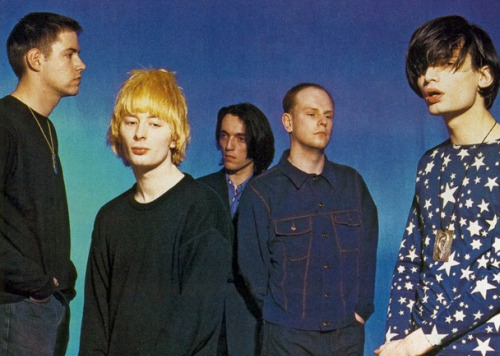
Given Radiohead’s stylistic evolution and the band’s legacy since, Pablo Honey has long ago stopped being just a slightly underdone debut album. Radiohead were most definitely not a band who arrived fully formed into the world and the clash between their early days and their most famous works is so jarring that Pablo Honey has undergone a cultural transformation. Its name has become the catch-all reference for debut albums that bear no resemblance to the artist's later works, used as a comparison point for any beginnings considered to be either a forgettable throwaway or downright bad (and just to confess, I’ve been guilty of that as well - I’m trying to stop, honest!). These days you tend to just assume Pablo Honey is not a good album. The continuing cultural relevance of “Creep” probably doesn’t help - that the band who have become a sacred cow for so many people is only known in public for a somewhat unintentionally cheesy, extremely 90s angst anthem to end all angst anthemsis arguably a thorn in the side that gets a lot of people a little annoyed.

It shouldn't be too much of a shock then that Pablo Honey is not actually the worst thing ever, but it might be a minor revelation how it's much more competent than expected. Fair enough, it’s hardly as interesting to listen to as the later albums, none of the band members have developed their trademark styles and the musical influences are so openly on display it leans close to being a tribute. You also can’t shake the feeling how much Pablo Honey sounds like a typical 90s example of a one-hit wonder album, the kind that gets relegated to countless discount bins and car boot sales after a single big song: "Creep" simply has such an overwhelming presence over it. But still, none of that makes it a bad listen and in fact, it’s actually close to being rather good. There’s a lot of truth in the common argument that the band didn't exactly have the most inspired sound here and the cheap production certainly doesn't do it any favours, but it’s obvious that even at this stage they had a clue about what makes a good song. “Creep” may be a little worn out but it’s a perfect example of this, with its lingering guitar riff, effectively built quiet/loud mechanics, the delicate addition of a piano to guide the song to its end and the incredibly effective ear worm of a hook that is the famous guitar crunch - all very big, important dynamic moments. There are a lot more similar moments of inspiration scattered throughout the album and plenty of surprisingly strong melodic work slyly hiding underneath. “You”, the opener, in particular is a genuinely great song full of power and volume, straddling between Pixies and Jeff Buckley and its placement as the start of the album is a crucial one - it strips you from all the preconceptions you might go into the album with by greeting you with a genuine keeper.
image

Just to clarify - it’s not that Pablo Honey is a great album either, per se. Every single flaw listed above between the lines is still valid - its production is pretty dire, the music is derivative, and the whole deal is a bit rough around the edges and unrefined. “Anyone Can Play Guitar” is more unintentionally amusing than legitimately good and there’s a few more obvious duds like “Prove Yourself” where the songs just aren’t up to scratch. But it still manages to shine a little regardless. It’s a scattering of good melodies, great rock parts and memorable Yorke-isms, thrown a little all over the place but frequently enough to keep the ride steady. The only genuine stand-out songs are limited to “You” and “Creep” admittedly, with the atmospheric closer “Blow Out” and bizarrely U2-esque “Stop Whispering” getting a honourable mention, but the majority of the rest of the lot is still captivating. Yorke and the gang already come across convincingly and they have the charisma to sell the songs, turning an otherwise fairly rote set of anxiety rock into a reasonably engaging experience. You can’t really overstate the effect Yorke’s voice plays on this, the young tone already hinting at what is one of the most strangely commanding voices of his generation.

The nutshell summary of it all then is that Pablo Honey is actually a pretty decent album in itself. Radiohead went onto have such a great and fascinating career that they ended up completely undermining where they started from in the process, but that’s not really Pablo Honey’s fault. While it’s pretty obviously the weakest part of Radiohead’s discography, it’s got more charm to it than it’s commonly given credit for - to the point in fact that if they had decided to make a life out of going further along this path, they still probably would have turned out to be a great band, just a very different one. It's the blatantly awkward first steps and a reminder that you shouldn't always start chronologically when checking out interesting artists, but it's got enough to give credit for it that even a 6/10 review ends up sounding positively glowing.


Rating: 6/10

14 Jul 2019

Prologue - Stars Are Holes in the Sky EP (2005)


1) Serpentine; 2) Stars Are Holes in the Sky; 3) My Appletree; 4) Lines of Mouth; 5) Is It People?

A sweet and short melanchly pop EP that may have been a minor note in the Finnish music history, but strong enough to still leave a lasting impression for those who did hear it.


Key tracks: "Serpentine", "Stars Are Holes in the Sky"

For a short moment Prologue felt like the start of something great. The Finnish four-piece released their debut EP Stars Are Holes in the Sky in the mid-00s, and it turned out to be their final EP as well. Apart from a one-off download single Prologue weren't heard from afterwards and they became another yet another band with an expired home page and an abandoned Myspace profile. It's the sorry side of the great gold rush boom of the 00s when aspiring musicians realised that the internet was an incredible opportunity to find an audience: so much aspiring young talent putting their creativity out there, but now completely forgotten apart from the random few who happened to notice them at the right blink of time.

Had the stars aligned slightly more favourably, Prologue would definitely have had a chance to go somewhere further. Primarily, they had the title track of this EP - a gorgeous and melodically lush little gem characterised by an elegant piano riff, shimmering guitar that accompanies its notes and an effortlessly pretty and elegant chorus. It could have been a hit in the real, post-Parachutes world that was hungry for more Brit-styled piano moodiness, and comfortably slots alongside any of the landmark songs from more establishes names, even from a production point (there's a pretty strong mid-00s time stamp on this, which can either date it or act as a nostalgia device depending how you swing). 


While it shines the brightest, the rest of the EP is more than adequate company for it and Prologue know how to write a perfectly pretty, atmospheric tune. "Serpentine" and "Lines of Mouth" in particular stand out: they're all about aching piano melodies, emotive falsetto vocals and melancholy guitars in a way that may not be particularly original, but Prologue know absolutely how to utilise them - "Serpentine" in particular is a gorgeous song. "My Appletree" leans a little heavy on the twee side but it's the perkiest song of the lot, and shows that Prologue can be more than just slow jams for the romantically miserable. "Is It People?" at the end is a little bit of a retread of everything that came before and while it closes off the EP fine, it's the least memorable of the lot: it's more of the same, but with weaker central melodies.

While not the most original lot of songs, they've stood the test of time: certainly more than the obviously home-produced CD I own where the disc label is now in the danger of peeling off. Perhaps Prologue could have evolved into something of their own with time: the aforementioned one-off single "Ghost Writing" hinted at a more dynamic, anthemic direction, and that song too has had considerable staying power and still has a rush of excitement to it (even through the LQ MP3 I have). And yet, it still feels like a criminally overlooked little hidden gem from the extremely fertile mid-00s years of Finnish independent music, and the title song in particular. Perhaps it's my own personal attachment to the EP colouring my perception - I'm not sure if this marked the actual first time I bought a release directly from a completely new, unestablished atc via the internet, but it certainly was among the earliest times. By now it feels like an old friend and it strikes me as a little sad that I might be the only one who remembers it that way. Still, even as I try to peel off my personal biases, I can't help but think that there's plenty of strengths here to perhaps have found a larger audience in another timeline - one where "Stars Are Holes in the Sky" is a deserved classic song beyond just my record shelf.


Rating: 8/10

10 Jul 2019

Perfume - Cosmic Explorer (2016)


1) Navigate; 2) Cosmic Explorer; 3) Miracle Worker; 4) Next Stage with You; 5) Story; 6) Flash (Album Mix); 7) Sweet Refrain (Album Mix); 8) Baby Face; 9) Tokikemi Lights (Album Mix); 10) Star Train (Album Mix); 11) Relax in the City; 12) Pick Me Up; 13) Cling Cling (Album Mix); 14) Hold Your Hand

Nakata is inspired again, the girls are more in front and center, the tunes are there... dare I say, a return to form?


Key tracks: "Cosmic Explorer", "Next Stage with You", "Pick Me Up"

was exciting enough to break out from its J-pop confinements to reach out people such as myself who aren't all too clued up on the scene, but unfortunately Perfume started to fizzle out as suddenly as they initially stole the attention with their laser-precise choreographies and futuristic sound. Follow-up JPN had its highlights but was overall a safe, predictable and generally complacent follow-up resting on its laurels at the top. By the messy Level3, high-in-demand production wiz Yasutaka Nakata's attention had split between so many projects his inspiration had started to stretch thin, with Perfume seemingly getting assigned the scraps. ⊿ was often as surprising in its arrangements as it was relentless in its danceable melodies; some years later. Perfume were just another J-pop group among many.

I don't know if it was intentional or not, but Cosmic Explorer sure sounds like a course correction - a collective realisation between Nakata and the actual Perfume trio that their collaboration needs revitalising. So, that's what they do. Cosmic Explorer is the first time in a long while where a Perfume album sounds like it has the wild ambition that initially was their signature element, and it absolutely hammers it down. There's an almost boastful boldness to it, an absolute certainty in its own hooks and the sheer productional force wielding them. There's details and songwriting quirks that reveal Nakata's operating in full steam once again, and Cosmic Explorer doesn't take long to establish its strengths. The galaxy-sized "Cosmic Explorer" is Perfume's most explosive opener to date and very much sets the tone, acting as if a proclamation of the group's intent to seize the top spot once again. "Miracle Worker" is a lush bundle of sweetness and dancefloor strength, and by the time "Next Stage With You" comes along one's sold. It takes a certain level of confidence in the strength of a chorus to lead one to a decision to simply omit the verses altogether from their way, bridging them with instrumental passages any other pop producer would call the best bridge they've written in their life; "Next Stage With You" rides it with flying colours. 


Cosmic Explorer doesn't necessarily feature Nakata at his most inventive, but the songs offered flare up with the giddiness and excitement that made Perfume's brand of pop so irresistible to begin with. At its best the highlights stand proudly among Perfume's best, and the gaps in-between are completed with songs that hold up on their own and keep good company for the big star moments. Besides "Miracle Worker" and "Next Stage With You", the  pop brilliance power duo of "Flash" and in particular the frantic "Pick Me Up" follow up as tactically targeted pop sniper shots full of electricity, vigour, relentless beats and killer hooks, blending Nakata's futuristic instincts with the girls' sweet delivery in the way the best Perfume moments do. They're positive attention-hogs, songs that capture attention from the first second and sound like they constantly get more excited about themselves as they go along. They don't quite do the twists and turns some of the older Perfume high caliber hits would normally do, but when straightforwardness is executed so well and with a sound that still jumps out, it's hard to not let the songs charm you.

The production overall shines once more, with even "Baby Face", the now-token cutesy track that normally gets relegated to the filler section, sounding like it has something to say musically. The sound of Cosmic Explorer may not be as forward-thinking as Triangle was, but it's a direct successor to most of its strengths and in one particular aspect it's clearly superior: the increased presence of the girls themselves. Perfume has always been known as Nakata's playground, but over time A-Chan, Kashiyuka and Nocchi have increasingly managed to let their own personalities and presence shine, and the front-and-center singing present on Cosmic Explorer is a far cry from the autotune-covered, almost instrument-like treatment of the vocals of the past. In that sense, Cosmic Explorer feels more fleshed out than the earlier material it compares to the most, and it's why even its slower moments have a little more oomph than in the past. "Star Train" is probably the best ballad Perfume have released, showing a softer side without losing any of the magic their higher-tempo numbers would have; it sounds like a highly engineered torchlight moment intended for fans to embrace in communion, and it sells the notion so well I'm happy to eat it up.

Admittedly there's consistency issues. The album could have been a tighter experience by getting rid of a couple of the less distinct songs buried around the latter half of the album, primarily "Tokimeki Lights" and "Relax in the City", and there's a few clunkers too: the dubstep-inspired "Cling Cling" felt like an unnecessary trend-hop then and already sounds uninspiringly dated, and the monotonous sort-of-instrumental "Story" is a dull production exercise that threatens to kill the initial rush of excitement immediately by having been placed so early in the tracklist. But when Cosmic Explorer gets it right, it gets it really right, and apart from "Story" the actual flow never dies down. Or, to put it in another way: some time back I made a compilation out of the select highlights of JPN and Level 3 because the idea of listening to either album in full felt so uninspiring due to their wild flicker between infrequent highs and forgettably average lows. I've not felt the need to add to this compilation with Cosmic Explorer; it's engaging enough as a whole. a gust of energy and pure pop joy that keeps the fire well lit throughout. Above all, as much as it has rejuvenated Perfume it's also rejuvenated my interest in them. It's not quite a full-on showstopper but it's almost there, and after the last two albums I wasn't sure that was going to happen again.


Rating: 7/10

8 Jul 2019

Conor Oberst - Conor Oberst (2008)


1) Cape Canaveral; 2) Sausalito; 3) Get-Well-Cards; 4) Lenders in the Temple; 5) Danny Callahan; 6) I Don’t Want to Die (In the Hospital); 7) Eagle on a Pole; 8) NYC - Gone, Gone; 9) Moab; 10) Valle Místico (Ruben’s Song); 11) Souled Out!!!; 12) Milk Thistle

Oberst lets his hair down and returns to his americana fancies in his most casual set of songs yet.

  
Key tracks: "Cape Canaveral", "Lenders in the Temple", "Souled Out!!!"

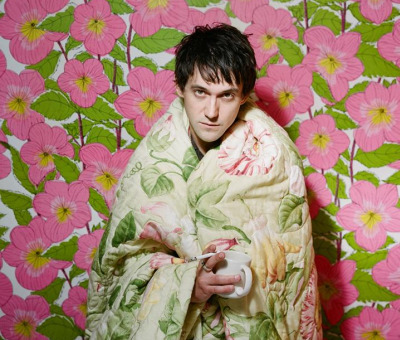
Given this is Oberst’s debut release under his own name (excluding any very early recordings) the big question it needed to answer was how it’s any different to the already primarily Oberst-centric, still pre-hiatus Bright Eyes, and to its credit Oberst’s self-titled does a great job establishing that. You only need to look at the lazily blissed out Oberst on the front cover to get the idea. Releasing music under his own name means Oberst could take a practical holiday from the confessional singer/songwriter route of Bright Eyes, and this album is literally that: a record about Oberst inviting his musician friends over to Mexico and casually laying down songs just for fun, almost accidentally creating an album in the process.

What you have here is the most upbeat record Oberst has ever released. Stylistically he doesn’t stray too far away from his signature sound, with the only real musical difference between this and Bright Eyes being how the weighting between the indie rock core and the ever-increasing americana elements lean more towards the latter. But the Oberst of old would never have found himself smiling this much on an album. There are a few solemn moments reminiscent of what we’re used to from him (“Lenders in the Temple”, “Eagle on a Pole”) but by and far Oberst is kicking back and winding down here, with chilled campfire songs, major chord americana singalongs and even a couple of moments of sheer irreverent fun - the saloon-stomping “I Don’t Want to Die (In the Hospital)” is so out of character it causes whiplashes but you can’t help but chuckle with it. The jovial atmosphere of the sessions comes across very naturally too - this isn’t an album which makes it a point to be positive, it just happens to be so.
image
The casual way of the album coming together also means that Oberst isn’t writing with any major investment, and putting it bluntly the material here isn’t the greatest that he’s come up with. For most part any particularly poignant lyrics or genuinely gripping songs shine with their absence, and even the best songs seem almost accidentally so, their small strengths carried by the infectiously laidback tone that runs throughout the album. “Cape Canaveral” and “Souled Out!!!” in particular are both fairly simple songs but reflect the album’s heart clearly: the former sounds so relaxed it feels like the song Oberst would be strumming in his hammock, while the latter’s lackadaisical band interjections give an impression of everyone having a blast while playing. These two also carry the strongest melodies of the album, but the same theme runs throughout the album - I’m not sure if I’d ever want to urgently hear “Danny Callahan” or “Milk Thistle”, but whenever the former’s on I can’t help but tap my foot in full enthusiasm because of how perky it sounds or zone out to the latter when it closes the album like a peaceful summer sunset. They’re feel-good songs, where any weaknesses in the craft are patched up by the infectious vibe they have.

The actually, technically strongest songs of the album are arguably the more serious ones, even if they feel like intruders in this context. You can tell Oberst is in his comfort zone with them though, and the haunting “Lenders in the Temple” in particular is one of the best songs of this era. And yet they, or any of the other songs, are not even close to the usual Bright Eyes standards, to an initially downright disappointing degree - for a remarkable songwriter, most of these songs are fairly unremarkable additions to the repertoire. But it’s hard to be upset when you hear how wide a grin Oberst has on his face, and his road trip postcard manages to have a surprisingly lasting charm to it beyond just the material’s core strength. It’s a very comfortable, pleasant listen, in the best way of using that word - music that might fade a little in the background, but which sounds good filling the space there.


Rating: 7/10

7 Jul 2019

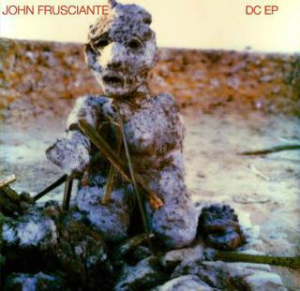
John Frusciante - DC EP (2004)


1) Dissolve; 2) Goals; 3) A Corner; 4) Repeating

Just four enjoyable Frusciante songs. It's nice sure, but lacking in substance.


Key tracks: "Dissolve"

When someone announces they're going to release a record a month for the next half a year, a 15-minute, four-song EP feels like a cop-out - especially before the project's even halfway through. Another way to think about it is that John Frusciante felt these songs just had to be released no matter what, they just didn't fit in any of the other surrounding releases, each of which had their own identifying sound. The songs on DC EP are too optimistic to be on The Will to Death, too mellow for Inside of Emptiness and too fleshed out for Curtains; and if there were only four of those outsiders, then so be it, it's EP time.

There is a story behind DC EP, in that Frusciante chose these four songs in particular to be produced by Fugazi's Ian MacKaye and they were recorded using his instruments, rather than this being another Frusciante home production job. It's not particularly audible (there's literally no distinction between the sound world of this and all the other Frusciante releases from this period) and on closer look it feels like a saving throw for these four discards that couldn't find a place on any other album, in an attempt to get them to stand out for themselves. If that ever was the attempt, it's not particularly successful. You can't shake the feeling that this is a bit of a runt of the litter, and were the songs in a bigger context they'd probably get lost there.


As for the actual songs, "Dissolve" gets the front billing because it's the strongest song here and the one cut which could have had a fighting chance for an album spot. Picking up from the general dynamics of The Will to Death, it shifts through a great deal of tones and musical parts across its length, culminating in a stand-out solo and closing off with a quiet comedown that works really effectively, "Goals" features some particularly lush guitars over a pleasantly gentle backing track, "Repeating" is a hazy lounge bar cut which initially feels like it's going to drag but picks up by the time it reaches its admittedly pretty conclusion, and "A Corner" is just there, indistinctively running its course. Together they make for a foot-tappingly enjoyable quarter of an hour but not one to remember; in fact, it's easy to lose attention to these songs even while listening to them, which is a rarity for Frusciante even at his least successful. 

Like said, it's all fine, but there isn't much to DC EP apart from there being four more run-of-the-mill Frusciante cuts in the world, and it's hard to think why you'd listen to 15 minutes of these over an album of the other stuff.

Rating: 6/10

6 Jul 2019

Noah and the Whale - The First Days of Spring (2009)


1) The First Days of Spring; 2) Our Window; 3) I Have Nothing; 4) My Broken Heart; 5) Instrumental I; 6) Love of an Orchestra; 7) Instrumental II; 8) Stranger; 9) Blue Skies; 10) Slow Glass; 11) My Door Is Always Open

A very beautiful album inspired by a very ugly breakup.


Key tracks: "The First Days of Spring", "Stranger", "Blue Skies"

For I do believe that everyone gets one chance to fuck up their lives

Charlie Fink had his heart broken. Just a few years earlier he and his girlfriend Laura Marling had been singing about happy-go-lucky love in the mini-hit “5 Years Time” and how they’re still going to be merrily together in the future. Then she dumped him. Charlie, being a musician leaning towards the melodramatic in all things romance, reacted accordingly: by writing a completely naked, intimately detailed log of his thoughts and life post-breakup and dressing it up in music.

As far as break-up albums go, The First Days of Spring is ugly. Charlie is bitter, lonely and completely lost – simultaneously yearning for his girlfriend to come back and quietly fuming at how she could leave him. It’s an album full of self-pity and genuine vulnerability, written by a man who was counting on living the rest of his life with someone and then seeing it all fade away suddenly. The tracklist works like a chronological map of his thoughts, from the initial hurt to rebound one night stands and the dash of light and hope of things becoming better near the end of the album… that is, until the very finish and “My Door Is Always Open” where Fink starts turning the tables and lashing out as one last act of desperation, stating he never loved her after all and that she’ll never get a chance with him again.

It’s far from a happy ending. But it’s a very human ending, and together with the other songs it creates a rather interesting break-up album where the supposed protagonist comes off even more awkwardly than the person spoken about. That sets it apart from most albums of its vein and it acts as a testament to Fink’s writing skills that he pulls it off so compellingly even when he doesn’t necessarily cast himself in the best light (intentionally or not).
image
The words are undeniably a big part of The First Days of Spring but the music has been adapted to follow suite. Noah and the Whale’s debut had a very typically mid-00s kitchen sink indie folk approach to its arrangements, but The First Days of Spring sounds so different to it it’s strange to think they were released in sequence. The First Days of Spring’s arrangements rely on space and a small number of elements used precisely. The full band is still there but each instrument gets room to breathe and play out in all its detail. Whenever the sound suddenly grows – the glorious bombast of the opening title track, the guitar solo ending of “My Broken Heart”, the anthemically optimistic “Blue Skies” that the rest of the album builds up to - it sounds even grander due to its surroundings being so humble. In either case, the songs are gorgeous and moody, as full of finesse and beauty as they are melancholy. The band have matured massively between the debut and this, developing a sense of grace and detail that the debut didn’t yet have, and it shows in the arrangements and how well the music ties in with the words. And I suppose it's some sort of proof of Fink's skills that even though the album is ultimately incredibly self-absorbed, for its duration his fragility is genuinely convincing and resonating. Take "Stranger" - it may be about a rebound one-night stand and it certainly doesn't cast our protagonist in the best of lights, but for its duration it paints a very clear picture of a person going through a very rough patch and being uncertain how to cope with it, and then casts that narrative against a phenomenal, beautifully melancholy song. 

The only real part where the album stumbles is the middle. Between the two sets of four beautiful pieces of melancholy lies the album’s supposed heart, where Fink loses track of his own plot. The two instrumentals are both OK but feel unnecessary – the former is an orchestra tune-up, the latter a beautiful but shallow and brief guitar exercise – and “Love of the Orchestra” is an almost air-headedly happy song that doesn’t really go anywhere and certainly doesn’t fit the context of the rest of the album. The section simply doesn’t work and if it wasn’t there The First Days of Spring would reach near-perfection, because the bitter tale of Charlie Fink’s smashed feelings is otherwise an instantly captivating listen. It’s evocative, emotional, beautiful and lush to listen. Compared to the rest of the Noah and the Whale discography it’s starkly different and like the work of a whole other group – one that’s wiser beyond their years and found their calling somewhere else than where they thought it would be. It’s sad that it took breaking someone’s heart to happen, but Noah and the Whale ended up with their masterpiece because of it.

Rating: 8/10

Physical corner: Standard jewel case. The booklet has a load of photos from the recording sessions but no lyrics; at first I found this a bit odd given the lyrical nature of the record but I suppose a lot of it is rather bare and personal so not having it all written down could be a bit of a shield for Fink. Still a little annoying though.

5 Jul 2019

Scatman John - Scatman's World (1995)


1) Welcome to Scatland; 2) Scatman's World; 3) Only You; 4) Quiet Desperation; 5) Scatman (Ski-Ba-Bop-Ba-Dop-Bop); 6) Sing Now!; 7) Popstar; 8) Time (Take Your Time); 9) Mambo Jambo; 10) Everything Changes; 11) Song of Scatland; Bonus tracks: 12) Hi, Louis; 13) Scatman (Game Over Jazz)

The first album I ever owned and you're never going to make me fall out of love with it.


Key tracks: "Scatman's World", "Quiet Desperation", "Scatman"

This next museum exhibit here, on your left ladies and gentlemen, is the seminal album by the First Artist That I Ever Loved. In the days when various artists hit compilations were my main source of music, Scatman John came with such a force that I begged my parents to buy the album for me. I've lost my old cassette to god knows where but oh boy that cassette was on play so, so very much. Scatman John was my childhood musical hero and I played this album loudly in my bedroom over and over again, singing along to the English words which I didn't even understand.

John stood out in the 90's eurodance scene. He wasn't a handsome shirtless young man paired with a model-perfect lady to sing the choruses. If you look at his music videos he looks completely out of place in them among all the young folks, with his wrinkles, old man mustache and retro garbs. His music was the trendiest thing there was at the time but John himself looked like someone who would have been more in his element in a smoky jazz club band. Which is where he started from, with his drift into the eurodance scene being a series of coincidences with unexpected results.

I'm all grown now and I can see what he was trying to do. He wanted to reach out to us kids. Give a listen through Scatman's World and pay attention to the lyrics. In fact, it's enough if you just pay more attention to the words in his two big hits. John wants world peace. John wants racial equality. John is teaching us to respect our fellow humans no matter the colour, he's teaching us to finish our education and follow a straight and honest path, he wants us to know that we need to leave this world in a good condition for the generations that will eventually follow us. He teaches how we can overcome all our odds if we try. He's telling us about the darker side of life, the homeless and the misjudged, and what we should do to prevent all that. And he is telling us about the magical Scatland where human race will, hopefully, eventually drift towards, where peace and love towards all man reign.


He wanted to reach to us kids and tell us about these important lessons in life. What better way to do that than to place his messages over the trendiest, catchiest music of the moment? Of course it's cheesy beyond belief, but John never comes across insincere when he drops these obvious anvils and just about dodges sounding corny as well. He goes for the save-the-world mentality, and he pulls it off. The only unbearably cheesy moment is the closing ballad "Song of Scatland" but even that's almost heartwarming if you can get over just how camp it is. In retrospect, given his untimely loss to cancer, it actually becomes quite touching, hearing the album end in a thank you and a good night.

The songs are still ace. The hit singles are all classics, particularly "Scatman's World" - "Scatman" gets all the nostalgic love and is brilliant as well, but I always felt that "Scatman's World" manages to top it. It uses the same elements but in a more refined fashion; you can almost detect a tinge of bittersweetness to it, and it's that underlining seriousness that really makes for the song's impact. "Quiet Desperation" carries that wistful tone and is a surprisingly, powerfully introspective moment hiding within an eurodance album. The more overt pop songs are great too, of course - the hi-energy "Sing Now!", the sunshine shuffle "Popstar", the obvious back-up single option "Only You". Only the Latin influenced "Mambo Jambo" (because it was law there had to be a Latin song on a 90s pop album) fails to leave much of a positive impression, much like most of these tacked on Latin excursions in eurodance albums. Scatman's World is eurodance in its best bliss - solid beats, 90s house pianos, awesome vintage synth sounds, and of course John's vocals, flicking between the speak-singing and the immortal scatting. The two bonus tracks tacked on to the end of the album are rather terrible, but easily discardable in the digital age.


It is absolutely impossible for me to rate this album in any sort of way that would have any meaning in comparison to all my other ratings, because this is where it all began for me and for that, it will always be a great record for me. I guess the main takeaway for all the people who aren't me is that there's more to the album than "Scatman" and if you find yourself in favour of that song for absolutely any reason, there's an album full of the same vibe that keeps up pretty well to its biggest hit. 

Rating 8/10

4 Jul 2019

Noah and the Whale - Peaceful, the World Lays Me Down (2008)


1) 2 Atoms in a Molecule; 2) Jocasta; 3) Shape of My Heart; 4) Do What I Do; 5) Give a Little Love; 6) Second Lover; 7) 5 Years Time; 8) Rocks and Daggers; 9) Peaceful, the World Lays Me Down; 10) Mary; 11) Hold My Hand as I’m Lowered

Morbidly romantic, twee but borderline melancholy. Quite pretty all the same, and massively overshadowed by its runaway bubblegum hit.


Key tracks: "Jocasta", "Give a Little Love", "Mary"

Noah and the Whale were largely introduced to the greater audience through the run-off hit “5 Years Time”, a perky and incredibly twee folk pop sing-along about having a really lovely time with your loved one. It would go on to haunt the band for the rest of their career. It typecast the band as the annoyingly fluffy version of their urban folk revival peers, a novelty hit with little real critical appreciation. Even worse, after frontman Charlie Fink’s breakup from his girlfriend Laura Marling, a band member at the time and his duet partner on the song, it turned into a bitter pill that Fink had to swallow each and every gig, a reminder of both past love and spotlight (check out videos of the band performing the song years after its release and witness Fink’s clear disinterest for it on his face). It’s not actually a bad song, but given its adorkable charm it could swing either way towards irritation or adoration - I lean more towards the latter myself, but I have always liked my “Shiny Happy People” moments. However, the real tragedy is that it does undersell its parent album enormously.

Peaceful, the World Lays Me Down as a whole is much more downbeat than its big single. It’s melancholy, downright macabre and death-obsessed at parts and fixated with unrequited love rather than being happy together for most of its length. It is, however, a romantic sense of melancholy: it loves to play up the sad act but with a knowing, poetic wink to it, at times being borderline OTT woe-is-me and fully acknowledging it. It’s almost goth-like, only if goths wore tweed and cardigans and had a significant interest in xylophones and ukuleles. This sort of thing could go wrong in all kinds of ways but Fink is the perfectly charming channel for what the album tries to do: he has enough pathos in his voice and enough wit in his lyrics bring through the knowing wink in the heartache but lace with enough of a genuine emotional attachment. It’s verbose and dramatic, and completely self-aware and all the more alluring for it. “I’m not trying to write a love song, just a sad pathetic moan” indeed.
                    image

The curiously appealing romantic misery features a genuinely interesting album underneath, one that’s musically just as far away from the twee leanings of its big single as its mood was. For one, it’s gorgeously arranged. Multi-instrumentalist Tom Hobden spends most of the album with his violin and a horn section is constantly lurking nearby the band, and their presence is integral, and nary a song goes by without at least one instrument outside the usual rock band combo that seems to have been lying around and then turned into an important part of the song’s structure. There’s also the ever-present backing vocals - they’re largely performed by Marling and her lithe huskiness is such a great counterpoint to Fink’s that it’s inarguable that they’re a big part what gives the album its personality, and showcases like “Mary” definitely hammer that point down. It’s overall a busy album in its sound but each element is given space to breathe, which gives it a surprisingly down-to-earth feel even though the album gets particularly lush quite often. That intimate-yet-epic twist is the album’s forté - it makes grand statements like “Give a Little Love” (which, with its gorgeous organ and an incredible call-and-answer finale, is arguably the best song this band ever pulled off), the title track or “Hold My Hand as I’m Lowered” that much more meaningful. It also makes the largely mid-tempo run of tracks genuinely exciting and varied.

The tempo, in fact, only really picks up right in the beginning with the breezy and bouncy “2 Atoms in a Molecule”, the bedroom Arcade Fire-isms of “Jocasta” and the downright jubilant sounding “Shape of My Heart” -  afterwards it’s only “5 Years Time” that injects a little refreshing energy into the tracklist and pulls off the feat of sounding far better in context than it does outside it. But as neat as they are - and “Jocasta” is one of the album’s best in fact - it’s the moody cuts that make the album and bring out the band’s strengths as songwriters and performers. They’re full of little curveballs, both lyrical and musical in kind, and frequently reveal true inspiration, including a level of playfulness that’s often atypical in something like this. There’s whimsy, personality and warmth - and often a really pretty melody to accompany any three of them. Ultimately, strip away any of the thematic gimmicks and these songs still stand because of how well their core has been written.

Shortly after the album’s release Fink and Marling would split, turning Noah and the Whale’s path to a wholly different direction while leaving the wheel of the scene free for the band’s peers to take over. Peaceful, the World Lays Me Down has become as bittersweet as it loves to be in its lyrics: a great start to a journey that never really happened and a great album obscured by the one atypical ditty. But its charm never dims. I still keep falling in love with the melodies, the harmonies and especially the lyrics that probably think they’re smarter than they actually are, but damn it if they don’t reach the concept of futile, unreachable but oh so life-vital love better than anything on this side of 80s Morrissey.

Rating: 8/10

 
Physical corner: Standard jewel case with a charmingly illustrated lyrics booklet.

2 Jul 2019

Ataxia - Automatic Writing (2004)


1) Dust; 2) Another; 3) The Sides; 4) Addition; 5) Montreal

Supergroup jamming. Whatever guttural feeling that latter word just gave you, that's going to be your take on this.


Key tracks: "The Sides"

The second of John Frusciante's mad rush of albums during the latter half of 2004 was to show that the scope of the project (if you want to call it that) was beyond just him releasing new records solely under his own name. Ataxia were a short-lived band between Frusciante, frequent brother-in-arms Josh Klinghoffer and Fugazi's Joe Lally who had a few jam sessions, recorded some of them, played a single gig and then "disbanded" when when everyone's collective attention span moved onto something else. It was never meant to be anything more than friends playing some music together for a little bit, and the fact that we have a couple albums of material released under their name (both recorded during the exact same session but released years apart) is largely because at this point Frusciante recorded absolutely everything he took part in. Automatic Writing can't really be called a debut album or even a supergroup passion project: it's a musical snapshot captured by happenstance.

The five songs on Automatic Writing are all essentially lengthy jam moments. The rhythm section builds up a steady backbone for the songs while Frusciante fills the spaces in sound with his guitar, opting for more abstract, atmospheric tones with it. The whole thing has a bit of a hazy atmosphere to it, something where the mood and sound is meant to be stronger than structure. And they're long jams - the shortest song clocks at six and a half minutes while the average length runs comfortably around nine minutes or so. Most of those minutes are spent repeating the same passages over and over again, building up the mood and the tension while gradually introducing the occasional new variation. Each song features vocals (with all three members getting their turn) but it's perfunctory: you could turn each song into an instrumental without losing anything, with the singing just acting as a formless additional element more there for the melody than for the lyrics. Frusciante's also the only one with enough gusto to be a lead singer, while the other two fade into the background texturally.


Jam bands admittedly never did much for me, and while purely in terms of performance Ataxia is more than adequate, there's a point where atmospheric wallowing turns into meandering and Automatic Writing frequently crosses that line. Much of the music on it is interchangable with one another, to a point that no impression is left behind beyond the vague overall feeling of the entire record. There's of course obvious differences between, for example, "Dust" and "Montreal" (one's a build-up, the other one's a come-down), but they're only apparent while listening to the record and if you're paying attention: after the album's over, it's all merged into one big murky sameness and whatever high and low spots have faded within the general sea of mediocrity. The sole exception is "The Sides", which sounds like a Frusciante solo song: it's tonally different from the rest by being instantly more driven and dynamic, it has some progression, evolution and change, Frusciante's voice is dead center and invested, and it sounds like it actually has a goal and a purpose. It's close to great and its explosiveness is a far cry from the rest of the album - if there's one thing to take away from Automatic Writing, this is it.

The whole point of Ataxia was for three friends to lose themselves in music for a while and the recordings were never a priority, and much like with most jam sessions the main resonance the music carries is the harmony between its players and the feeling of everything syncing together between the three individuals. For me listening to jam sessions inevitably makes you feel like an outsider sitting by the side and not invited in. What's being observed may be impressive in one level or another, but the magic that happens doesn't come across if you're not actually one of the people playing. Automatic Writing is that to a tee. If you're coming across this because you're binging through Frusciante's 2004 project, this is the dud of the lot. If you're listening to this beyond that context, I'm mainly just wondering why.

Rating: 5/10

Nirvana - Nevermind (1991)


1) Smells Like Teen Spirit; 2) In Bloom; 3) Come as You Are; 4) Breed; 5) Lithium; 6) Polly; 7) Territorial Pissings; 8) Drain You; 9) Lounge Act; 10) Stay Away; 11) On a Plain; 12) Something in the Way / Endless, Nameless [hidden track]; 20th Anniversary Deluxe edition bonus tracks (The B-Sides): 13) Even in His Youth; 14) Aneurysm; 15) Curmudgeon; 16) D-7 (Live at the BBC); 17) Been a Son (Live); 18) School (Live); 19) Drain You (Live); 20) Sliver (Live); 21) Polly (Live)
Deluxe Edition CD2: The Smart Studio Sessions 1) In Bloom; 2) Immodium (Breed); 3) Lithium; 4) Polly; 5) Pay to Play; 6) Here She Comes Now; 7) Dive; 8) Sappy; The Boombox Rehearsals 9) Smells Like Teen Spirit; 10) Verse Chorus Verse; 11) Territorial Pissings; 12) Lounge Act; 13) Come as You Are; 14) Old Age; 15) Something in the Way; 16) On a Plain; BBC Sessions 17) Drain You; 18) Something in the Way

Key Tracks: "Smells Like Teen Spirit", "Come as You Are", "Something in the Way"

It destroyed hair metal and created a generation of angry teenagers, but it's actually quite fun isn't it? And iconic, sure, but not perfect - though you can understand why this became such a Big Thing.


I’m absolutely positive Nevermind is a hugely nostalgic album for a lot of us who grew up in the 90s but in my case it’s not even because of myself; my sister is to blame for that. She was a huge Nirvana fan and because we lived in adjacent rooms with a paper-thin wall separating our respective realms, the Nirvana catalogue became incredibly familiar and a part of the everyday soundtrack. I can’t say I liked the band at the time (the music tastes of my teenage sister and my prepubescent self were… different) but somehow Nirvana became a comfortable part of my everyday life. A shockingly large amount of their catalogue has been deeply engrained into my brain on a subconscious level and even though I only got into them myself much, much later down the line, I already feel like I’m a long-time fan just because of how familiar it all sounds.

Even though Nevermind is commonly viewed as the soundtrack of the misunderstood and disaffected youth of the early 90s, it feels more upbeat than anything particularly angry or melancholy - I’d actually call it a downright fun album for most parts, no matter the lyrical content (admittedly, Kurt’s joker off-record persona and grim sense of humour has really soiled their dark and brooding image for me, even though I fully know how tragically it all ended for him). It’s got the sound of a garage band having fun together, creating a lot of really noisy but really bouncy choruses to sing along to: if there’s one particular important factor in Cobain & co’s music, it’s how engaging to the listener it is. Nirvana only knew how to do a very few things (or at least they rarely got the chance to show their full range before the band’s end) but they performed those few tricks really well and, most importantly, with a lot of charisma. Whatever musical potholes there may be here and there, it’s Cobain’s charisma and presence that fills them and turns them into very satisfying moments of primal energy and teenage aggression. Nevermind’s songs are simple and they’re not particularly interesting lyrically but they’re inviting songs, highly resonant and quite often really fun. Even the rather somber “Polly” feels almost jovial in its over-the-top seriousness. The only really, genuinely melancholy moment of the album is “Something in the Way” at the very end and it is a really great song, one of the best on the album: completely at odds with the eleven tracks before it, but simultaneously acting as the one moment where the album’s darker undercurrents stop hiding behind catchy guitar racket.

image

Nevermind’s reputation precedes it and a lot more, lot better writers have done thinkpieces on its place in history and analysed its music, and it is worth all that for pop cultural reasons. It’s never cemented itself as a personal classic for me but it’s still a lot of good fun. It has its nostalgic vibes for me and it’s very vivid in how it represents its era of music, but ultimately it doesn’t cut very deep. Both the songs and the sound are fairly straightforward so there’s not much more to it than meets the eye and all in all it carries the vibe that in order to truly appreciate it, it has to have come into your life during a pivotal moment of your musical journey. I don’t want to downplay its charms though - when you’re in the mood for exactly what it offers it can be a riot, and rather amazingly its big hits still sound quite fresh in my ears. “Come as You Are”, “In Bloom”, “Lithium” and obviously “Smells Like Teen Spirit” are all modern rock classics and miles ahead anything else on the album. Even “Teen Spirit” has endured through all the radio overplay, the pointless covers and the amateur guitarist treatments, and still sounds just as vital as it always has been. It is utterly one of the defining songs of the 90s and the capsulation of all the teenage slacker apathy that we associate with the era, much more than any song of its generation.

A word on the 20th anniversary edition which I happen to own. It hosts the ideal set of bonus material you’d want with a release like it: all the studio b-sides, a selection of live cuts and a bunch of demos and alternative versions. However, the material here isn’t really all that exciting. The studio b-sides are all fairly dull and clear quality control outtakes and the live material works but doesn’t make a strong enough case for you to return to them actively. The second disc is devoted to various demos but given how Nevermind is a fairly straightforward set of songs with a simple production job in the first case, the demos are mainly just shoddily recorded versions of their album selves that aren’t worth the tim and the few non-album cuts that appear among the demos barely register. The one bright spot is the live version of “Something in the Way” hidden at the very end: the mournful cello of the studio cut is replaced by anguished guitar wailing and makes for an incredible alternative version that’s miles ahead anything else on the disc. Unless you’re a hardcore Nirvana maniac that lives and breathes for every note the band made, there won’t be anything else worth extended listening among the extras – casual fans are safe to skip these completely.

Rating: 7/10