Showing posts with label 1998. Show all posts

22 Jun 2022

Neutral Milk Hotel - In the Aeroplane Over the Sea (1998)

1) The King of Carrot Flowers, Pt. One; 2) The King of Carrot Flowers, Pts. Two & Three; 3) In the Aeroplane Over the Sea; 4) Two-Headed Boy; 5) The Fool; 6) Holland, 1945; 7) Communist Daughter; 8) Oh Comely; 9) Ghost; 10) Untitled; 11) Two-Headed Boy, Pt. Two

Half a legendary album begging to have a matching flipside.

Key tracks: "In the Aeroplane Over the Sea", "Two-Headed Boy", "Holland, 1945"

Like I presume many people have done over the years and certainly in the 2000s, I originally downloaded (illegally!) In the Aeroplane Over the Sea because of its status as Indie Rock 101 study material and as the kind of essential listening that you come to learn about when you spend a moment among music geeks in the internet. Likewise, like I assume happened to those many others as well, I then spent my first listens in a state of "ok, and?" after the album with way too much weight across its humble shoulders did not, in fact, turn me into a crying mess crumbled in front of something beyond mortal understanding. Thanks to time and persistence, I'm now proud to announce that after almost two decades from that first exposure I not only own a copy of this physically (by happenstance, admittedly), but I am this close to understanding the fervour!

I'm obviously being glib above, but the truth is I do understand why In the Aeroplane Over the Sea has its reputation: if there's any record that sounds like something that is going to be someone else's most beloved thing in the world, then this is it and its rebirth as a legendary album through internet word-of-mouth alone is one of my favourite stories of the 00s world wide web. And for the first half of the album, it makes a damn good case about deserving to be all the way up there with the greats. Jeff Mangum & co hide behind a great number of (intentional or unintentional) acts of being as quirky and uncommercial as you could get (the album credits read more like D&D lore book with items like euphonium, zanzithophone and a wandering genie, the uneven production, the concept that floats somewhere being about Anne Frank and just being really horny on main), but he's simply undeniably great at writing stupendously catchy and instant melodies that could be stretched into pop songs by definition and his chosen arrangements in no way obscure that. Just check out the the first twenty minutes of the album which throws one iconic cut after another like it's nothing: all parts of oddly joyful "The King of Carrot Flowers" (including the infamous "I love you Jesus Christ!", which takes an awful lot of attention in the wider discourse from the euphoric second half), the sublimely beautiful title track which I think is the key that has the greatest chance to unlock this as a personal experience to anyone, "Two-Headed Boy" which is one of the greatest man-and-guitar salvos in indie rock and "Holland, 1945", the fuzzy punk rock anthem that injects some well-needed energy into the record and sounds so blissfully delirious doing so. Even the interlude "The Fool" stacks up. It's a run of songs that thrill, resonate and excite all at once, that sound both like high art and approachably warm and comforting. Above all they're ridiculously, affectionately catchy - I've barely even looked at the lyrics sheet to this album over the years and I could still convincingly sing karaoke with nearly every line across all those songs, and frequently do when I listen to the album. People have been converted into faith with lesser miracles.

Then In the Aeroplane Over the Sea reveals itself to be one of the most obviously lopsided, top-heavy albums I've heard. There isn't a subtler or fancier way to put it - nothing after "Holland, 1945" has the same strength or charisma that the album was so full of right up to that point. "Communist Daughter" is pleasant but mostly memorable for the line about semen stained mountain tops (it took me an awful lot of time to understand that he really does say that and it wasn't just my mishearing), "Oh Comely" is a centerpiece epic without the ambition to be one or the melody or spark that could successfully carry its eight whole minutes, "Ghost" comes in through one ear and goes out the other, and of the two instrumental intermissions "Untitled" is the filler one. The reprise of "Two-Headed Boy" makes for a functional finale and it could be a beautiful way to bookend the record, if it had been preceded by a more impactful run of music that built up to its resigned farewell. As impressive as the first twenty minutes were, the next are disappointing - still decently enjoyable but a far cry from where we were, almost as if someone had swapped songs from an earlier version of the album before Mangum went back to hone things down. And this is the spot where I've been for a good portion of my life that I've been making acquaintances with this album, and I imagine it's where I'm likely going to stay too - in the past week as I've been preparing for this ramble the only thing I've really wanted to listen to is this album, and even during this binge nothing has shifted.

That is, admittedly, in large part because I don't hear this as a particularly personal experience and it feels more like a museum piece that you admire from a distance. The effect of the hype is real, but not in a way that would affect the album's inherent qualities but rather I've never been able to hear this as just an album like any other that waits for me to imprint my personal context and experiences to its songs. So, it's remained a little aloof and its weaker moments haven't been able to penetrate my defenses in a way that some less exemplary deep cuts have on albums I have deeper personal attachments to, where I can forgive the flaws to the extent that the surrounding material supports them. That just isn't the case with In the Aeroplane Over the Sea, even when its strengths are obvious and even though in particular the title track and "Holland, 1945" have managed to worm their way into my personal canon of beloved favourites. I do feel genuinely miffed about it too, not because I just want to be part of the cool gang but purely because the simple quality of those first five songs (and the interlude in-between) makes me desperately wish the rest of the album was of that caliber. Who knows, maybe it could be one of the all-time greats then. As it is, it's a tale of two halves - and one of them is exactly as incredible as people praise.

(Fun fact: my CD copy of this is a hand-me-down from a friend and was supposedly straight out of the shrink wrap after he had bought it brand new from the shop, and rather than the famous drum head lady the front cover is the "front" panel of the fold-out poster style liner notes. It feels like I'm missing a slipcase or something? It's actually quite hilarious, to me anway, that I finally own a copy of this and of course it's missing the bloody iconic cover)

Rating: 7/10

16 Nov 2021

CMX - Vainajala (1998)

1) Iskusävelmä; 2) Surunmurhaaja; 3) Vainajala; 4) Vierasta viljaa; 5) Ei yksikään; 6) Taivaan lapset; 7) Sillanrakentaja; 8) Laulu palavasta linnusta; 9) Eufrat; 10) Kirjeitä paratiisista; 11) Arkangeli; 12) Vanha talvitie

CMX kick off their next chapter with an honest, loud rock album.

Key tracks: "Surunmurhaaja", "Taivaan lapset", "Arkangeli"

Vainajala is a skin shedding moment for CMX. After an early career full of divergent musical strands, the band have figured out who they are and more importantly, how to blend all that raw power, emotional grace and trickster prog flair into a singular sound that represents CMX above anything else. Along with that, they’ve got a new drummer with Tuomas Peippo whose machine-like precision serves as the perfect technical and diverse backbone to the band's growing ideas. Unlike the prior handful of albums which had long gestation periods due to the band figuring things out within the studio, the idea for Vainajala was to go with gut feeling and capture the spark quickly. Faith No More’s Billy Gould was enlisted as the producer as CMX holed up in a Lapland cabin for a mere couple of weeks to crank out the record, and the change in the man behind the desk to someone brand new instead of the old friends who produced the prior albums has arguably been just as important to the band in helping them forge ahead a new path. In the greater scheme of things Vainajala was a bit of a detour in itself and rather unrepresentative of the next stretch of records, but it was a palate cleanser, wiping the slate clean for the next steps.

Funny enough, Vainajala turned out to be an honest rock album. It’s not the much dreaded "back to basics" - CMX’s basics were never like this - but it is an intentionally more straightforward album, even if the prog rock tendencies creep in subtly by way of understated time signature shenanigans and little segments like the non sequitur breakdown of lead single "Ei yksikään". It's an album lead by big guitars and the sturdy classic four-member rock band groove, with A.W. Yrjänä alternating between a shouting maniac and a charismatic frontman as he adopts both sides of his frontman persona - it's music that's meant to be played loud, ideally in front of people. After the line-up changes and restless changes in direction, its role is a succint and instinctive re-introduction for the band as well as a needed re-focus to line the sights up for the future. As these things often go, it’s not a particularly nuanced or deep album, and you can easily say that not only has much of the band's former edge been toned down, but that there is definitely a really fine line between the album as it stands and a safe, radio-friendly rock album - by the Finnish definition of one, at least. 

 
Vainajala
holds its ground because ultimately it’s a (pun intended) rock solid record. The songwriting favours punchy hooks over artistic flair but the little prog tangents and Yrjänä's lyricism (can't say I've heard many rock songs tap onto the Kalevala meter like "Laulu palavasta linnusta" does) keep it distinguishably CMX-esque. There's always been a good couple get-to-the-chorus rock jams per album and CMX know how to carve their crooked melodies within a more foot tap inviting structure, and this just happens to be an album full of them for once. Gould's production isn't flashy but it's got some muscle to it which befits the chosen direction, and the band-centric arrangements mean that the few keyboard and backing vocal parts that do appear sound all the more lush. There's no new ideas for CMX within Vainajala, but you are effectively dealing with a great rock band playing snappy rock songs with a renewed spirit, and it's hard to complain about it - especially when the hits keep coming. A handful of these reach all the way to the hallowed canon: the twinkling "Taivaan lapset" is exhuberantly melodic, "Laulu palavasta linnusta" fiercely battering rams ahead, and "Vanha talvitie" is one of the band's all time great closers, lurching forward full of deep melancholy and purging volume, its ever-towering coldness growing into handsome heights. CMX work excellently as "just" a rock band as well, which Vainajala demonstrates excellently. It's only a few times where it feels like the band is starting to run on thin ince, namely the schlager-leaning "Sillanrakentaja" and "Kirjeitä paratiisista" (which wastes its powerful opening, leading on from the interlude/intro "Eufrat") lean a little too close to less exciting radio rock waters; I've also never been too taken by the prog-punk gremlin "Ei yksikään" despite its memetic scream-along chorus, as it feels like a song trying to be tricky for tricky's sake with its tempo shifts and stop-starts, which end up muddling the tune more than they make it interesting. But they're minor bumps than blemishes, and quickly brushed off. 

That said, some of the songs that stick the hardest are the ones where the band stray from the core thesis. The particularly brilliant "Surunmurhaaja" wraps its manic ruckus within entrancingly atmospheric verses which are unlike anything else on the record, and "Arkangeli" towards the end is a serene acoustic ballad that turns out to be one of the album's stand-out moments, part in due because that contrast is a welcome respite by that point in the runtime, but also because it features one of Yrjänä's most beautiful vocal melodies in the chorus with a particularly fantastic backing vocal part emphasising that melody. "Vierasta viljaa" starts as an acoustic ballad as well to showcase early on that not everything here is guitars-to-eleven, but when it finally does break out the electrics for its final chorus the effect is magnified and it's one of the boldest parts of the record - the parts you remember the most. And somewhere there lies the distillation of where my overall opinion on Vainajala stands. There's no doubt that it's a really good record, but it's also not an album that I think about when I reach out for CMX. Next to its more flamboyant peers it starts to grow pale and its most interesting parts are the ones where the band do something a little more different than what the rest of the album actually stands for. 

I don't like rating "against" an album because it's a more straightforward rock record - my tastes are nowhere near complicated enough to even pretend I could do that with a good conscience - but as good as CMX are playing things loud and straight, it's not where their greatest appeal lies. Vainajala is an album of bangers and there's a time and place for that - but I actually associate some of these songs more closely with their places in later compilation albums than this actual tracklist. Nonetheless, it sets off CMX's next chapter with a blast, and that re-energising would serve the band brilliantly going forward. That alone gives it a place in the pantheon.

Rating: 7/10

Physical corner: In a typical CMX fashion, a basic jewel case with a standard-good booklet featuring some artwork, the lyrics and a band shot. You've been here before with these guys, you know the drill.

15 May 2021

Peter McConnell - Grim Fandango: Original Game Soundtrack (1998)

1) Casino Calavera; 2) Swanky Maximino; 3) Smooth Hector; 4) Mr. Frustration Man; 5) Hector Steps Out; 6) Hi-Tone Fandango; 7) She Sailed Away; 8) High Roller; 9) Domino's in Charge; 10) Trouble with Carla; 11) Blue Casket Bop; 12) Manny's Office; 13) Rubacava; 14) Blue Hector; 15) This Elevator Is Slow; 16) Domino; 17) Don Copal; 18) Neon Ledge; 19) Nuevo Marrow; 20) Gambling Glottis; 21) Raoul Appears; 22) Scrimshaw; 23) Talking Limbo; 24) Coaxing Meche; 25) Lost Souls' Alliance; 26) Los Angelitos; 27) The Enlightened Florist; 28) Temple Gate; 29) Ninth Heaven; 30) Companeros; 31) Manny & Meche; 32) Bone Wagon

Like it says on the cover: big band, bebop and bones. But what if I don't like big band and bebop...

Key tracks: "Hi-Tone Fandango", "Lost Souls' Alliance", "Ninth Heaven"

My great musical crime which forever bars me from entering the cool kids club is that I don't like jazz. It's a genre I have literally zero emotional resonance with, unless it gets particularly bad at which point it becomes one of the few tangents in the wide world of music as an art form that I genuinely dislike; free jazz is something I can earnestly say I hate, and I very rarely use that word with music. This is a weight I've carried on my shoulders for decades and I don't see this changing, unless I end up with some kind of major head injury that rewires me from the ground up. Sorry, not sorry. The Grim Fandango soundtrack is as close to a jazz album as I'll probably ever come to own. The Rate Your Music genre listing for the album specifically breaks its influences down to bebop, smooth jazz, Latin jazz and big band among a few others - I couldn't really tell where one ends and another begins, but presumably it's somewhere within this diaspora where my brain finds some kind of an acceptable threshold. Or perhaps it's simply the bias shining, because this is the soundtrack one of my favourite greatest games of all time and that kind of association can pull a hefty weight.

Click-and-point adventure games were one of the first genres I remember falling in love with when I first encountered the medium of video games - I didn’t even understand English when I started playing them, but I was so enchanted by how they played in contrast to the platformer games I mostly associated with games at that point, that I played them with a dictionary by my side or meticulously determining what the words meant through context: I self-taught myself English long before school and I can genuinely attribute a good deal of my bilingualism to those games. Grim Fandango, released in 1998, is often cited as the last great hoorah for the genre, before it fell out of favour in the mainstream and its torch was passed down to the hands of European niche enthusiasts. If it were to be considered a swan song, then it is a spectacular closing act. Its setting is truly unique in gaming, it’s seasoned thoroughly with incredible writing and acting that lends it full of emotion (be it genuine laughs or actual gravitas) and the core gameplay - centered around your typical adventure game puzzles - are thoroughly entertaining and avoids many of the quirks the genre was criticsed for. Many games boast to be cinematic but this is always in reference to epic set pieces and fancy on-rails sections: Grim Fandango is like an incredible miniseries where the characters and the writing pull you in for a binge watch you’ll never forget. From the perspective of someone who grew up with the genre and who loves it dearly, Grim Fandango is absolutely one of its greatest peaks.

Grim Fandango’s world is a mishmash of 1930s art deco and the Mexican Day of the Dead, and so its soundtrack is also a meeting of two worlds. The lounge-y jazz vibes that have already been mentioned interact with Mexican folk music as the game moves from its swanky high roller locales towards the more folk-loric heart of the Mexican underworld, and the soundtrack does a splendid job fleshing out these incredibly contrasting surroundings. The jazz elements of the score are for large parts relatively restrained thanks to their purpose in describing the tone of the setting through sound, which prevents them from going off rails, and despite my genre allergy there are a number of songs here that I do appreciate because of their role in the game. “Hi-Tone Fandango” in particular is an iconic video game song for me, and though it may not sound much to anyone who hasn’t played the game, it’s a song that so vividly brings the listener back to its appointed locale if you have had the chance to wander the world with it tracing your steps. I can't say I'm too enamoured by most of the music here on its own, without the context, but I can enjoy it to the extent that it gives the world a faint hope that maybe my taste can be saved one day.


The special parts of the Grim Fandango score for me are the ones that lean heavier towards the Latin and Mexican influences. Peter McConnell's music is incredibly atmospheric throughout and while the jazz parts work with the film noir tension and high style aesthetics of Grim Fandango's world at its swankiest, the music that's more in line with the folklore heart of the game and feature the score's most beautiful and most atmospheric cuts.  The wistful optimism of “Ninth Heaven” is absolutely lovely and practically acts as the game's theme for me, and "Lost Souls' Alliance" actually benefits from being taken away from its context. It has a very slow pace and build and the area it plays in is normally heavy with dialogue, so hearing it on its own really helps appreciate just what a delightfully crafted thing it is. There are a few other genre hops scattered throughout that are delightful in their own ways, such as the psychedelic surf rock of "Bone Wagon" as well as the hilariously sadsack "Talking Limbo" which is almost kind of touching in its own special heartbroken sailor way.

If there is a principal reason as to why I don’t find myself tuning onto the Grim Fandango soundtrack as much as I might expect to given my reverence for the game, it’s not actually because of its genres of choice. Game music by its nature often behaves in loops, and I’m not a fan of when soundtracks squeeze the songs in by limiting the loops they go through; and so my largest complaint about the Grim Fandango OST is how most of its 32 songs are gone in 1-2 minutes. Many of these songs would be good enough to have warranted a few runs through their central loop, to let the songs and the melodies linger around for a while for a greater impact; some of them are great to the point that limiting them to a quick 1-minute round feels practically unfair and like you're being robbed out of the full portion. There are obviously also songs within that extensive that don’t stand out as much, sometimes intentionally, but when those songs are the same length as the more essential tracks you specifically listen to this soundtrack for, it ends up highlighting the less engaging sentiment of the former while at the same time failing to give justice to the latter.

Which leads to the central dilemma. In the recent months I’ve been reviewing a number of video game soundtracks and I find them to be a challenging balancing act full of pitfalls. By default I dislike the notion to treat soundtracks differently to any other music - you have a reasonable argument in how the context of playing the game bears such a heavy impact when considering the music, but as music listeners we imprint our own contexts to so many "normal" albums that it feels like a moot point. But it’s soundtracks like Grim Fandango’s that throw me off my own high horse. I appreciate the music because of the reverence I hold for the game, but it feels practically impossible to reconcile that with how so much of this music I would probably turn off if not for those memories they evoke, and how even the great moments can sometimes pass by like they’re nothing of interest purely because the way they have been edited and presented in this collection. That’s an aspect that’s unique to soundtracks and it breaks my logic, and I've spent the days I've sketched out this review considering how much I actually enjoy this soundtrack. So I take a coward's way out and rate it somewhere in the middle of the spectrum: it's music that evokes a lot in me, but it's one of the soundtracks in my collection I probably listen to the least.

Rating: 6/10

12 Dec 2020

Various Artists - Joulu pulkassa: 20 toisenlaista joululaulua (1998)

1) Juice Leskinen Slam - Me käymme joulun viettohon; 2) Hassisen Kone - On jouluyö nyt laulaa saa; 3) Aknestik - Oravan joulu; 4) Leevi & The Leavings - Jossain on kai vielä joulu; 5) Pauli Hanhiniemi & Normaalijätkät - Tavaratalon ikkuna; 6) Sanna ja Lapset - Voitko vaari vilkuttaa; 7) M.A. Numminen - Joulupukki puree ja lyö; 8) Paula ja Rautsi - Purppurataivas; 9) Rinneradio - Jouluyö, juhlayö; 10) Juice Leskinen Slam - Sika; 11) Hanoi Rocks - Dead by X-Mas; 12) Eppu Normaali - Heinillä härkien kaukalon; 13) Ne Luupojat Surf - Kaikki uskoo joulupukkiin; 14) Yö - Joulu ominpäin; 15) Limonadi Elohopea - Jos sul' on jouluna märkä tyyny; 16) Jussi Hakulinen - Joulu avaruudessa; 17) Lotta Riepu - Sian leuka; 18) Juliet Jonesin Sydän - Silti joulu jaksaa naurattaa; 19) Inkvisitio - Joulupukki tepsuttaa; 20) Trio Töykeät - En etsi valtaa loistoa (feat. Pekka Kuusisto)

The old school class of Finnish alternative rock music celebrating Christmas in their own, curious ways. "20 Christmas songs of a different kind".

Key tracks: Aknestik - "Oravan joulu", Leevi & The Leavings - "Jossain on kai vielä joulu", Hanoi Rocks - "Dead by X-Mas"

This compilation is where my fascination for non-standard Christmas music starts from. My dad bought this album around the time it came out and he got a kick out of playing it when my mom just wanted to listen to classic Christmas songs. Most of the compilation flew over my head when I was a little kid, but I loved listening to it simply because when I did get it, it was speaking about Christmas in a wholly different way than I was used to - a little more cheeky and a lot more rock and roll. These days I get almost obsessively excited whenever artists I like release Christmas songs or even whole EPs/albums, and while it's my combined love for both music and Christmas that's the main reason for it, this collection served as a catalyst by showing that it's not all holly-jolly standards.

Joulu pulkassa, subtitled "20 Christmas songs of a different kind", is a compilation of Christmas songs - both originals and covers of Finnish standards - from the 80s and 90s released by the legendary Finnish label Poko Records, one of the major names that defined what Finnish alternative and independent rock scene sounded like in the late 1970s and 1980s. The artist list is a selection of various iconic names of the early Finnish alternative scene, with a few unknowns thrown in the mix for good measure, and most of the artists featured are famous for being more or less irreverent or anarchistic in their own myriad of ways. With song titles such as "Santa Claus Bites and Punches" and "If Your Pillow Is Wet on Christmas" and the CD artwork featuring a close up of the cartoon pig's head with a bullet hole where the CD hole is (the Finnish Christmas dinner is centered around a piece of ham rather than a turkey, get it), the overall tone is all very playfully edgy, in the kind of way that old-school Finnish side-of-the-road rock scene was. It's the kind of record where you can find a punk rock take on a Finnish hymnal classic that can be described as literally snotty ("Heinillä härkien kaukalon" by Eppu Normaali, before they became barfly karaoke fodder) and where the centerpiece of the collection is a sardonic ode to carnivorous joy of slaughtering a pig and finally tugging into it in detail after a year of fattening it up. That's "Sika" by Juice Leskinen Slam (the only artist who gets to have two goes on the tracklist; "Me käymme joulun viettohon" is a functional opener that sets up the expectations for the rest of the album), and for the adolescent me it was the record as far as I was concerned. My mom hated the song, but its attitude was so radically different and incredibly amusing compared to all other Christmas music I knew that it was the sole reason I wanted to listen to the album.

As an adult, having come back to the record with my own copy, it's been interesting to realise two things. One, that "Sika" isn't actually all that good and that it would probably work better if it were 50% shorter because the one good joke it has (the ridiculous tone, with the wonky organ and unenthusiastic choir) has grown stale by the time it starts its third verse-chorus loop with many more to come. Two, a lot of the album is surprisingly well-behaved. In-between the unruly schoolboy takes are various attempts at more genuine Christmas songs, just with a more rock and roll touch. Some even barely register as Christmas songs: "Oravan joulu" by Aknestik (with its typically Finn-depressed lyric) is just a really good, smooth guitar hit while "Purppurataivas" by Paula ja Rautsi is a 90s new age electronica cut through and through packed full with the cheesy earnestness that comes with the territory. Leevi & The Leavings did a whole bunch of Christmas songs during their career, some cheekier than others, and somehow it's their most honest and genuine one that's ended up here - and that's great, because "Jossain on kai vielä joulu" is my probably my favourite Finnish Christmas song, dressing up its big bright chorus with actual Yuletide magic in a heartwarmingly sappy, but not too earnest, fashion. The record also closes with a straightforward instrumental version of "En etsi valtaa loistoa", which has one of my favourite melodies in the canonical Finnish Christmas songbook, and it's a genuinely beautiful take on the song, full of warmth and peaceful quiet that's basically crack to a Christmas romantic like me. It sounds so out of place compared to everything before it, but at the same time there's something pleasant in closing a record of off-kilter Christmas songs with something more traditional, showing that by the end of the evening, even the bad boys are allowed to feel a little bit of the real Christmas spirit.

It is absolutely a mixed bag of a compilation though, with the twenty-song length overstuffing the stocking. Some songs are genuinely great, "Jossain on kai vielä joulu" and "Oravan joulu" (which has become a regular in my Christmas rotation after rediscovering it here) in particular, and there's also other unexpected triumphs - 80s hair theatrics do little for me but Hanoi Rocks' "Dead by X-Mas" almost steals the whole show here with its glam energy. But a good half of the tracklist is decent if unremarkable background music, with some parts that are nicer than others but which barely scan when reading the tracklist. There's also a few real clunkers - Yö are always painfully milquetoast and their contribution here is so aggressively bland I actually skip it, and while I have general respect for the legendary provocateur M.A. Numminen's career, I have very little time for most of his music and the impish "Joulupukki puree ja lyö" isn't an exception. I'm generally not a big fan of the particular old school gang of Finnish rock history that this collection - and Poko as a whole, to be honest - represents and if it wasn't for that personal Christmas connection I doubt I would have ever cared to seek out to hear most of the music here; the tracklist is full of instantly identifiable names for any Finn, but it's like a list of artists that leave me completely cold for a variety of reasons and who I mainly just associate with boomer bars and generic 'Suomirock' radio stations, with a few exceptions. That definitely affects how replayable this actually is. That said, I also feel harsh about possibly underselling this: the amount of songs I like do to one degree or another outweigh the ones I genuinely could not care less about, and if you catch me in the right seasonal spirit, I'll be jamming along to this contentedly while wrapping presents or decorating my home or other festive chores. It's one of the few albums I own where the skip button gets used quite liberally to get to the parts I genuinely enjoy.

My biggest takeaway from Joulu pulkassa is, surprisingly, how little nostalgia I have for it. There is obviously some there, and particularly as someone currently living abroad, listening to Christmas music in my original tongue gives surprisingly fuzzy feelings. And yet, I have very little actual resonance or personal touchpoint with this record beyond some fuzzy memories, and I am suspecting I'm the one to blame for that - it wasn't until I obtained my own copy that I realised just how much I ignored the rest of the album in favour of - sigh - "Sika". Joulu pulkassa does make for an interesting time capsule of a record, but its place in my shelf is ultimately because of its (admittedly diminished) place in personal music history rather than because of my actual affection for most of the music within. 

Rating: 6/10

10 May 2020

Manic Street Preachers - This Is My Truth Tell Me Yours (1998)


1) The Everlasting; 2) If You Tolerate This Your Children Will Be Next; 3) You Stole the Sun from My Heart; 4) Ready for Drowning; 5) Tsunami; 6) My Little Empire; 7) I'm Not Working; 8) You're Tender and You're Tired; 9) Born a Girl; 10) Be Natural; 11) Black Dog on My Shoulder; 12) Nobody Loved You; 13) S.Y.M.M.

Manics embrace introspectivity, go personal, lock up in the studio and explore new ways to craft songs. It's worlds apart from anything that came before but it's what everything has built up to so far. 


Key tracks: "If You Tolerate This Your Children Will Be Next", "Ready for Drowning", "Black Dog on My Shoulder"

In 1998, my ten-year-old self enjoyed music a whole load but only songs with a kicking beat and a high BPM count. Eurodance was the best thing in the world, current radio hit compilations were about the only albums I owned and the skip button was used heavily for any song that sounded sad or was, worst of all, slow. Then the wordily titled "If You Tolerate This Your Children Will Be Next" appeared on TV and besides the slightly unsettling video and the mouthful of a title, what struck out the most was how spellbinding the song was even though it defied every single one of the established rules of Good Music I had. The song's melancholy penetrated through the language barrier but it sounded powerful and captivating, and its melody and songwriting were hypnotising even if next to the more comfortable high-energy dance cuts I was used to, it was practically a dirge. I don't want to be too embarrasingly personal or build up my own personal mythology too much, but sometimes you need to and with this album I absolutely must. "If You Tolerate This Your Children Will Be Next" and This Is My Truth Tell Me Yours changed the way I viewed and listened to music, and it opened the world for me to discover aspects of music I would have automatically dismissed before - a few years later and it had started to shape my budding music collection, after I had fallen in love with the concept of moody guys with guitars. This is a defining record of my life, and probably the defining record, and I wanted to bring that up at this stage so that you can adjust your bias lenses accordingly regarding the rest of this ramble.

"If You Tolerate This" wasn't a typical Manic Street Preachers single, and as a follow-up to their chart-topper record it was a whiplash. All things considered the Manics should have felt triumphant after the wide-scale breakthrough of Everything Must Go given how they had always wanted to be a big rock band, and for a little while they did enjoy basking in the spotlight and reaping the rewards of their unexpected success. But massive highs tend to be followed by a comedown. Compared to its anthemic predecessor it took a completely different route, and in retrospect it's a surprise it found listeners in the same way - if anything, the hype train got even bigger as "If You Tolerate This" caused ripples across Europe and pushed the band further after conquering the UK the last time around. Following the stadium rock glory of Everything Must Go the Manics decided to unexpectedly move further inwards, retreating into an introspective space within the confinements of the studio where the band now had the means and the budget to do whatever they wanted. 

By this point Manics had been many things already - often bold, boisterous and loud - but never had they been so melancholy and so quiet as on This Is My Truth, and the main credit for that goes to Nicky Wire. Everything Must Go still featured some of his former co-lyricist Richey Edwards' words in a posthumous fashion, and so This Is My Truth was the first time Wire had to take on the responsibility of the band's lyrical (and by proxy, thematical) direction fully on top of his own shoulders. Everything Must Go had already introduced a more introspective, contemplative direction for Wire as without Edwards' mad creativity he struggled with his place in the band and the world, and found himself tuning onto those feelings in his lyrics. This Is My Truth became an extension for that direction. The band's former political lean became a sidetract, a side flavouring for the world where the center was Wire himself: still lost, still full of self-doubt and obsessed about ruminating on time, legacy and even identity.

It's with This Is My Truth where Wire really finds his own voice as a lyricist. As any fan can attest Wire has always been very fond of talking about himself, and while it's not in the way he probably intended, as a lyricist that's exactly where his strengths lie instead of his political aspirations. Wire has rarely opened up about any greater mental health issues of his, but he's a man frequently obsessed by his own past and who views the present day through that yearning nostalgia, and who then opens himself up to various insecurities and doubt while doing so. The likes of "This Is Yesterday" during the quartet years already hinted at this, but following Richey's disappearance that instict really took over and following the initial reflections on Everything Must Go, Wire's full lyrical debut on This Is My Truth was to open up on those feelings even further - and he finally takes the leap from an interesting lyricist to a great one. He's a contemplative writer who frequently sees the world around him as an extension of his own identity, and in his lyrics he frequently tries to reconcile the two, reflecting on himself and the context surrounding him in various degrees of uncertainty: by "Born a Girl" he's downright regretting his entire self. Bar the odd clunky simile he can't avoid, Wire's words have heft and resonance throughout and they're consistently great, which given how much of a fuss the band had made about their lyrics by this point does genuinely matter. The closing "S.Y.M.M." is the testament of Wire's skill on This Is My Truth: it's a song about trying to reflect on something so terrible that you can't put it into words and that writing a song about it is impossible (namely, the Hillsborough disaster), and the combination of the words and Bradfield's performance really sells the tragedy behind the quirky concept; and it leads to the simple, blunt chorus to sound like it's quietly holding back pure rage whenever it appears.

Rather than fight against the sadness like with the previous album, this time Bradfield and Moore - who would write to Wire's lyrics rather than the other way around - corresponded to it. This Is My Truth begins with the quiet drum machine countdown of "The Everlasting" and the song never quite explodes even if the strings start swelling dramatically by its end; it's a torchsong that refuses to become one and keeps chaining itself to the ground, sounding little more hopeless each time it does. It's a signifier of the change of pace, with songs averaging around 5-6 minutes, full of small but crucial sonic details and often advancing at a patient, slow pace. The band are treating the studio as an instrument of its own, and that means two things. One is a more layered sound, with far more guest instruments than before, always utilised to create something memorable and remarkable: signature elements such as the church organ of "Ready for Drowning", the ghostly electric sitar of "I'm Not Working" and the iconic distorted organ stab racing through "If You Tolerate This", and keyboards and pianos are now a regular part of the sound. When the band's signature string sections are present, they rarely rest still acting pretty: in particular the orchestral harmony of "Black Dog on My Shoulder" is, no contest, the finest appearance of strings in the Manics catalogue, as they swivel back and forth, crescendoing with the extended instrumental outro, surrounding the band with a majestically elegiac power. It makes an already classy song into something truly regal - among the deep sonics of the album it sounds the most rooted into the room you are in right now, and then the orchestral section elevates it into high heavens by its closing crescendo.


The other defining element of This Is My Truth is the use of space within the sound. This Is My Truth most often sounds like it's played in grand halls or churches, a giant sound reverberating within wide booming walls, each instrument and sound given a place to breathe despite the layers in arrangement. "I'm Not Working" takes this the most extreme, with the space being the defining element of the song as its sparse lead melodies float and echo into a forever, Bradfield's worn-out vocals existing for brief moments of time in the center of the universe the band are floating in. Most of the album doesn't quite go that far, but that vastness is used beautifully throughout: to create an intimate surrounding in the vulnerable and broken "Born a Girl" and the bitter and defeated "My Little Empire", to accentuate the majestic ascends of "Be Natural", or to twist the barely-in-control rage of "S.Y.M.M." into something otherworldly. This Is My Truth doesn't really show off with its production - despite the elements at play it's actually surprisingly down to earth in its fidelity - but its breathing space lends its melancholy a veneer of grace and beauty. Despite everything it's restful in its autumnal solitude, rather than dark and brooding.

The ability to grow the arrangements beyond the core of the band allows Bradfield to also really push forward with his melodic skills. Bradfield always was the musical centrepiece of the Manics: for most of the band's history he had been the man responsible for more or less every musical flourish while juggling how to perform the songs live where he had to pull most of the weight. On This Is My Truth he took the chance to explore other avenues, letting his talent for arrangement shine from one instrument to another, no longer wanting to rely fully on his guitar or leading each song onto the mandatory stand-off solo. A few times throughout the album he lets his own signature instrument fade away from spotlight nearly completely, such as on "I'm Not Working" where the guitar's sparse melodies barely act as the glue in the ether, and on the uncharacteristically delicate, piano-lead "You're Tender and You're Tired". His passion for each song having an iconic, distinct hook is still well alive but thanks to the new possibilities, former could-be straightforward anthems like "Be Natural" are taken to wholly new realms of possibilities sonically and quite frankly elevated: "Be Natural" was originally considered the album's lead single and its transformation of the traditional Manics anthem into something stargazing and dream-like would have been an effective statement of intent in its own right. Bradfield is clearly having a field day exploring new territories musically and it has a knock-on effect to his songwriting: he's bringing out a classic melody after another here, from each verse and chorus to any bridge, breakdown and extended outro (which he's still handing out abundantly like on Everything Must Go, but now in more varieties than just louder guitars) he can conjure

This Is My Truth still erupts in guitars from time to time and when it does, it feels more meaningful as the album's established sound world is shaken up. The liberated noise of Bradfield's guitars exploding is the catharsis for the slow-burning emotion elsewhere, allowing those feelings to burst out. "Ready for Drowning" and "Nobody Loved You" in particular act as the album's vital heartbeats - the former's walls of noise are the musical representation of the waves in the song's lyrical imagery, burying history underneath its sound, and "Nobody Loved You" starts the trend of now traditional token Richey songs with a wistful, dynamic purge of emotion dressed up as an arena anthem, a last tearjerking rage into the night. "You Stole the Sun from My Heart" and "Tsunami" on the other hand are the needed breaks from the rest of the album's tone: both in subject (one a disguised hate letter for extended touring, the other one of Wire's frequent lyrical biographies of whoever he's read about recently, this time The Silent Twins), as well as in sound with a more outwardly oriented direction. They're the nods to the audience that the band picked up with the last album, but tailored into a format that doesn't sound out of place or condescending: both, and especially the delicately presenting but slyly storming "Tsunami" that really showcases its muscular vibrancy by the time the band build it back up from the quiet middle eight, are among the band's best out-and-out rockers.

They are all incredible songs - full of resonance, melodic strength and detail in arrangement, each one with the potential to be breathtaking or the most vital thing in the existence when the world calls for it. I could write a paragraph on each (and I have elsewhere) if it wasn't unbearable to read through. But "If You Tolerate This Your Children Will Be Next" is still above them all. It's a masterpiece of a song, with every second bringing something immortal: from the alien distorted organ sound swirling through it, to one iconic line after another (and the first verse alone is one hell of an opening segment which signals straightaway you're in for something grand), the hi-hat heavy beat shuffling through the song in a way that highlights the brilliance of Sean Moore as a drummer who knows the perfect beat to each song, and the organ of the chorus amping up the tender sadness of the song. Everything from about 2:30, when the second chorus ends, leaves me completely disarmed: the guitar solo, the greatest-of-all-time bridge, the last chorus full of desperation and defiance, the extended finale where James lets his wordless vocals race around the air because no words can be enough anymore. It never fails to give me chills down my back. It's probably my favourite song of all time? It certainly feels like no other song and has more importance than anything else, no matter how many times over the years I've heard it it always hits me in full force.

This Is My Truth Tell Me Yours is a special record. It transcends the standard ways I evaluate albums simply because it's become such an integral part of who I am as a person and as a music listener: it's the clear watermark between how I interacted music before it, and afterwards. It taught me things about myself and music as a phenomenon. It taught me that lyrics can matter, even when I could barely speak English; but I mimed those words without understanding what I meant, and piece by piece and word by word understanding what they stood for (and I have James to thank about how I continue pronounce "genuine"). It taught me that details matter, that tiny moments can bring forth great experiences within music. It taught me not everything hits at 100% immediately: unlocking This Is My Truth was a slow process because of my childhood hang-ups but the songs I balked at in the first instance later became close favourites. It is quite literally an album that has stood with me from the beginning of what I consider the start of me as a devoted music listener, and the only way I can judge it against anything else is by considering it as the high example of what I compare my other 10/10 albums against, that if something can come close to the visceral emotional resonance this has then it is a sign of something special.

For Manics too, it's become a pinnacle of their career. They would go on to do many amazing things since, some even coming so very close to this one that my old self had active debates on which I'd prefer, and in terms of pure style it's not something I would consider as the purest distillation of what Manics are about. But it's the moment where everything clicked together perfectly without any of the quirks and ifs and buts which always have a habit of appearing with this band; where the musicianship, the songwriting, the lyricism, the performance and the production all meet in perfect balance to create a cohesive, unified statement that's both a set of 13 incredible songs as well as an hour-long showcase for three musicians at the peak of their creative imperial phase. Introspectivity has always suited the Manics but they're often hesitant to acknowledge it because it often clashes with their instinctual desire for grand, anthemic heights: for once in their lifetime, they married the two sides together perfectly.

Rating: 10/10

13 Oct 2019

Sparklehorse - Good Morning Spider (1998)


1) Pig; 2) Painbirds; 3) Saint Mary; 4) Good Morning Spider; 5) Sick of Goodbyes; 6) Box of Stars (Part One); 7) Sunshine; 8) Chaos of the Galaxy/Happy Man; 9) Hey, Joe; 10) Come On In; 11) Maria’s Little Elbows; 12) Cruel Sun; 13) All Night Home; 14) Ghost of His Smile; 15) Hundreds of Sparrows; 16) Box of Stars (Part Two); 17) Junebug

Chaotic and peaceful at the same time: the conflicting moods of a man in recovery, captured in vulnerable melodies and the occasional throwback to the wilder days.


Key tracks: "Pig", "Chaos of the Galaxy/Happy Man", "Maria's Little Elbows"

The thematic heart of Good Morning Spider is “Chaos of the Galaxy/Happy Man”, which is aptly located right in its center. “Happy Man” is a fantastic 90s indie rock classic and a rare example of the oft-worn out Mark Linkous most high on life - exuberantly looking outwards, culminating in a most triumphant chorus where Linkous shouts his desperation away. The chaos of the galaxy eats it away though, in the form of a radio static that dips in and out of its echo-filled emotional distance, obscuring Linkous’ lust for life with its persistent hum that sometimes drowns the song completely. It effectively distorts what could have been a true break-out moment for Sparklehorse, seemingly in an act of self-sabotage. It however makes for a fitting allegory for the whole of Good Morning Spider and Linkous’ state of mind within.
Shortly after the first Sparklehorse album Linkous suffered a drug overdose that left him legally dead for a brief moment before he miraculously pulled through. The incident caused a great ripple: Linkous attributed the melancholy, dream-like textures and the frail mood of his later albums to his brain’s chemical state having been permanently altered by his near-death experience. Good Morning Spider is the transition. It’s an album of convalescence: Linkous’ ache is all over the songs, his energy sapped but will pushing through.

“Pig” opens the album like none of that ever happened, with a cheeky punk rage that rolls and roars in a fun, chaotic fashion. It’s a huge red herring though, because as soon as it’s over Linkous collapses. The off-beat 90s American indie streak of the debut album is recognisably present, but it progressively gets overtaken by quiet mid-tempo mood pieces and a persistent atmosphere of weary bittersweetness. Early cuts like “Pig” or the most
 Vivadixie-esque “Sick of Goodbyes” quickly make space for simple songs where Linkous’ filtered vocals sound like they’re separated by a great distance from the rest. Out of all the Sparklehorse albums this is the quietest, almost meditatively so. Perhaps predictably its greatest parts are where that stillness gets broken: apart from any already mentioned, its the likes of the deceptively perky “Ghost of His Smile”, elegiac “Hundreds of Sparrows” and the soaring, incredibly pretty “Maria’s Little Elbows” (Linkous really had a damn good knack for a killer hook, even if he often understated it) which you take with you from Good Morning Spider.
Without undermining the strengths of Good Morning Spider, it’s not an album that boasts with its songwriting. These aren’t show-off songs and they rarely bother with even entertaining the thoughts, but they sound gorgeous and they do it with a sense of depth to them. A stream of consciousness runs strongly through the Sparklehorse discography all the way from the surreal nature of the lyrics, but on Good Morning Spider that sense is the strongest. The bulk of it doesn’t bounce out and grip the listener that way, but the obviously therapeutic nature they had on Linkous comes out in a frail, intimate beauty that’s strong in its own right. They’re songs that you may not hum away from the album but which feel essential when you play them.
The greatest part of “Chaos of the Galaxy/Happy Man” is in its last third, where the “Happy Man” portion has been completely eaten away by the noise right as it had started to explode – and then the song starts pushing back, growing in volume until it breaks free from the static and bursts out with all its strength right as it starts to take flight. It’s a true moment of triumph, not just artistically and musically, but also conceptually - it’s Linkous tearing away his medical demons for one brief moment of victory. For all its pain, Good Morning Spider isn’t a sad album. It’s about recovery.

Rating: 8/10

15 Sept 2019

Bright Eyes - Letting Off the Happiness (1998)


1) If Winter Ends; 2) Padraic My Prince; 3) Contrast and Compare; 4) The City Has Sex; 5) The Difference in the Shades; 6) Touch; 7) June on the West Coast; 8) Pull My Hair; 9) A Poetic Retelling of an Unfortunate Seduction; 10) Tereza and Tomas / Contrast and Compare (Alternative) [hidden track] 

Everyone starts somewhere, and that's the key lesson we're learning here. More promising than consistent, but with a few secret successes.


Key tracks: "Touch", "June on the West Coast", "Pull My Hair"

Letting Off the Happiness ticks all the boxes of a classic emo singer/songwriter record. Conor Oberst - still only 18 here - is verbose with his lyrical melancholy, the mood is intentionally dour and dramatic, and the tempo is kept at the mid-to-low range, ideal for autumnal navelgazing. And it is Oberst's record, through and through: the arrangements are centered around him, everybody clearly playing the backing while he's in the spotlight. The idea of Bright Eyes being Conor Oberst's umbrella project with an ever-changing but frequently appearing set of various collaborators hasn't yet had the chance to really solidify, but even with its Oberst-centrism it's still audible that Letting Off the Happiness was made with the help of a trusty set of comrades in tow. The liner notes detail the accompanying crew, recording locations and minor details on the process for each song, making it clear that a lot of people had input on it and a lot of it seemed to be spontaneous; friends whimsically trading ideas while recording a humble debut with no budget and no expectations. Few of them even get brief moments in front of the microphone.

The curveball that you do not expect whatsoever when pressing play are the unexpectedly prominent synthesizer and keyboard element cutting through most of the album's more traditional singer/songwriter fare. I have this mental image of someone dusting off some cheap synths they found in the corner by happenstance and and their fooling around just happened to find its way on the record while everyone else played things as normal; that's certainly how it comes across, given how at odds the sometimes carefully textural and sometimes unexpectedly erratic keyboard work are with the rest of the album's whispering, confessional mood. It's not something that defines the album per se, but the more you realise they are nearly always around the more they start grabbing the attention. Oberst and co seem to have themselves realised how prominent they were at some point and eventually began to lean onto them more heavily. By the back half of the album you can find "Touch" and "Pull My Hair", two strikingly louder cuts where those synths that have been biding their time in the background take the center stage and everything generally gets a shake-up: The liberated and heaven-reaching, organ-heavy march of "Touch" is no slouch, but "Pull My Hair" in particular has one of Oberst's most honestly hook-driven choruses across his entire back catalogue, and it's both strange and great.


Those synth elements arguably catch one's ear so much because the rest of the album quite doesn't. Letting Off the Happiness is recognisably Bright Eyes, but not quite done yet: Oberst is charismatic and his writing here shows off the same skill set that would characterise his career, but the strength of the songwriting is wildly up and down, and his lyrics are close to a little try-hard on their on-the-nose miserablism. Parts of the album share a little too many building blocks to turn them into anything more than a series of slightly monotonous melancholy. "The Difference in the Shades", "Tereza and Tomas". "Padraic My Prince" and "Contrast and Compare" (featured twice, with a vaguely alternative version hidden at the end of the album) are all wallowing, grayscale moodpieces that have some individual quirks each but which have lumped into one vague notion of a song if you try to think about them after the album: out of the lot "Padraid My Prince" jumps out the most as a song, but it sounds like a prototype for a lot of early Bright Eyes songs (it could go for an early concept sketch for "Lover I Don't Want to Love", or am I the only one hearing that?). Meanwhile the ear-piercing chimes of "Tereza and Tomas" are memorably for an entirely different reason, spicing the otherwise perfectly alright moody closer in a way that indicates that maybe not every whim suggestion was for the best.

When Letting Off the Happiness strays away from the midtempo anti-anthems into one direction or another, the album finds its best sides. Besides "Pull My Hair" and "Touch", the other two key tracks here are "If Winter Ends" and "June on the West Coast" are both largely just Oberst and his guitar, but they nail the intimate sentiment the rest of the album tries to go for; I feel like I'm railing a lot on Oberst's tropes in this review but I do consider him one of my all time favourite songwriters, and despite his youth it's the stripped-down cuts like these two that show how he can be such a charismatic scene-setter, and in particular the spitting fervour of "If Winter Ends" gets near exhilarating towards the end. "The City Has Sex" has a rock and roll swerve that sounds reinvigorating just because of its energy - it's a bright and raucous little number that injects a little life into the otherwise quite phlegmatic first half. "A Poetic Retelling of an Unfortunate Seduction" is the arrow sign pointing towards the subsequent Bright Eyes releases, showing off a more dynamic way to brew the formula here - after an album full of nervous first steps, it's here where it really clicks how this record forms part of the Bright Eyes continuum.

It's an on-album reminder of the only real actual issue that Letting Off the Happiness has: that Fevers and Mirrors exists, which effectively takes everything this album has but betters it in every shape and form. This is after all, and excluding the various sets of early tape recordings, Oberst's first album, and at a very young age at that. Rough spots are to be expected, everyone is still young and green, and there's nothing here that a little more experience and refinement wouldn't be able to turn into gold. A part of that translates into a certain charm, definitely, but a lot of the album's successes feel like strokes of luck rather than anything knowingly skilled. If you take it at that face value, it's easier to enjoy Letting off the Happiness as how it is: an uneven if pleasant set of glorified bedroom takes, wild shots into the unknown, first takes of potential winning ideas and a few unexpected home runs. Everything else Oberst would set out to do would build from here, most imminently on the very next album that followed - and that leaves Letting Off the Happiness on the side of the road or on the record shelf. It's obvious that its creator would go on to do great things, but there's still a distance to run from here.

Rating: 6/10

24 Aug 2019

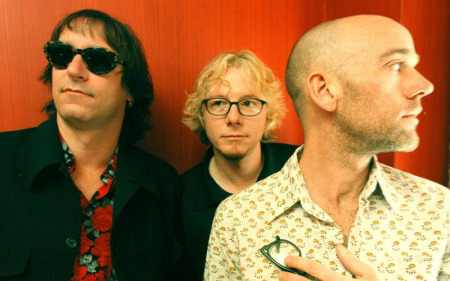
R.E.M. - Up (1998)


1) Airportman; 2) Lotus; 3) Suspicion; 4) Hope; 5) At My Most Beautiful; 6) The Apologist; 7) Sad Professor; 8) You’re in the Air; 9) Walk Unafraid; 10) Why Not Smile; 11) Daysleeper; 12) Diminished/I’m Not Over You; 13) Parakeet; 14) Falls to Climb

Channeling their internal confusion and melancholy through electronic elements and noise textures, R.E.M. begin anew and create their most ambitious and incredible record. 


Key tracks: "Walk Unafraid", "Daysleeper", "Falls to Climb"

First time I heard “Lotus”, one of the key singles from Up, I wasn’t particularly thrilled. Granted, I was about 10 and my music taste wasn’t particularly good at the time in general, but I still vividly remember hearing it and how odd and disjointed it sounded to my ears - to the degree that I still remember it. I guess many people were in a similar position to me at the time, likely including R.E.M. themselves. Bill Berry had left and given the others his blessing to continue without him, and they did so with mixed feelings, describing themselves as a three-legged dog. Things didn’t just have to change, they were forced to change. 1998 was a peak year for alternative rock heroes discovering electronics and R.E.M. found themselves caught in the tide by half-accident: occupying Berry’s empty drummer’s seat with drum machines was a logical step, but they dug deeper than just that, hiding their own troubled thoughts into sonic layers and scratching the traditional R.E.M. melodies with organised chaos.

It’s up for debate how much of it was influenced by the general melancholy lingering among the band at the time, but Up hatched into an introspective mood piece. Much of it is moves along the same mid-to-low tempo and the soundscape is full of detailed textures, soft keyboard walls and electronic fuzz. Peter Buck’s guitar takes a backseat and instead of his traditional bright melodies, he hides the harmony under distortion, replaces it with heavy e-bow treatment or leaves guitars out altogether in favour of keyboards. Stipe alternates between worn-out, frustrated and completely given up throughout the album and the narrator characters of his lyrics are all at their lowest point - people who have been beaten by the world and are too tired to rise up again, who succumb to accusing everyone else but themselves, feel eternally confused and out of place in the world, or just plain give up. The band members look sullen and lost in their own worlds in the back cover and that about sums it up. R.E.M. weren’t really ready to continue just yet, but they did and the emotional exert comes through in the music.

Despite the abrupt 180 in the mood from New Adventures’ rock and roll breeze, the band are still very clearly riding atop the creative wave that guided them through the 90s. Look no further than the opening twin act of Up, which is one of the most perfectly complimentary pairings of songs I’ve come across. “Airportman” starts the album in a most un-R.E.M.-like fashion, with a tiny electronic percussion pecking in the background while a strong, distorted bass appears and disappears intermittently amidst a sea of all sorts of ambient noise. A tiny piano melody seems to wander its own way, a tiniest trace of harmony all by itself, Stipe whispers and mutters his words almost incomprehensibly. This goes on for four minutes until the song gently fades into total silence. And then everything crashes. The next in line “Lotus” breaks the silence with a drum roll and launches into a surreally funky, thick and groovy number that sounds like it’s coming from the depths of a fever dream. The mood is tossed completely topsy-turvy from “Airportman”, the ambient drone switched into a loud interpretation of a rock song. But “Lotus” retains its mysterious atmosphere - Stipe’s lyrics border on nonsense in their extremely abstract obliqueness, his vocals are double-tracked throughout the song to play both the parts of a softly seductive whisperer and a guttural crooner, and the song’s instrumentation has something very beautifully unsettling to it with its swooping strings, thick bass and endlessly buzzing keyboard lines in the background, all the bells and whistles thrown around and throughout in-between (the band would release a “Weird Mix” of the song as a b-side to the single, which reverses the mix i.e. everything that was in the background is now in the fore and vice versa - you genuinely do not get just how busy the song is until you listen to it). Suffice to say I’ve turned my opinion around on “Lotus” from my ten-year-old self’s take on it, an as an opener salvo both “Airportman” and “Lotus” is a jawdropper.

“Lotus” is by far the most frenetic of Up’s lot but it’s far from the only curve ball the album throws; if anything, Up is nothing but curve balls. The running current through the album is its focus on the introspective aspects of R.E.M.’s music, but how it expresses that varies wildly. “The Apologist” swivels between self-loathing and one “I’m sorry” after another as it jumps from its loopy verses into something vaguely resembling a hook-oriented chorus, “Hope” pushes onward like a train in its electro-acoustic glory, covering its acoustic guitar bones with a dissonant electronic wail, “Walk Unafraid” increases the tempo to create something that resembles a traditional rock track although in a twisted, masqueraded form, with a habit of falling apart piece by piece. On the other end there’s the dreamy “Suspicion” with its gentle lullaby melody that sounds alarmingly otherwordly rather than soothing (and on an album bereft of traditional Buck moments, features a guitar solo), the gorgeously swirling “You’re in the Air” that reaches a place somewhere between desperate and aching, and “Diminished”, an unassumingly calm and collected with a dark heart, and another case of the arrangement favouring a selection of odds and ends to twist the song sonically into something far beyond its calm lurch forward. Even something as simple as “Why Not Smile” with its downstated melody and one of the most straightforward arrangements of the album, mostly centered around Mills’ organ, drowns itself into guitar feedback before too long, countering its own saccharine notions (or faux-saccharine, given the song can be either venomous or genuine depending who you ask).
image
What’s common with all these songs musically is the intricate attention to rhythm and the desire to distort the mood within the song. Without Berry’s steady drumming keeping the songs on track, it’s almost like the rhythm has gone off the rails: the metronome-esque drum machines tick perfectly in time, but they’re often accentuated by overlaid percussion or drum sections that are driven by fills. It gives Up a jilted feeling, a walk where the floor seems to almost give in with each step. The other hum and drum over the arrangements enhances that feel. R.E.M.’s utilisation of electronic elements isn’t just more prominent keyboards (although Mills gets the lead instrument role more often than Buck for much of the album), but it’s used to intentionally screw around with expectations: gentle songs with soft melodies covered in feedback and static, piercing synth lines and controlled chaos. It’s a fantastic sound: it’s the perfect accompaniment to the lyrics and the prevalent mood, keeping the listener on their toes and rewarding those who take the focus to sink into the production and the sound with fascinating details which alter songs forever as soon as you spot them.

Parts of Up do drop these obscuring elements and the stark nakedness and simple beauty of them are arresting in comparison. The ethereal and sleepy single “Daysleeper” captures its 2AM burnout blues mood perfectly and lifts off like a soothingly melancholy cloud: it’s the most traditionally R.E.M.-esque song on the album in a myriad of ways, from its tone to heavily band-centered arrangement, and on Up it serves as a palate cleanser and a brief oasis of straightforward grace. “Sad Professor” serves a similar purpose, an acoustic song full of late-night, isolationist melancholy that could have come from any album in the last decade of R.E.M. and now sounds like a traditional look back. It’s full of weary blues like nearly everything in Up, but there is a genuine spot of light as well: “At My Most Beautiful” is the album’s one moment of honest happiness. It’s R.E.M.’s most straightforward love song and a tribute to Beach Boys musically and vocally (with the vocal harmonies making up so much of its theme), a simple and heart-in-sleeve confession of pure love and infatuation in form of a celebration to all the silly little things you do when hopelessly in love. It’s the only moment on the album with no strings attached or doubt sown at the back of the mind and that alone makes it stand out, but it’s generally a little marvel of a song: a genuine heart-warmer of a love song. Both “Daysleeper” and “At My Most Beautiful” were also singles, somewhat deceivingly open invites to an album that otherwise retreats into itself.

That retreat makes Up special, though. The argument that a lot of the best music comes from personal hardships is painfully true too often, and it’s happened here as well. Up isn’t a traditional kind of R.E.M. album, certainly not a beginning of a new chapter even if it feels like it: it’s an abrupt interlude and gear change which needed to exist, rather than a new iteration of the band making their bold first step. But it’s an album soaked with meaning, feeling and power. Its dense sound is an aural chest of wonders that begins to create its own reality as it begins, enveloping the listener within the production and demanding attention to every little detail. Within that production is a selection of songs full of ache and confusion, brought forward by a captivating emotional performance. They’re songs that are subtler about their intentions than most of the band’s music, but which pack every bit as much strength inside them: if you want hooks you have them, but there’s a whole realm of inspiring musical passages, fantastic instrumental parts and fantastic areas where strong songwriting and deliberately emphasised production choices seamlessly merge, where both are as important as each other. It hits hard. Up isn’t a signifier of R.E.M.’s most obvious strengths but through the band challenging themselves and pushing through their hardships, they have created a superlative album that is, quite honestly, their best record.

That statement isn’t a slight towards Bill Berry - the man was essential, as some of the other later-day R.E.M. albums prove. And it’s a statement obviously loaded with an incredible amount of personal bias: over time Up has found me at times when I’ve needed something like it the most, it was one of the key albums that made me re-think and realise certain facets of music that I thoroughly love, and its weary mood mixed with its gorgeous songs have a power even today that takes me aback.
I’ve held back on mentioning Up’s closer until now. As fantastically as it started, Up’s complimenting bookend has a similar importance to its cycle. At the final moments of a long, contemplative album, “Falls to Climb” offers its final confessional. Built entirely around a swirling organ and Stipe’s tortured, waiting-on-release singing, “Falls to Climb” is the final act of release, with the narrator accepting his faults and the effects of his actions with martyr-like openess. The music gradually builds element by element each go-around, sometimes with bogus steps - the acoustic guitar that only appears for a moment before disappearing forever again - until it finally lifts off with a simple marching beat, Stipe yelling out his final lines of the album - “I am free” - over and over again before the music quietens down. It’s the perfect finale for Up: an emotional expunge to settle the score, to bury the emotional conflicts of the album and to relieve as much the narrator as the listener. It’s one of the very best songs R.E.M. ever did, and as a closer it’s one of the rare ones which present such an impactful finale that after the album stops to silence and you emerge back into the real world, everything feels a little different, your own emotional charge feels different.

It’s hard for me to describe exactly why, but this is among the very, very greatest records ever for me, likely even in the top 2 of all time if you want to go list-y. Should I consider reasons why I love music so much, it’s albums like this.


Rating: 10/10

15 Apr 2019

Air - Moon Safari (1998)


1) La femme d'argent; 2) Sexy Boy; 3) Kelly Watch the Stars; 4) All I Need; 5) Talisman; 6) Remember; 7) You Make It Easy; 8) Ce matin la; 9) New Star in the Sky; 10) Le voyage de Penelope

Rating: 8/10


Late 90's space-age lounge chillout never sounded better.


In a way, Air never surpassed Moon Safari. And yet, in another way this comes so frustratingly short of being a real proper classic that I'm still probably more eager to listen to some of their other albums over this on a given day. The reputation of Moon Safari doesn't seem to be as big or notable as it used to be either, but its list of merits is notable. It launched Air straight to the top upon its release, it spearheaded (even if didn’t start) the chill-out trend that cropped up around the millennial years and it's still the main reason why Air continue to have a relatively high profile despite their public presence having faded some time ago already. Which is unfortunate, because the album really does deserve accolades. 

For starters, if there's one thing in particular to note about Moon Safari is that it sounds wonderful. It's a cool and collected album, but the level of skill that Benoit and Dunckel display here is borderline boastfully arrogant. Not only are the general production and arrangements absolutely on point, but the ace in the hole is how the obvious retro throwback feel, hailing towards 60′s lounge and 70′s hi-fi studio wizardry, has been so well augmented with a modern flair that the album even now sounds fresh and in-date. While it arguably paved way for a lot of chill-out music and it sure is a laid back album, the overall tone is more about how cool it sounds - as if Air decided to take all the stereotypical notions of French cool and make it a real, tangible thing. Nothing exemplifies all this better than "La femme d'argent", arguably the album's signature song and its opener. It grooves with such smoothness that it slides off the speakers, painting a beautiful picture with its rich sonic palette as it ebbs and flows so effortlessly. 


From there, Moon Safari goes from strength to strength. "Kelly, Watch the Stars" frolics through the air like a dance anthem that decided to take it easy one day (although, admittedly, I do prefer the peppier single mix); "All I Need" is the musical definition of a blissful summer's day; "Talisman" adds a touch of drama with its cinematic orchestral sweeps, and "Sexy Boy"... "Sexy Boy" really makes a point about that notion of confidence brought before. It's a ludicrous song, and really makes no sense between the throbbing bass, the distorted guitar walls, dreamland verses and Godin's sensual falsetto whispering about idealistic manliness into your ear. And yet the duo fully embrace the ridiculousness, convert it into effortless cool and even daringly slam it right after the incredibly classy "La femme d'argent". It has nothing to do with the rest of the album and yet without it Moon Safari would be a lesser deal. 

But - and you knew there was going to be a 'but' - it's clear that the big signature moments were placed in front of the album and the latter half is more of a pleasant comedown from the initial heights. It still sounds lovely of course, and the pastoral "Ce matin la" and the stargazing bite-size pop nugget "Remember" are solid continuation from what came before. But then, as nice as "You Make It Easy" is it's still a reheated version of "All I Need" (same tricks, same singer, less impact) and as wistfully pretty as "New Star in the Sky" can get, it sways along a little too long for its own good without doing much for most of its duration. "Le voyage de Penelope" is so nondescript that after so, so many years of owning the album and literally having listened to it an hour before I started writing this paragraph, I still can't remember how it actually goes, which ends the album on a major flat note. Which is a shame because up until the last stretch of songs, Moon Safari was on a straight and clear path to the canon, and then it's just gone and muddled things up for itself. It’s why I always remember Moon Safari being incredible, but never feel quite as overwhelmed by it whenever I reach the end of the disc.

That Moon Safari doesn't quite reach its high ambitions is a little surreal, given how out of the ordinary it sounds nearly every step of the way. Not a lot of albums have gone these roads since even when they've mined the same inspirations, including anything by Air themselves, and that's a lot to do with how Godin and Dunckel manage to keep everything so timeless, blending together the old and the new and gluing them together with the golden-eared production. It'd be perfectly fair to call this Air's most essential album because it feels like the perfected form of what the duo have aimed to strive for, with all the subsequent developments since sounding like sidetracks. What they created here is something thoroughly lovely - a perfect sunset evening soundtrack, a head-nodding groove, a carefully detailed daydream. At that stage, debating whether this really is a classic or not seems almost like splitting hairs: it’s a lush experience nonetheless.