CD10:Tillbaka till samtiden (2007) + Bonus tracks: 12) Min värld; 13) Tick tack; 14) Det kanske kommer en förändring; 15) Ingenting (Demo); 16) Håll dit huvudt högt (Live Eskilstuna 2008)
A great career (so far) retrospective box set for a great band, with enough treats for the fans too.
Following the closure of one chapter and the start of a new one in their career, Kent continued to avoid releasing any kind of a standard greatest hits package, and instead celebrated the milestone with a box set collecting together the first decade and a half of their career: the evolution from scrappy angst-rock wannabes to stadium-sized hit makers and stylistic chameleons stubbornly doing exactly what their instincts told. I managed to score this suspiciously cheap in nearly brand new condition, and I still consider that as one of the best music deals I’ve come across when it comes to getting your money’s worth.
Part of the box set experience is the physical wonder, and the Kent box ticks this pretty well. The overall design is minimalistally sleek and stylish rather than lavish and glamorous: the ten CDs are stored a sleek, compact box within a slipcase, and the discs have their own slipcases that feature minor re-designs of the original cover art to create a shared aesthetic within the box. It's not a box set that may not particularly wow in presentation, but it looks and feels just right for the band and their general restraint. The obligatory companion booklet is pleasantly thick and informative: you’ll need to brush up on your Swedish to read through the band’s chronological and often irreverent take on their own career path as each era gets a quick behind-the-scenes glance, and given Kent aren't exactly reknown for talking to the press, the information here is fan gold. Together with other interesting trivia e.g. setlist samples across the band's history, it's a solid retrospective and a great backdrop for what matters the most, i.e. the music.
I've reviewed the albums separately and you can find the links to the individual reviews in the tracklist so there’s little point in repeating myself - the gist is, by 2008 Kent had become a great band who had been responsible of plenty of great albums and classic songs, with a few wobbles along the way Thus, from a fan perspective the main hook here will be the bonus material, and it's much better than some of the tracklist initially might read as. The b-sides for the first four albums were already collected in B-Sidor 95-00 which is included here anyway, and so the first half’s somewhat scarce bonus material mainly focuses on demos and live cuts - but don't let that think they're not something worthwhile. The big snag are the handful of recordings from Kent’s early incarnations Jones och Giftet and Havsänglar, and they are shockingly good - the recording quality is shoddy but the early 90s alternative/indie sound is great and as songs they are more interesting from an arrangement and melodic perspective than most of the 1995 debut album. It's actually weird how the band almost regressed from their initial versions when they started recording their proper debut album (based on these carefully selected excerpts), and if the debut had more songs like "Håll i mig" I'd be singing a different tune about it.
The other demos have been selected carefully to show aspects that haven’t been heard in public before, and they aren't just scruffy versions of familiar songs as one might expect. A handful of Isola era songs look to have been originally conceived much earlier and so the demo for "Saker man ser" sounds far more intimate when featuring just Joakim Berg and his drum machine, and the demo for “Din skugga” has none of the studio version's guitar walls and instead has an (synth-)orchestral backing that echoes the 2009 single "Hjärta". The later demos follow suite, with "Socker" being similarly intimate to "Saker man ser" but now with an entire section of lyrics that were scrapped from the final version (we finally a get title drop!) and "Ingenting" driving in the style change as even the home demo goes all in on the electronic flourishes. The rest of the bonus material for the first four albums revolves around the band’s ill-advised attempt at cracking the English market: the live recordings of "OWC" and "Celsius" are the English versions of the songs, and you also have demos for the previously unreleased “Inhale/Exhale” and later on “Love Undone” (an English version of Vapen & ammunition’s “Duett”). The new songs recorded for the English version of Hagnesta Hill haven’t been included (one of the box set’s very few exclusions), but the English material that is presented proves really strongly how much Berg struggles with singing in English with his practically incomprehensible enunciation, and I genuinely do not think we are missing anything from hearing less of it. If anyone ever wishes Kent would sing in English so they could understand it, just point them to these songs as a counter-point.
Nonetheless, the albums from Vapen & ammunition onwards get inarguably more rewarding with the bonus material as the box set acts as a chance to compile all the b-sides and non-album singles from these periods together. There are some great songs among those: all four of the Du & jag döden b-sides are practically essential to any fan of the album as they retain both the sound and the quality of the record, and the beautifully deep and atmospheric "Det kanske kommer en förändring" is a stunningly good scene-setter, lush in rich keyboards that coat Berg's voice in distant dreaminess. The non-album singles, the Rock Band favourite "VinterNoll2" with its urgent guitar energy and the wistfully ethereal "Nålens öga", would have been real album highlights had they ever appeared on any, and this is the only release outside the actual singles where you can find them. There's also one brand new song in form of a live version of "Håll dit huvudt högt", which was never recorded in studio and so this is the only time it ever appears in Kent's discography. Given how Kent-by-numbers it is that's no real surprise and making it one of the box set's selling points feels rather rough, but it's still a thoroughly enjoyable song: a dictionary example of a song that introduces literally nothing new to the band who wrote it (some of the melodies are so familiar I had to check they weren't circulated to other songs), but the familiar ingredients create an enjoyable, if a very safe, tune.
The long and short of this is that if you're still stuck in the CD era, Box 1991 - 2008 is a great way to get hold of a little over the first half of Kent's back catalogue (if you're even able to easily find this anymore). If you're a big enough fan to consider getting the box even if you own everything already, then the bonus material is worth it for the latter day b-sides alone, alongside the genuinely interesting demos. Kent have always done their utmost best to avoid cheap retrospectives (even the compilation that did arrive after they called it a day is so irrational that it feels like intentionally flipping the bird), and the box set reflects that well, with clear care to attention in place and not just chucking any old recordings as blatant fan grabs to listen to once and forget immediately. I don't think my average rating for the albums will quite match the rating for this box, but that extra boost is for the full package and the value it has. It acts like a real history tour, told in music - and so, I give my eternal kudos to whoever priced this at around €30 within months from release at my then-local record shop.
1) Just Dance (feat. Colby O'Donis); 2) LoveGame; 3) Paparazzi; 4) Poker Face; 5) I Like It Rough; 6) Eh, Eh (Nothing Else I Can Say); 7) Starstruck (feat. Space Cowboy & Flo Rida); 8) Beautiful, Dirty, Rich; 9) The Fame; 10) Money Honey; 11) Boys Boys Boys; 12) Paper Gangsta; 13) Brown Eyes; 14) Summerboy; Bonus tracks: 15) Disco Heaven; 16) Again Again
The humble beginnings. A late-00s pop record, feat. one Lady Gaga.
When Lady Gaga first appeared, I thought she'd be a flash in the pan. Her sound was so trendy it’s like it was fated to go out of date in record speed and her quirky vocal hooks came across like gimmicks that would get old just as fast, and so I quickly filed her down as someone we wouldn’t hear again from anytime soon. My 2008 self was, of course, proven wrong repeatedly and without mercy in the years to come as Gaga started shaping the pop scene into her own playtoy and went on a trajectory that her early hits in no way signalled. I never actually listened to The Fame until way after she had established herself as a particularly strong and unique creative force, and so when I finally got around to it, it was with expectations of hearing hints of her future adventures across its deep cuts. Turns out, the biggest surprise with The Fame is just how absent it is of all that.
A lot of it has to do with how little The Fame sounds like Gaga herself. On later albums she’d pick and choose her collaborators and producers and instruct them to work under her vision, but here the balance feels like the other way around and the producers have much more of an imprint to the songs - most recognisably RedOne who'd effectively codify his own signature sound through this album much more than Gaga established her own. I don't know if it's because as a new artist she either didn't have the courage or simply wasn't able to take a tighter control, but The Fame sounds tame as a result. It features Gaga playing the pop game of the time without doing anything to upset its ruleset, and coming from her of all people that play-by-the-books approach is just not all that interesting.
And in all honesty, there isn't much in the way of songs to really shout out about either. It’s clear that Gaga is already solid with her melodies - I can remember at the very least the chorus hook for nearly every song just by looking at their names - but the writing around those hooks is very lightweight. The songs have played all their cards by the time the first chorus has finished and they're only dealing random sets of pairs rather than surprise flushes, and once again that seems to be more tied to just how timid and stuck to its producers' formulas the album is. I don't actually mind the production job as such - I guess 2008 has now breached that point where I can start feeling faint nostalgia about the whole deal - but most of the time it's where all the kick these songs have comes from. Gaga has scattered effective hooks and melodies all over the place but they lack the detail of her later efforts and sometimes are almost desperate to stick: that's where all the everpresent idiosyncratic vocal hooks come into play, the mum-mum-mum-mahs, the do-duh-do-donts, the producer tag shoutouts and the word salad rambles like opening sloganeering of "Starstruck". I hate to use this word but lot of the songs feel downright basic in composition and lyrics and while they may satisfy the primal urge to tap your foot to the rhythm, there’s little beyond the surface. Outside the singles there’s very few songs within the selection that really grab a hold: I quite like the cheesiness of "Boys, Boys, Boys" and it has one of the more genuinely effective choruses of the bunch, and "Starstruck" has a perky robo-groove and a flow that stands out, but even those come with some caveats.
But of course there’s then the singles, which stand out massively from the rest of the album; that is, apart from "LoveGame" which gives us the infamous disco stick lyric but otherwise just fades in with the rest of the album cuts. But "Just Dance", "Poker Face" and "Paparazzi" are all miles above anything else on the record, and the latter two are the few visible links to where Gaga would head next. The dramatic "Paparazzi" has the same hallmarks of vague concepts interpreted in an over-the-top fashion that would drive Gaga for much of her career, and it's more intricate in its composition than the rest of The Fame. Meanwhile "Poker Face" not just carries the album's by-and-far best chorus, but its oddball middle-eight "rap" is an iconic Gaga moment where she makes something great out of an idea that would fall apart on anyone else’s hands. You can hear Gaga's own voice in these two songs the clearest and not by coincidence, they're also the only cuts on the album that somewhat come eye-to-eye with anything else she's done, "Paparazzi" in particular. And if Gaga is operating in the same comfort zone as anyone else in pop in the late 00s, then "Just Dance" is where she runs for the throne in that very playing field. It doesn't sound much different to other hit songs from that period, but there's a reason why it has stuck around (and it definitely isn't the Colby O'Donis feature, who Wikipedia still lists as being most famous for his brief footnote appearance on this album). It’s not a triumph of originality, but it’s a Very Good Pop Song that doesn’t need anything more to it to strike. I do also enjoy the oft-forgotten fifth single "Eh, Eh (Nothing Else I Can Say)" that distills the more saccharine tracts of the album (mostly in the Martin Kierszenbaum production jobs) into a little sunshine ditty that's light as a feather but blissfully sweet. The singsongy blip-blip melody is a simple little thing that works a lot more than it probably should.
My copy of the album also comes with the bonus tracks "Again Again" and "Disco Heaven" and, amusingly enough, they're better than a lot of the songs that made it onto the record proper and probably should have swapped placed with. "Disco Heaven" is exactly the kind tribute to its namesake vibe that its name implies and possibly thanks to that, its snappier groove comes across more playful and joyous than anything else on the disc. "Again Again" on the other hand is the first real dip into the classic rock power ballads that's now become a Gaga staple, which "Brown Eyes" on the main album already hinted at. But “Brown Eyes” really shows the strength of the producer impact is on the record, with Rob Fusari's awkwardly out-jutting slick production that would sound more at home on a club floor-filler than a piano ballad. "Again Again" on the other hand has a live band treatment closer to the genre it’s in musical tribute to and quelle surprise, it works so much better. They're not enough to really affect my opinion of the album as such, but who'd have thought some random bonus tracks would actually make more of an effort than some of the stuff that ended up on the album itself?
Although, it's not really a lack of effort that's bringing The Fame down. It's a big budget pop record with a hungry lead star backed by people on top of the latest trends and it's extremely clear that a lot of blood, sweat and tears went into Gaga getting a proper blast off. But I’ve had to revise that previous sentence several times to word it in a way that didn't imply Gaga was just along for the ride, and that's emblematic of my issues with the album - it doesn't sound like a Gaga album and if it wasn't for her name attached to this (and how this comes packed with The Fame Monster in many regions), I'm comfortable saying I never would have spent as much time with it as I have done. It's a fine, serviceable album with a few good hits and a lot of decent if a little filler-ish deep cuts, but with no real identity of its own and Gaga feels like a guest on her own album, like it’s coincidental her name is on the cover rather than someone else’s. And as she’s made her move forward, she’s naturally left The Fame behind. This was a genuinely huge album when it came out, but it’s weird to consider that now, given how in the grand scheme of thingsit acts as little more than a brief, expendable prologue for its artist.
1) Midnight Train; 2) Truckin'; 3) Knife in the Back; 4) Fours; 5) The Hunter; 6) The Moviegoer; 7) Nagasaki Shuffle; 8) The Searchers; 9) Burn With Me
Rough around the edges but full of promise and some great songs - a good entrance that could and should have been the first step towards something special.
My formative music-obsessive teenager years coincided with the rapid rise of internet as a tool for any bedroom and garage act to release their music to a wider audience, which was a fantastic thing. MySpace was the vital centre of any new and budding act, and every now and then you ended up discovering something really great: as a naive teenager I hoped and prayed for labels to pick up those demo acts I bumped into so that I could hear the acts blossom, only to be disappointed time and time again on the realisation that those demos were likely the only thing I’d ever hear from them. With the demise of MySpace, for many of the young hopefuls posting their music there all of it's gone now, save for some lucky few individuals who have held onto the files on their hard drives.
I discovered Squirrelhouse through MySpace obviously and I've gone into more detail about it in my review for Friends, a retrospective collection of demos for their tentative second album which was never fully realised. Those demos were what drew me to Squirrelhouse to begin with and got me excited for the future, but unfortunately I wasn't able to visit their past: despite my interest for the quietly released debut album SPQR, it was completely unattainable to someone across several big ponds without a credit card. SPQR remained as little more than a name in my memory until many, many, many years later, when my adult self finally bought what the teenager couldn’t. By that time Squirrelhouse had been quietly long buried and even though Friends had seen the light of day by that point, SPQR is the only full-fledged, “real” album that Squirrelhouse ever released - a feat many young bands of that era never reached, which is why it’s even more of a shame why it’s been buried in history.
The vision that SPQR builds is of a band full of talent but who are still learning the ropes. It's very of its time - post-Funeral, US indie had started to expand its sound and reach wider heights and Squirrelhouse are following up on that, traces of its peers all across its nine songs. Boy-girl vocals, anthem build-ups, heightened urgency and passion, and arrangements beyond the standard rock band set (mostly in form of the horn player who's part of the band's permanent fixture and really works wonders throughout the songs) are all familiar from other parts of the era, but that's fine. One, it's a great sound and it caters for my endless nostalgia but more importantly, Squirrelhouse never sound like they're imitating. It's the kind of debut where the influences are still showing up, but you can tell they're on their way for something unique - which Friends would then realise. If anything, on SPQR the band still aren't entirely certain what they want to be, and dabble across different paths. There's only nine songs and while there's a thin running thread through them, there's a good amount of variety within them, from the more no-nonsense rock of "The Searchers" and "Truckin'" to "Midnight Train", "Knife in the Back" and "Nagasaki Shuffle", which are most reminiscent of the energy, enthusiasm and shout-along hooks that this era is most associated with, and with a little extra polish could have become surefire festival audience pleasers. The most whiplash is brought on by the anxious, riff-heavy push of "The Hunter" and the slacker melodies of "The Moviegoer": while not among the album's best, Squirrelhouse are versatile enough to pull them off and "The Hunter" in particular gets pretty powerful by its furious finale.
The best cuts, though, are the ones that directly point the path forward. The stop-start groove of "Fours" and the increasingly intensifying "Burn With Me" show signs of the ideas that the band would go on to explore with the direction for their second album, with more fluid song structures, more emphasis on the rhythm section leading the way forward and the more intricate melodic arrangements. Both are full of promise, but still more importantly are also really great songs, rough spots and all. For a budding fan, they're the sort of things that whet your appetite for the future; for a band, they're the kinds of songs you put your everything into, to push you into the wider light.
I'm obviously viewing this through multiple layers of retrospective evaluation, and while I bang on about this band being a lost treasure of sorts, I don't think SPQR would have been quite enough on its own to secure that "legacy". It's a good record, with plenty of reasonably strong highlights and you already have the band's own, unique personality showing through. It's also a little rough, occasionally unfocused and the band haven't quite yet fully grasped their own strengths yet. It's exactly the sort of record you show around to your friends in hopes of building up some form of grassroots buzz, idealistically declaring these guys are going to be something to watch out for in the future, just imagine what they could do next. And then, well. If you're a sucker for that mid-late 00s indie sound and desperately need more, SPQR is a good shout - and thanks to the now-also-closed CDBaby and their automatic upload system, the songs continue to have some presence across modern services for those who search for them - but it's also a great example of a debut release which shines with, above all, promise. As probably the number one (and only? To this day, I’m not sure if anyone else remembers them even if they have a few hundred potentially historic listeners on Last.FM) fan of the band these days I heartily recommend it - but it's Friends that really demonstrates why I still think about Squirrelhouse and still wistfully sigh that the promises brought by SPQR never realised fully.
1) Living Well Is the Best Revenge; 2) Man-Sized Wreath; 3) Supernatural Superserious; 4) Hollow Man; 5) Houston; 6) Accelerate; 7) Until the Day Is Done; 8) Mr. Richards; 9) Sing for the Submarine; 10) Horse to Water; 11) I'm Gonna DJ
Strip away any excess and back to good ol' fashion rock and roll, with a veteran's muscle. Don't call it a return to form, but they've definitely found a fountain of youth somewhere.
Accelerate is the course change that was promised. R.E.M.'s
shift to a powerhouse rock direction was long precedented by a number
of one-off songs in that vein, only to be suddenly interrupted by the
whiplash lethargy of Around the Sun. As out of the blue as that album appeared, just as quickly the band moved forward from it like it had never happened. Accelerate
is the culmination of R.E.M. going back to their early demo archives
for inspiration, their growing confidence in becoming a rock band again
even as a three-piece, and proudly refusing to let their advancing ages
determine their pace.
It's a great thing to hear, even as a fan
of mostly everything after Berry's departure. It's clear how much fun
R.E.M. themselves were having again, and the energy present here is a
real, excited energy rather than just higher tempos - which leads to a
reinvigorated instrumental performance for the band too. Mills in
particular is practically reborn, his bass riffs moving up and down the
neck like back in the 80s and they're a de facto key element of Accelerate's
sound. Buck, too, sounds refreshed and his guitar steps up to a more
dominant role once again, with a more muscular riff based approach
befitting of the rock and roll vibe the band aim for. There's a very
marked difference between the band who recorded Around the Sun
and the guys appearing here - it's such a strong second wind that
they're practically a new group here. Jacknife Lee's production helps:
I'm not a particular fan of Lee's production style, which is a very
by-the-numbers modern rock production, but the change in producer after
three albums with Pat McCarthy has given the band a fresh angle to work
with, and Lee's style is suitably punchy for what R.E.M. are aiming for
here.
The central concept of Accelerate
is a return to basics and stripping down excess. Since the 90s R.E.M.
have utilised the studio as an instrument to a growing degree and with
that, growing the running lengths of their albums. With a punctual
30-minute short run time and the sounds limited to the core trio and a
few select cohorts, Accelerate intentionally
pares things down. While much of the inspiration for the album was
derived from the past, they steer clear from repeating it. There's very
little of the old jangle on Accelerate and
certainly none of the college rock groove; instead, the album is
adrenaline-driven, quick and tightly performed, where songs are kept
brief without much room for extended instrumental fanciness. This is an
older and more matured band going towards another new direction, but
with the rejuvenated attitude of their younger days in tow to guide
them.
Their latest direction really rocks, to be exact. Over
the years it's been easy to forget just how great R.E.M. are as a pure
rock band, but here's the proof that they still have it firmly at grasp.
Take a song like "Living Well Is the Best Revenge", which might just be
one of their very best in that regard, starting the album on full
throttle and bringing forth Buck's tight riffing, Mills' integral
backing vocals and Stipe's powerful frontman command into a sharp
explosion of guitars, bounce-along choruses and a sense of force coming
from the band. It's life-affirming in its genuine rush of good old rock
'n' roll power. R.E.M. keep up that pace and power throughout and Accelerate's short length feels jam-packed with excitement because of it.
What shines through the rock-out tunes is just how great the band are feeling. Accelerate
is very much an album of its times, the current of the US political
climate running through it clearly, and on surface it's almost an angry
protest album: the political take-downs, the moments of introspection in
a chaotic world and the riff-driven, muscular songs would indicate as
much. However, with a few exceptions, such as the tense title track, the
way the band perform the songs is downright giddy. Throughout Accelerate
there's a sense of fun present that's largely been missing from the
band's life as a trio up to this point and it's so great hear that
again. Most notably "Man-Sized Wreath" is almost comedic (in a very
brilliant way) in its ridiculous swagger, complete with Stipe's howling
"ow!"s, and the closing "I'm Gonna DJ" is the band's fluffiest song
since the early nineties, overflowing with tongue-in-cheek rock bravado
so ridiculous it's charming. Even the more seriously taken songs are
played through like feel-good hits: "Horse to Water", for one, sounds
like R.E.M. learning about skate punk and dialing it to the max,
frenetically ripping through a wall of guitars like they're on fire but
most audibly having the world's greatest time doing so. Accelerate is a
generally good to great collection of songs, but it's that radiant
optimism that really makes them stand out. It's most obvious on
"Supernatural Superserious", the most classically R.E.M.-esque cut out
of the lot, instantly familiar with its phrasings and melodies, but so
incredibly effortless that it's actually a little awe-worthy. It was the
obvious choice for the album's lead single because even though it has a
calmer spirit than most of its parent album, it's both an instant
friend and an ear worm, suavely wrapping the listener around its
shimmering chorus: it, above all, sums up the album's naturally upbeat
nature.
Not all of Accelerate runs on
rocket fuel, but the return to a louder volume setting is still present
and powering everything. The teasingly short "Houston" is one of the
album's major stand-outs, in fact: its driving force is its distorted
organ that hauntingly steers the song's lament forward, lending it a
deeply foreboding feel that suits the song perfectly. At barely over two
minutes it feels like we're being robbed when it ends, a moment where Accelerate's
brevity actually feels a little too much so. "Hollow Man" switches
between the slower piano-lead verses and the sudden running speed of the
chorus, and holds a kind of beautiful grace to both, a slow-burner that
stands out more with each passing year. The closest thing the album has
to a weak spot is "Until the Day Is Done", sounding a little too
ordinary and on-the-nose with its torch song-like antics, but the sheer
grace of its chorus saves it - Buck's subtle guitar fills are
particularly lush, and a reminder that even with a bolder direction the
band's knack for suave arrangements haven't gone anywhere.
The only distinguishable flaw of note that Accelerate
carries is Stipe's lyrics, which continue the downward trend of overt
simplification and occasionally awkward phrasing first noted on Around the Sun.
On an album that cuts its running lengths to the point that it's rare
to have a moment where Stipe isn't singing, it becomes a little more
prevalent in just that tiny bit bothersome way - largely given for a
good part of R.E.M.'s journey Stipe has been such an evocative lyricist.
It's not so bothersome you'd deck any points forit , but it's worth a
mention just to give an idea on how well Accelerate
otherwise succeeds. It could have gone horribly wrong, after all. Bands
switching to a no-frills direction after years of painting with an
expanded palette can often come off almost disingenuous or misguided in
the notion of taking it back to the basics. Accelerate is anything but, because it's not a fan-pandering repeat. There's echoes of the past, particularly to Lifes Rich Pageant's pace and Monster's
guitars, and "Sing for the Submarine" intentionally references the
band's back catalogue lyrically, but above all the band forge ahead with
new ideas. Much of their work post-Berry has been introspective in
sound and nature, and even with something as sunny as Reveal there was a push to move the sound to new places in order to re-learn how to walk again on their own terms. Accelerate
simplifies in comparison, but it beams with the strength of a band who
have moved on past their difficulties and have permitted themselves to
smile again. Around the Sun had the air of a stadium band in danger of stagnation under their own global stardom; Accelerate sounds like a band who are hungry to take over the world all over again.
1) Cape Canaveral; 2) Sausalito; 3) Get-Well-Cards; 4) Lenders in the Temple; 5) Danny Callahan;
6) I Don’t Want to Die (In the Hospital); 7) Eagle on a Pole; 8) NYC -
Gone, Gone; 9) Moab; 10) Valle Místico (Ruben’s Song); 11) Souled
Out!!!; 12) Milk Thistle
Oberst lets his hair down and returns to his americana fancies in his most casual set of songs yet.
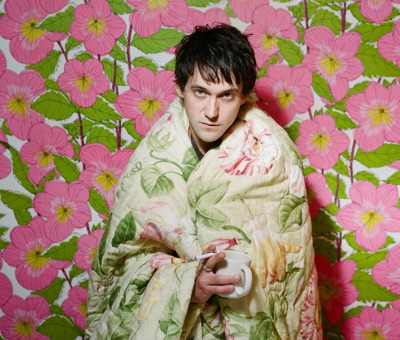
Given this is Oberst’s debut release under his own name (excluding any
very early recordings) the big question it needed to answer was how it’s
any different to the already primarily Oberst-centric, still pre-hiatus Bright Eyes, and to
its credit Oberst’s self-titled does a great job establishing that. You
only need to look at the lazily blissed out Oberst on the front cover to
get the idea. Releasing music under his own name means Oberst could take a
practical holiday from the confessional singer/songwriter route of
Bright Eyes, and this album is literally that: a record about Oberst
inviting his musician friends over to Mexico and casually laying down
songs just for fun, almost accidentally creating an album in the process.
What you have here is the most upbeat record Oberst has ever
released. Stylistically he doesn’t stray too far away from his signature
sound, with the only real musical difference between this and Bright
Eyes being how the weighting between the indie rock core and the
ever-increasing americana elements lean more towards the latter. But the
Oberst of old would never have found himself smiling this much on an
album. There are a few solemn moments reminiscent of what we’re used to
from him (“Lenders in the Temple”, “Eagle on a Pole”) but by and far
Oberst is kicking back and winding down here, with chilled campfire
songs, major chord americana singalongs and even a couple of moments of
sheer irreverent fun - the saloon-stomping “I Don’t Want to Die (In the
Hospital)” is so out of character it causes whiplashes but you can’t
help but chuckle with it. The jovial atmosphere of the sessions comes
across very naturally too - this isn’t an album which makes it a point
to be positive, it just happens to be so.
The
casual way of the album coming together also means that Oberst
isn’t writing with any major investment, and putting it bluntly the
material here isn’t the greatest that he’s come up with. For most part
any particularly poignant lyrics or genuinely gripping songs shine with
their absence, and even the best songs seem almost accidentally so,
their small strengths carried by the infectiously laidback tone that
runs throughout the album. “Cape Canaveral” and “Souled Out!!!” in
particular are both fairly simple
songs but reflect the album’s heart
clearly: the former sounds so relaxed it feels like the song Oberst
would be strumming in his hammock, while the latter’s lackadaisical band
interjections give an impression of everyone having a blast while
playing. These two also carry the strongest melodies of the album, but
the same theme runs throughout the album - I’m not sure if I’d ever want
to urgently hear “Danny Callahan” or “Milk Thistle”, but whenever the
former’s on I can’t help but tap my foot in full enthusiasm because of
how perky it sounds or zone out to the latter when it closes the album
like a peaceful summer sunset. They’re feel-good songs, where any
weaknesses in the craft are patched up by the infectious vibe they have.
The
actually, technically strongest songs of the album are arguably the
more serious ones, even if they feel like intruders in this context. You
can tell Oberst is in his comfort zone with them though, and the
haunting “Lenders
in the Temple” in particular is one of the best songs of this era. And
yet they, or any of the other songs, are not even close to the usual
Bright Eyes standards, to an initially downright disappointing degree -
for a remarkable songwriter, most of these songs are fairly unremarkable
additions to the repertoire. But it’s hard to be upset when you hear
how wide a grin Oberst has on his face, and his road trip postcard
manages to have a surprisingly lasting charm to it beyond just the
material’s core strength. It’s a very comfortable, pleasant listen, in
the best way of using that word - music that might fade a little in the
background, but which sounds good filling the space there.
1) 2 Atoms in a Molecule; 2) Jocasta; 3) Shape of My Heart; 4) Do What I Do; 5) Give a Little Love; 6) Second Lover; 7) 5 Years Time; 8) Rocks and Daggers; 9) Peaceful, the World Lays Me Down; 10) Mary; 11) Hold My Hand as I’m Lowered
Morbidly romantic, twee but borderline melancholy. Quite pretty all the same, and massively overshadowed by its runaway bubblegum hit.
Noah and the Whale were largely introduced to the greater audience
through the run-off hit “5 Years Time”, a perky and incredibly twee folk
pop sing-along about having a really lovely time with your loved one.
It would go on to haunt the band for the rest of their career. It
typecast the band as the annoyingly fluffy version of their urban folk
revival peers, a novelty hit with little real critical appreciation.
Even worse, after frontman Charlie Fink’s breakup from his girlfriend
Laura Marling, a band member at the time and his duet partner on the song, it turned into a bitter
pill that Fink had to swallow each and every gig, a reminder of both past
love and spotlight (check out videos of the band performing the song
years after its release and witness Fink’s clear disinterest for it on
his face). It’s not actually a bad song, but given its adorkable charm
it could swing either way towards irritation or adoration - I lean more
towards the latter myself, but I have always liked my “Shiny Happy
People” moments. However, the real tragedy is that it does undersell its
parent album enormously.
Peaceful, the World Lays Me Down as a whole is much more downbeat
than its big single. It’s melancholy, downright macabre and
death-obsessed at parts and fixated with unrequited love rather than
being happy together for most of its length. It is, however, a romantic
sense of melancholy: it loves to play up the sad act but with a knowing,
poetic wink to it, at times being borderline OTT woe-is-me and fully
acknowledging it. It’s almost goth-like, only if goths wore tweed and
cardigans and had a significant interest in xylophones and ukuleles.
This sort of thing could go wrong in all kinds of ways but Fink is the
perfectly charming channel for what the album tries to do: he has enough
pathos in his voice and enough wit in his lyrics bring through the
knowing wink in the heartache but lace with enough of a genuine
emotional attachment. It’s verbose and dramatic, and completely
self-aware and all the more alluring for it. “I’m not trying to write a
love song, just a sad pathetic moan” indeed.
The curiously appealing romantic misery features a genuinely
interesting album underneath, one that’s musically just as far away from
the twee leanings of its big single as its mood was. For one, it’s
gorgeously arranged. Multi-instrumentalist Tom Hobden spends most of the
album with his violin and a horn section is constantly lurking nearby
the band, and their presence is integral, and nary a song goes by
without at least one instrument outside the usual rock band combo that
seems to have been lying around and then turned into an important part
of the song’s structure. There’s also the ever-present backing vocals - they’re largely performed by
Marling and her lithe huskiness is such a great counterpoint to Fink’s
that it’s inarguable that they’re a big part what gives the album its
personality, and showcases like “Mary” definitely hammer that point
down. It’s overall a busy album in its sound but each element is given
space to breathe, which gives it a surprisingly down-to-earth feel even
though the album gets particularly lush quite often. That
intimate-yet-epic twist is the album’s forté - it makes grand statements
like “Give a Little Love” (which, with its gorgeous organ and an
incredible call-and-answer finale, is arguably the best song this band
ever pulled off), the title track or “Hold My Hand as I’m Lowered” that
much more meaningful. It also makes the largely mid-tempo run of tracks
genuinely exciting and varied.
The tempo, in fact, only really picks up right in the beginning with
the breezy and bouncy “2 Atoms in a Molecule”, the bedroom Arcade
Fire-isms of “Jocasta” and the downright jubilant sounding “Shape of My
Heart” - afterwards it’s only “5 Years Time” that injects a little
refreshing energy into the tracklist and pulls off the feat of sounding
far better in context than it does outside it. But as neat as they are -
and “Jocasta” is one of the album’s best in fact - it’s the moody cuts
that make the album and bring out the band’s strengths as songwriters
and performers. They’re full of little curveballs, both lyrical and
musical in kind, and frequently reveal true inspiration, including a
level of playfulness that’s often atypical in something like this.
There’s whimsy, personality and warmth - and often a really pretty
melody to accompany any three of them. Ultimately, strip away any of the
thematic gimmicks and these songs still stand because of how well their
core has been written.
Shortly after the album’s release Fink and Marling would split,
turning Noah and the Whale’s path to a wholly different direction while
leaving the wheel of the scene free for the band’s peers to take over.
Peaceful, the World Lays Me Down has become as bittersweet as it loves to be in its lyrics: a
great start to a journey that never really happened and a great album
obscured by the one atypical ditty. But its charm never dims. I still
keep falling in love with the melodies, the harmonies and especially the
lyrics that probably think they’re smarter than they actually are, but
damn it if they don’t reach the concept of futile, unreachable but oh
so life-vital love better than anything on this side of 80s Morrissey.
Rating: 8/10
Physical corner: Standard jewel case with a charmingly illustrated lyrics booklet.
1) Kriss Kross; 2) Big Dog; 3) Falling Out of Reach; 4) Get Over It; 5) Clarion; 6) Last Kiss; 7) Cockateels; 8) Words; 9) Standing on the Last Star; 10) Don’t Look Down; 11) Take Me Home
Mixed bag by design, but the combined brilliance of the band's creative minds strikes through.
Ideally I’d like to tackle every album on its own merits, but in order to talk about Red you first need to at least briefly mention Through the Windowpane, Guillemots’ debut album, as the former is so tied to the latter’s legacy. Through the Windowpane
is a very immaculately and in-all-honesty perfectly crafted album, a
stunning masterpiece of composition where each song inhibits a special
place in the greater whole. It was also an album that was largely
created under the vision and craftsmanship of Guillemots’ front
man, Fyfe Dangerfield. The other members definitely had their imprint on
it, but it was clear who was in charge based on the writing credits
alone, where only three songs are attributed to the band as a whole and
two of those were the interludes. Red is a complete 180 degree
flip – only two songs have come solely from Dangerfield’s pen, with the
rest having been credited to the whole quartet. This is where the key
difference between the two albums comes to play. Instead of repeating
the magic of the debut, Guillemots decided to take full advantage of the
group’s rather unique cast of members - an international collective
with backgrounds in classical training, noise music, indie rock, jazz
and hip-hop, all collaborating together to create their combined idea of
pop music. Red, then, could be called a debut of sorts for
Guillemots as a whole. It’s an album created as a team, every member
participating equally in the brainstorming and encouraging everyone to
bring forth their unique points of view. It’s only natural to compare Red to its predecessor because it intentionally takes such a great distance to what came before.
Red is all about throwing different things all over the place and giving every colour in the palette a go. Where Windowpane placed great emphasis on grandiose beauty and sweeping melodies, Red
just does whatever it feels like. The humongous, life-affirming anthems
are still present but this time they’ve been mixed together everything
from RnB-influenced pop eccentricities to loud and noisy walls of sound,
with Dangerfield intentionally stepping back to clear more room for the
other members’ voices (including literally, with Magrao and Hawkes
taking lead vocals in the crunchy, hard-hitting "Last Kiss"). There’s
no consistency, not even an attempt at it, and that’s the intention. In
its place are wild whimsicality and a dash of mad creativity -
“Cockateels” has the feel of a movie soundtrack cue turned into a
musical number with Bollywood choirs thrown in for good measure,
“Clarion” sounds like a Chinese children’s song played by a cartoon
disco group and “Big Dog” spices its falsetto-lead pop stabs with
sampled bat sounds and , to name a few examples. Red is a
madhouse where earnest pop songs filled with tearjerkingly lovely
melodies co-exist with the kind of sonic experiments that most bands
would hide away on EPs and b-sides, and they all hold hands together.
If you draw an issue with this, Red is going to be a rough ride. The band appear to be on an intentional mission to destroy Through the Windowpane’s
legacy, deciding that rather than to try to follow up what many already
called a modern classic when it came out, going for something
completely different was a far better choice of action. Remnants of the
debut flash occasionally but they’re few and far between, and you might
as well be looking at a release from a different band for all it’s worth
- but what a band this new quartet is. Red may re-invent itself
with each song but most of those songs are actually really, really good
and the band behind them is beams with inspired energy, and while the
sounds they use may be brand new, Guillemots still know a thing or two
or several about amazing melodies and how to craft massive songs. Red
largely bounces from highlight to highlight and if anything, the way
each song plays out completely differently to everything else just
emphasises the special nature of each. The tracklist is a checklist of
exciting highlights, from the beautiful (“Standing on the Last Star”,
“Take Me Home”) to the anthemic (“Kriss Kross”, “Cockateels”), from
rocking and roaring (“Don’t Look Down”, “Last Kiss”) to just plain fun
(“Big Dog”, “Clarion”). In fact, only two songs clearly show the
shortcomings that could have affected Red in a larger way in less
capable hands. The jazzy ballad “Words” feels like re-heated Windowpane
leftovers and goes to show why not making a close-knit follow-up for it
was probably a good bet, while the lead single “Get Over It” is a bit
of an aimless ruckus covered by a shiny radio slickness that doesn’t
really suit it. If you ever get a chance, try to hear a live version of
the song somewhere: the rougher, beefed-up version they unleashed during
concerts reveals what they were aiming for with the song, and how the
studio version fails to achieve it.
But it’s a small niggle. For all purposes, Red
is at the very least an interesting attempt of a band trying to
re-establish and re-invent themselves. It does have the sound of a
practice round and a transitional album, something that becomes even
clearer in hindsight through the albums after it: their sound is heavily
influenced by a lot of the elements explored in Red, but refined into a finer, more thought-out form. But as far as transitional practice rounds go, Red
comes out pretty strongly. It’s definitely a mess of an album and
really, really obviously in a completely different ball park to the
debut they made their name with, but the band still has that same
magically inspired way of creating music and when it clicks - and it
often does - the schizophrenic style-flipping doesn’t matter. When the
startlingly different opener “Kriss Kross” changes its tone from a
moody, aggressive bull-fight pounder to a far more bittersweet guise
filled with vulnerably longing beauty in its final set of climaxes
(plural, indeed), and then suddenly shifts gears again right after it,
it’s clear that while the sounds may have changed, the same great
creative minds are still behind it all.
1) Life in Technicolour; 2) Cemeteries of London; 3) Lost!; 4) 42; 5) Lovers in Japan / Reign of Love; 6) Yes / Chinese Sleep Chant; 7) Viva La Vida; 8) Violet Hill; 9) Strawberry Swing; 10) Death and All His Friends / The Escapist
It's reinvention in the mainstream sense of things, but as a creative rejuvenation this is an incredibly successful one - and heck, we can probably credit this album for making its traits popular all over the place.
It's probably a bit hard to grasp the nature of what Viva la Vida or Death and All His Friends represents for Coldplay when, on a brief glance, all their history looks the same. Their albums before Viva La Vida were huge hits, Viva La Vida itself was a massive one and they continued on the same chart-topping trajectory after it. In the general gist of things Coldplay have always been one of the world's biggest bands, to the point that it's easy to equate everything they've done simply because it's always been successful. But even though it's never been very apparent in the grand scheme of things, Coldplay have always been a band who haven't been afraid to challenge themselves and change when things needed to be: the reason they've outlasted their peers is because they've been able to evolve. Viva La Vida is the epitome of all that. It is a re-invention that not only resurrected the band creatively, but changed them irreversibly.
When you look at the first three Coldplay albums, there's a clear trajectory of a band growing bigger in sound, audience and the space needed for that audience. The music itself across the three albums is all derived from the same starting point, just growing in scope and bombast. At the height of X&Y they were a massive stadium band, playing big pop/rock songs for big crowds – songs that you could have already found on the last two albums in a more downplayed form. The band had started to fall into a rut: the overall sound of X&Y is peppered with the feeling of making music they were being expected to make rather than what they were inspired to. At this stage you have two options: either accept this and continue releasing more of the same because that's what the fans and the people at large have proven they want from you, or refresh yourselves artistically and start from scratch. Coldplay opted for the latter.
If this sounds slightly over the top, pay attention to Viva La Vida's sound. While still consisting mostly of larger-than-life pop songs, Viva La Vida's sound world is from a completely different realm than the fairly straightforward rock band setup of the first three albums. There's all manners of layered percussion, a lot more emphasis is placed on atmospheric texture courtesy of Brian Eno and Jon Hopkins (with the former producing and the latter guest featuring), an electronic flair rears its head from time to time and off-the-cuff instruments like sitar and yanqqin make appearances in a way that sounds like the band just got into a studio containing every instrument ever created. There's a lot more experimentation within the songwriting too. Songs aren't afraid to take sudden twists in mood or tempo within themselves ("42" makes this the song's entire point), there's a lot more build-up intros and outros that the band normally would have chopped and occasionally you even hear whole new, unexpected elements like the sudden shoegaze blast of "Chinese Sleep Chant". The instrumental opener "Life in Technicolor" sounds like it could have been a big pop moment had it been fleshed out into a full song, and then you learn that it was intentionally stripped of its vocals in order to avoid taking that easy route. That's the kind of self-challenge the world's biggest band exhibits here (even though the band eventually went back on that and the song was returned to its original state in the Prospekt's March EP).
It could have fell flat on its face, a band reaching far beyond their limits in a desperate attempt to seem more credible, but it absolutely doesn't. Quite the opposite: this is where Coldplay's genuine qualities and talents are really revealed. It's not just about how rejuvenated they sound here after the slight by-the-numbers feels of X&Y and how that's been replaced by sheer inspiration and determination, but the real treat of Viva La Vida is how ear-pleasingly, foot-tappingly and sense-overwhelmingly golden it is in its actual music. This is what you get when you give a bunch of hitmakers the playground to roam freely and pair them with a producer who knows how to perfect any sound. All its layered sounds, bright vocal harmonies and gigantic melodies sound so unbelieveably joyous – full of sparkling life and bright passion. Everything sounds like it could be the best: the organ-driven battle march "Lost!", the life-affirming parade of melodies that makes up "Lovers in Japan", the suddenly rocked-up "Violet Hill", the utter bliss of "Strawberry Swing", the perfectly epic finale "Death and All His Friends" (which only flaw is how teasingly short its final climax is) and so many of the songs in-between each feel like the album has only just managed to hit its peak.
The Genuine Big Song, though, is quite obviously "Viva La Vida" itself, well on its way (or already having established itself as) to be Coldplay's signature song and clearly towering over everything else in its presence. The world fell in love with it and how could they not – the simple orchestral riff and steady kick drum beat give it a quick, direct route to anyone's head, the vague-enough lyrics lend it a sense of depth and the now-famous woo-oo-oohs hit crowd participation in the head. But to split it into some basic building blocks is doing it a disservice, and listening to it again without its constant presence everywhere really reveals how it absolutely deserves to be called a masterpiece: one where everything from production to performance and most importantly feeling come together to create a song that sounds quite like nothing else out there while still containing a sense of shared universal excellence to it. It also makes for an amazing point for the album itself: that the whole thing doesn't crumble or sound underwhelming after the centerpiece has left the stage only goes to show how well crafted the rest of the album is.
Listing everything else on the album would be easy, if a little excessive; god knows I have love for the bookends of "Life in Technicolor"/"The Escapist", the importance of the breather break "Reign of Love", how "Cemeteries of London" is such a wake-up moment straightaway regarding the band's new tides, etc. Here is a band at the top of their game, discovering their true selves and it's presented in the form of a musical journey. It also reveals a side of Coldplay that could have gone amiss before – a certain kind of defiant boldness. If the band's original success felt a bit like a coincidental by-product ("Yellow" is the lone extrovert among the rest of Parachutes' melancholy wallowing and A Rush of Blood to the Head only sounds like a part of a trend of its time because it started that trend off) and X&Y was the slightly-too-conscious attempt to match it, Viva La Vida is out to rewrite the rules; to tackle their success through their own means and with their own sound. For all the flak they get for sounding safe and how Viva La Vida's eventual success slightly obscured the point, Coldplay reached out for their adventurous side here and they came back with stunning results.