17 Jun 2019

John Frusciante - The Will to Death (2004)


1) A Doubt; 2) An Exercise; 3) Time Runs Out; 4) Loss; 5) Unchanging; 6) The Mirror; 7) A Loop; 8) Wishing; 9) Far Away; 10) The Days Have Turned; 11) Helical; 12) The Will to Death

The first of the grand rush of 2004, and it starts with a melancholy, autumnal collection of understated melodies.


Key tracks: "A Doubt", "Loss", "The Will to Death"

From the late 90s onwards Frusciante, now back in full health, was bursting with inspiration and the desire to keep playing and creating music. Within half a decade he had already managed to amass a fairly reputable amount of music between the Red Hot Chili Peppers and his restarted solo career, but no one could have expected what was to come next. Only a couple of months after the release of Shadows Collide with People in early 2004 Frusciante announced that he was going to release six more records in six months during the latter half of the very same year: all brand new music, either under his own name or in new projects spearheaded by him. The real shocker is that the madman actually did it - apart from having to delay the last album of the bunch by a month, Frusciante did good on his word and delivered the same amount of albums within a year that most artists take at least a decade to release these days. While most of the songs were written and recorded during the same initial sessions and later grouped together based on the general sound, it doesn't really take anything away from the achievement - especially given the general level of quality he kept up throughout.

The Will to Death was the first album to follow the announcement, and it's a great introduction to the project overall because it shares its general aesthetic choices with the records to follow. The overall concept isn't too dissimilar from Shadows Collide with People musically, and sees Frusciante delivering relatively conventional rock songs with frequent keyboard flourishes and layered arrangements, so it makes for a reasonable bridge.  The production, however, is the big change. All of Frusciante's 2004 rush were recorded in his own home studio, produced by himself with limited overdubs or polish. The albums sound like live takes of Frusciante and his small backing band playing together in the same room, and the sound quality is warm and homely; not quite raw and lo-fi, but distant from any shiny studio glamour. They come across like a glimpse into a private rehearsal space, Frusciante playing right next to you in a personal setting.


The Will to Death's particular characteristic of its own is that it's a very solemn album: the original June release date is completely inappropriate with a record like this that's more at home during gray, rainy days (insert joke about British summers). Compared to the jubilance of creativity that To Record Only Water for Ten Days or Shadows Collide with People were brimming with, where Frusciante sounded happy to just be around playing music, on The Will to Death he's serious and world-weary. The sparse piano-lead "The Mirror" is one of the bleakest songs found on Frusciante's albums and while it's the most overt in this nature, much of The Will to Death is marked by an air of melancholy hanging around; to a point that it sounds practically peaceful in how it's resigned to its own sadness. The album name is a bit of an obvious-in-hindsight giveaway, but the point gets hammered down throughout - on "Unchanging" Frusciante calmly and soothingly sings lines like "it's a pleasure to die, a pleasure to be gone" and "life gave me up and I have no control" and sounds practically relieved while doing so, and "The Days Have Turned" is the most self-loathing set of lyrics Frusciante has written set to a gentle shuffling beat and pretty, minimal guitar. Even the brief instrumental "Helical", as pretty as it is, sounds like it has a sorrowful heart despite its external smile.

That's not to say that The Will to Death is a quiet record. Uncommonly for a Frusciante album it's very much a band record in the sense that the usual rock band trio setup is clearly and powerfully present, and there's a lot of explosive moments scattered throughout where Frusciante kicks up the volume - right from the beginning in fact, with the drum roll intro of "A Doubt" launching into a wistfully chiming guitar riff, and the initial meditative verses pave way for Frusciante eventually going all-out in the song's crescendo, his guitar roaring and voice soaring. Because of the more intimate sound these moments jump out particularly starkly: it's ultimately a production job that favours more mellow moments by default and so when things increase in strength you can practically feel it, such as the verses of "An Exercise" (which flips the usual quiet verses/loud choruses formula upside down) or the hypnotic and appropriately named "A Loop" which grows to a nearly furious intensity. This happens to the best effect in "Loss": despite its name, it's actually (musically) one of the most directly positive moments on the album and its triumphant organ-powered grand finale is one of the album's few moments of genuine light, a Shadows Collide with People moment interpreted in a humbler setting but just as powerfully. And when The Will to Death does dial it down, the results tend to be universally excellent: they're close for comfort but bittersweet in tone, full of the weariness of a man who's been through a lot and is best at channeling that through beautifully simple melody work: the aforementioned "The Days Have Turned" and in particular the understated but devastatingly pretty title track are simple but sublime songs that do not make a big deal about themselves, but have the emotional resonance to cut through any need to make them more complicated with no good reason to.

The Will to Death, in general, follows that very example. It's by and far the least flashy of Frusciante's solo records - even the largely acoustic-focused Curtains has an element of showmanship to it on the very account that it makes a big point about being The Intimate and Stripped-Down Record, and all the others make their presence known very clearly in ways as various as their styles. The Will to Death in comparison is the guy in the corner keeping to himself. It doesn't have Frusciante's flashiest solos or grandest arrangements, and its quiet darkness is really only obvious in hindsight once you begin to read the lyrics - musically it's practically serene in places. But it finds its strengths elsewhere. It's in the lovely guitar work, in Frusciante's vulnerable delivery, in the subtle but touching melodies that leave an impression behind without realising it at first and it's in the cosy, warm production that ties it all together. It's not an album that features many of Frusciante's all-time great classics (I'd pick "Loss" and "The Will to Death" definitely if I were to make a list, "A Doubt" possibly), but it's a perfect example of a record where the whole is greater than the sum of its parts, because when all those individual elements are brought together it creates something arresting and resonating. It's arguably Frusciante's most beautiful solo record, but in a way that's not completely apparent from the initial listens. But as it grows, it becomes arresting in its modest grace.

Rating: 8/10

16 Jun 2019

Midlake - The Courage of Others (2010)


1) Acts of Man; 2) Winter Dies; 3) Small Mountain; 4) Core of Nature; 5) Fortune; 6) Rulers, Ruling All Things; 7) Children of the Grounds; 8) Bring Down; 9) The Horn; 10) The Courage of Others; 11) In the Ground

Is it classic folk rock romanticism anymore when it's all so bleak and dark? Warm acoustic tones meet impenetrable sadness.


Key tracks: "Acts of Man", "Rulers, Ruling All Things", "Children of the Grounds"

Pray for all to end / And silence be all / Now the joy has burned out and it’s gone / But I don’t know where

If Midlake albums were a continuous tale, here’s what the story so far would be. A group of people decided to abandon the trappings of modern life and the mysterious monocle men of Bamnan and Slivercork, shedding away modern technology and finding a new peaceful existence in the wild frontiers. The Trials of Van Occupanther would tell their story - of a rural life not without its hardships, but more idyllic in its harmonious, natural way. The Courage of Others brings with it the darkest winter. The cold world is cruel and where once were many, now only some remain. In the middle of the forest, huddled around a lonely campfire, a group of men sing sad laments, knowing in their hearts they’ll likely never see the spring again.

The Courage of Others mostly continues where The Trials of Van Occupanther left off with its rootsier folk rock revival inspiration, but nonetheless there’s a huge gap between the two albums in how that sound is approached. The general feel is once again intimate and warm in its core but rich and layered in its arrangements, but this time the music’s heart has been covered by an impenetrable bleakness: not enough to be a thoroughly dark album but there is next to no hope or joy found here. The lyrics are filled with laments for lost opportunities and a desire for things to either change to something else completely or to simply just end, and the music seems to have never even heard of a major chord. The lush strings and horns of Van Occupanther are gone and replaced with a lone flute, quietly singing sorrowful melodies throughout the album while the sparingly used, piercing electric guitars and the band’s now-trademark layered vocal harmonies push the momentum onwards. It’s an album that has lost sight of the light at the end of the tunnel and sounds understatedly gorgeous as it fumbles around in the dark.
image
It is, unsurprisingly, a slow burner of an album. The Courage of Others is not an album of big stand-out moments like “Roscoe” or “Balloon Maker”, or even ones that make a bigger splash within the album itself. “Acts of Man” distills the essence of the album in its very first three minutes so effectively that you could claim it’s the album’s signature moment, and the (relative) energy and more notable electric guitar use of “Children of the Grounds”, “The Horn” and “Rulers, Ruling All Things” make them pop out by default, but by and far The Courage of Others doesn’t bother with instantly recognisable hits. The songs largely blend together into one, 40-minute tragic ballad, each sequence clearly distinct in their details but not enough for me to be able to associate them with the actual song names. The individual elements are all lovely - Tim Smith’s still-gorgeous voice, the masterful vocal harmonies, the intricate guitars, the perfectionistically arranged additional flourishes - but each song uses them so similarly that separating them from one another requires a lot of effort.

That slight non-descriptness of it all does deduct points away from the album and out of the original Midlake trilogy this is the obvious weak link. But don’t let that brush you away from it. The Courage of Others takes a long, patient time to work its charms but it eventually will - it’s not suitable for all occasions, but for a specific mood that begs for this kind of acoustic folk rock with a soul full of sorrow, it does the job most wonderfully. There’s a strange kind of comfort to its melancholy and a striking loveliness to its craft - something that will get completely lost in the wrong context. Given the attention and right mindset though, The Courage of Others reveals its strengths and what makes it unique from its two more universally lovable older siblings. Where it lacks in songwriting it emphasises the mood, and to Midlake’s credit they get fairly far with it.

Rating: 7/10

14 Jun 2019

Husky Rescue - Country Falls (2004)


1) Sweet Little Kitten; 2) Summertime Cowboy; 3) New Light of Tomorrow; 4) Sunset Drive; 5) My World; 6) City Lights; 7) Gasoline Girl; 8) Rainbow Flows; 9) Sleep Tight Tiger; 10) Mean Street; 11) The Good Man; 12) The Man Who Flew Away

Less a band here and more a group of people under one producer's varied vision, but the gorgeous atmospheric touch and impossibly sweet melodies are already present.


Key tracks: "Summertime Cowboy", "New Light of Tomorrow", "City Lights"

Husky Rescue's recipe is clear and recognisable. There's the wispy vocals, the atmospheric dream pop production and the unimitable Nordic charm that ties it all together and gives it that extra little magic. They make catchy melodies for the moments when you watch the sun set in the horizon, when you're driving on an empty road at 1AM or when you're enjoying your personal quiet with your headphones on. Some things have changed along the years but you can always count on the same identifiable elements to be there, like a reliable comrade who's always perfect to take along when a particular mood strikes. Those elements are on Country Falls too.

Where Country Falls - their debut - is a little different is that at this stage Husky Rescue are still closer to a producer's project, not a band or a collaboration. Everything's still taking shape, various pieces swapped around to see which fits the spot better. Rather than a set group of people going for a singular vision, this is head man Marko Nyberg's playground and he enlists numerous helping hands to stretch out the same central stylistic idea - soundtrack-esque pop - into various directions. Future lead singer Reeta-Leena Vestman (née Korhola) is only one of the various voices (male and female) found throughout the album, with no single vocal identity establishing itself as the lead across the variety of songs. Which is apt, because the songs themselves vary: you can find the more obvious blueprints to their next couple of records throughout Country Falls but there's also excursions to wholly different places, from instrumental chillout to perky sugar-laden melodies and a song dominated by a long spoken word piece. The atmospheric production is the connecting factor between the songs and prevents the album from being more disjointed than it could in theory be: if there's one feeling Country Falls wants to leave you with, it's one of being surrounded by a cloud of smooth sounds.

That slight disjointedness that peeks out periodically is both part of Country Falls' charm and the reason why it feels a little askew from the rest of the group's catalogue. Its air is rich with turn-of-millennium chillout wave and that makes it easy to slot the album into a particular place in time and geography. That, together with the variety in songs and singers, means it lacks the Husky Rescue -specific identity the later albums would have; something like Country Falls could have come from so many directions around the same time, and there's a direct lineage between this and peak chilltronica like Röyksopp's Melody AM. But the same approach also brings many great things that the band - when they later actually became a band - wouldn't have sought to create later on. "Summertime Cowboy" is the brightest, perkiest pop moment ever released under the Husky Rescue name, a song for summer afternoons rather than evenings, and its sunshine is absolutely irresistable. "New Light of Tomorrow" is a marvellous piece of soothing melancholy that would only need a little more prominent guitar part in order to have found a place in any respectably moody euro-rock album of the time; Sam Shingler's vocals work perfectly in it as well, to a point that some of the song's effect could have been lost with a singer more in line with the standard Husky Rescue style. The 8-minute showpiece finale "The Good Man" is the closest the album comes to nailing the initial soundtrack-leaning concept perfectly; it begins with a slow build-up lead by a spoken word narrative and once it's done, the music becomes the storyteller, bit by bit becoming a grand, dynamic showpiece growing in intensity and greatness, like a great piece of score depicting a long scene growing in scope each second. In the tracklist it appears after a period of long silence following "Mean Street" like a bonus track that found itself attached into the main tracklist, but the idea of it being apart from the actual album at any point feels so strange given it's one of its most impressive musical statements.

What these curveball moments happen to demonstrate is that at this stage, Husky Rescue might be a little too chill. The template for the rest of the album is mellow and suave, and frequently that's great. "City Lights", "Sweet Little Kitten", "Rainbow Flows", "Sunset Drive" make a reasonable backbone for Country Falls; a couple of them, namely the blissful musical cuddle "Sweet Little Kitten" and "City Lights" which might as well be the singular definition of Husky Rescue, are even among the album's best songs. Still, despite the minor variations in the formula it can get a little too relaxed, to the point that you end up craving more of those moments where Nyberg and the gang stretch their wings. If you're in the mood for being enveloped by a pillow of smooth sounds it's great, but particularly the back half of the album gets very, very mellow in a way that's in danger of becoming overly so, before "The Good Man" wakes things up (it's then probably ironic that the literal lullaby "Sleep Tight Tiger" is my favourite of this stretch, but it's just too cosy not to fall in love with). It's not a criticism per se, more an observation - that atmosphere is what drew me to Country Falls in the first place, but if you're not in the right mind set for it the album can leave much less of an impression behind.

The next few albums would see Husky Rescue become more of a group that creates music together and through that their sound would grow more dynamic, and that style would come to define them forevermore; even if eventually Nyberg would deconstruct and rebuild the group again as a more electronic outfit. Country Falls then is probably the purest incarnation of the initial idea behind Husky Rescue: sweet pop songs with a richly textured sound that would evoke majestic landscapes in mind, with the world and the soul resting easy within them. It's done with skill and charm, and it's easily one of the better records of the particular stylistic wave it's ended up becoming associated with. Certainly production-wise it's a marvel: it really shines through a good set of headphones and in that form you really get a sense of the atmosphere taking you to places. And yet, while its heart yearns for soothing sounds it's the parts where it goes somewhere wholly different and lively that leave the strongest impressions, and that contrast leaves it a little less than a sum of its parts. If I sound a little conflicted on what to make of it, then that's what I am: it's impossible to deny Country Falls' charms and strengths - it's a very, very good album - but at the same time it's the Husky Rescue album I listen to the least these days because it lacks the focus the others have.

Still, play Country Falls on a late summer evening when the sun goes down, and it'll feel like the most perfect record for that moment in time.

Rating: 7/10

12 Jun 2019

Mew - And the Glass Handed Kites (2005)


1) Circuitry of the Wolf; 2) Chinaberry Tree; 3) Why Are You Looking Grave; 4) Fox Cub; 5) Apocalypso; 6) Special; 7) The Zookeeper’s Boy; 8) A Dark Design; 9) Saviours of Jazz Ballet (Fear Me, December); 10) An Envoy to the Open Fields; 11) Small Ambulance; 12) The Seething Rain Weeps for You (Uda Pruda); 13) White Lips Kissed; 14) Louise, Louisa

Increasing the quirkiness and the ambition, maybe a little too much.


Key tracks: "Apocalypso", "Special", "The Zookeeper's Boy"

I feel like people tag Mew with the “prog-” prefix a little too easily just because there’s been a few funny time signatures or sudden mid-song style switches here and there. On the other hand, And the Glass Handed Kites feels like a response to all the prog-pop buzz people were throwing in Mew’s way after Frengers had blown them up to international fame. You want prog-pop? Here you go, you have some prog-pop. You can have ALL OF IT.

Mew haven’t really switched their game here, per se. Their indie rock shenanigans still owe to both dream pop and shoegaze in equal amounts and they flick back and forth in the spectrum between muscular, loud rock and ethereal, delicate beauty effortlessly. There’s ambition and boldness, songs sounding like small galaxies, the surreal lyrics conjuring imagery that sounds otherwordly when sung by Jonas Bjerre’s falsetto. What’s changed is the delivery. And the Glass Handed Kites is a song sequence, a collection of chapters seamlessly segued into eachother. Chapters - not songs. Unlike most similar albums, And the Glass Handed Kites isn’t just a run of songs quickly mixed together, but this is a case where songs literally bleed into eachother - a track might have changed and you could never notice, or a song’s radically kicked into another gear and it’s a great surprise to find out it’s still the same song. It’s full of quirks, turns and twists. It’s actually really thrilling: the first few listens, and every time you return to the album after a long time, are genuinely exciting, a wild ride that just keeps going and fills you with awe. And the Glass Handed Kites puts every other segued album I’ve heard into shame.

The thrill does wear out, yes. And the Glass Handed Kites is so focused on its grandeur that digging into it deeper, you actually find a little less than what you expected. The song cycle is all that matters and the tracklist has been crafted with that in mind: short interludes, songs that bridge the gaps brilliantly but aren’t as developed or rewarding when listening to them out of context, extended ambient breaks added as outros to help with the segues. You’ll find a better number of more exhilerating songs on other Mew albums, songs that sound great in and out of their mother context - And the Glass Handed Kites lives by the long player code so devotedly that its pieces are definitely less than its whole. The latter half of the album suffers the most from this: the entire four-song stretch from “Saviours of Jazz Ballet” until “White Lips Kissed” is effectively really impressive fragments layered one after another to create a glorious run of pomp and triumph that crumbles apart completely if you ever find yourself listening to any of the songs on their own. If you’re an album listener like me, that’s great - it’s not too much of an issue - but definite trade-offs have been made between depth and surface continuity here and the more you dig into the album, the more it rears its head.
image
There’s still plenty of excellent material that can take scrutiny though, and in particular the first half presents another four-song stretch of note, only this time one that’s far more impressive. Putting it bluntly: the “Fox Cub” / “Apocalypso” / “Special” / “The Zookeeper’s Boy” sequence is not only the most impressive run in Mew’s catalogue, but one of the most phenomenal song stretches I’ve come across in general. The quiet “Fox Cub” serves as an unassuming intro before the steadily speeding drum beat begins to take shape and launches into space. The dark rush of “Apocalypso” blasts in with its metal-lite riffs and drum havoc, suddenly morphing into the sharp-stabbing groove of “Special”, the most straightforward song on the album and even it has a habit of freaking out and breaking down its four-to-the-floor rhythm unexpectedly across the verses. “Special” segues perfectly into the colossal “The Zookeeper’s Boy”, a larger than life and starry-eyed half ballad/half anthem that finishes the chapter with beautiful fireworks and towering triumph. They are all not only humongous and superb songs but they flow into each other so perfectly and awe-inspiringly. The concept, the execution and the craft combine gloriously: it’s where every single thing you want and expect from And the Glass Handed Kites comes on display.

Other cuts as well become familiar highlights soon - most notably “White Lips Kissed” which twitches the ballad drama dial even further and the elegantly swerving power pop nugget “Why Are You Looking Grave”. And the Glass Handed Kites is a really good album, really great even at places. In many ways it’s an essential Mew album and a general must-hear - if anything, it certainly drills down the band’s sound and ethos perfectly. On the other hand though, I only go back to it in bursts: a series of listens over a few days that fill me with awe and love, before slowly moving onto other albums (Mew or not) for a more consistent dose of excitement. And the Glass Handed Kites is, to repeat a simile, very much a musical thrill ride and like thrill rides in general, you go through it too many times in a row and it loses the wow factor. The curves and slopes become too familiar and the lulls become predictable. So, I wheel the album out a few times a year, get obsessed, fall in love all over again and then realise that beyond the “Fox Cub”-”Zookeeper” cycle, Mew’s best songwriting is found on their other albums. It’s an incredibly impressive record, nonetheless - filled with ambition and Mew’s magical touch.

Rating: 8/10

10 Jun 2019

Manic Street Preachers - Lifeblood (2004)


1) 1985; 2) The Love of Richard Nixon; 3) Empty Souls; 4) A Song for Departure; 5) I Live to Fall Asleep; 6) To Repel Ghosts; 7) Emily; 8) Glasnost; 10) Solitude Sometimes Is; 11) Fragments; 12) Cardiff Afterlife

Introspective and calm, the normally fiery band lock themselves in the studio and purge their demons out via production wizardry - unexpectedly creating one of their purest, finest moments.


Key tracks: "1985", "I Live to Fall Asleep", "Solitude Sometimes Is"

The sadly now defunct Finnish music review site RockMusica was one of the places that gave the mixedly received Lifeblood a glowingly positive review. The review concluded with a short statement about the album’s nature, one that has for whatever reason made a permanent home in my head to the point that I wish I had written it. Quoting, paraphrased: Lifeblood is an album where three men first looked at themselves from a mirror, then they looked at each other and finally proceeded to write an album about what they saw.

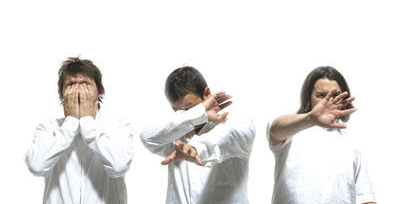
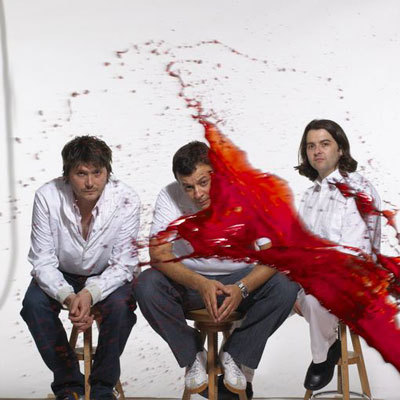
Lifeblood is an obvious oddball in the Manic Street Preachers catalogue. They have always been a band who have believed in the power of rock music and the almighty guitar - not necessarily a bad thing as James Dean Bradfield is one of the best guitarists around - but on Lifeblood the familiar Bradfield riffs and melodies have been pushed under layers of keyboards and synthesizers, the amount and scale of his traditional solos have been suppressed to almost nothing and whilst the guitar is a constant presence, it’s used to a much subtler effect to the point that few of the tracks only reveal their guitar parts if you really pay attention to what’s going on in the background. The sound of the album is generally cold, detached - you could argue it’s sterile - much like the pure, clear white that’s prominent in the artwork and which the band wrapped themselves in during the era. In some tracks it’s hard to tell whether Sean Moore is behind the drumkit or instead working his beats in front of a computer program. From a band who often seem almost embarrassed to try something completely different, Lifeblood is a bizarre recording. It’s no wonder that it’s become one of the albums that the band tries to hide away from public sight, talking about it slightly derivatively if at all and when they do actually give it a compliment, they mumble through it sheepishly. It’s not an album that makes sense.

It is slightly ironic then that out of all their albums, Lifeblood might just be their most personal one.

As a band, the Manics have always thrived on reactions. Much of their discography can be interpreted as a reaction to something: whether against their work just prior (Know Your Enemy, The Holy Bible to an extent) or the personal context around them (Everything Must Go, This Is My Truth Tell Me Yours). Such a reactionary attitude is part of what makes the band so great: it’s lead to a stylistically varied discography that’s a joy to dig in when you first become a fan, never knowing what to really expect. But in this context, Lifeblood is the odd one out. It doesn’t fit the cycle of action and reaction. It was recorded and released a short time after the band had spent time taking a retrospective look at their career and closing one chapter of it through the release of a greatest hits and a rarities compilation. They were, in a way, back to square one.
image
And so, the band decided to break free from their past. They ignored their legacy as well as any outside influence or opinions, focusing purely on their instincts, almost like going through a purging process. This included the greatest aspect of their history that hovered around them, the ever-following shadow of Richey Edwards. “Cardiff Afterlife” that closes Lifeblood was meant to be the final farewell to Richey at the time, and the song’s abrupt ending which cuts the key melody like it had suddenly hit a wall was meant to represent placing a full stop to the whole affair: to firmly close the chapter, stop focusing on the past and to move on. These days the sentiment obviously rings slightly hollow given how many of the subsequent albums deliberately invoked the band’s past in one way or another, but at the time, according to their own words, it was what they needed to do in order to continue existing - hence the album’s title.

Amusingly, for an album that was meant to bid farewell to the past its central themes are centered around history. Lifeblood is an album about loss and the significance of time passing. Wire’s lyrics are full of contemplation about life going by and changing things, whether it’s personal (reminiscing about the band’s beginning in “1985” or reflecting on how long it’s been since those days and how much one has changed during the years in “Glasnost”) or elaborating on the stories of others whose actions have been lost in time (“The Love of Richard Nixon” makes a point about Nixon’s positive work being forgotten after the Watergate scandal while “Emily” comments on how Wire feels Emmeline Pankhurst has been forgotten in way of feminist icons he finds less important). Wire’s frequent buzzline at the time was that Lifeblood was “The Holy Bible for the 35-year-olds”: dark and troubled, but replacing the fury and anger of young men with the world-weary desire to let go and move on as felt by a grown man who’s witnessed that nothing he says has no effect to anyone but himself.

At this point it’s probably a good time for me to talk about the personal context for this album. This is a five-star, 10/10 album for me: by my personal definition, perfect top-score albums like this are ones that have had a deep, personal impact on me at one point in time and which always bring up that significance every time I listen to them. The gist is, I can’t talk about Lifeblood without that personal angle. Manic Street Preachers are one of my favourite groups of all time - once upon a time I could have said with confidence that they were the very favourite, in fact (and that “drop” in ranking isn’t a slight against the band). I became a fan of theirs sometime in the early 00s and Lifeblood was the first new studio release they released after that. My first touches of stalking what artists do through the internet are related to Lifeblood - hearing radio rips of new songs that UK fans posted on forums I lurked to, checking several websites for any new nuggets of info, etc. If there was a single moment where it became obvious that I had found something personal and special with the Manics, it was the joyous on-the-spur bouncing that happened in my room to the chorus of “1985” during the very first time I started playing the album on the cool winter’s day it was released.

But why Lifeblood still matters is that it’s an album that never lost that same spark for me. If anything, over the years it’s become something much more. It’s an album that’s been with me through thick and thin, through good and the bad and through all the changes I’ve been through. It’s become a close friend. It got to the point that when I started spotting new details on these songs that I had heard a countless times before, I started to feel a sense of overjoyed discovery no matter how insignificant that detail might have been in the greater scheme of things. With each new discovery it felt like I was hearing the songs brand new once again, and somehow they felt even closer to me than ever before.
image
It’s appropriate, because Lifeblood is an album built on details. As mentioned earlier, it’s an album that places heavy emphasis on production. It’s studio-shiny, crystal clear and precise to the point of perfection. It’s also layered like crazy. Each song contains countless elements, from the most obvious ones to small background moments that never really make much fuss about themselves but which flesh out important spaces within the songs: miniature melodies, background textures, mood-guiding snippets. It’s an album where each minute has been cared for with a perfectionist’s touch and a golden ear, not a sound out of place or meaningless. One of those background elements is, surprisingly, Bradfield’s guitar. Like I noted before, the key instruments of Lifeblood lie in keyboards and synthesizers, from shining cold piano to synthesized patterns. Bradfield’s guitar gets to rip out a few, strictly focused solos every now and then, but most of the six-stringer’s presence is in rhythmic strums and faint melodies rather than in the usual Manics riffs. If anything, however, it emphasises Bradfield’s skill - intentionally creating subtler elements and filling the gaps between other instruments rather than the other way around allows his talent shine differently, showing off his arranger’s chops. Despite not being a key element of the album, Lifeblood contains some of Bradfield’s best guitar parts.

All this - the details, the feeling of loss and world moving on and the personal impact - is contained in twelve 3-4 minute glacial pop/rock elegies. All 12 songs of Lifeblood are immaculate, immense songs, many of which easily belong to the proud company of Manics’ greatest moments and the rest wouldn’t be far off. Despite the everpresent melancholy and weariness in the sound, there is an audible contentment running throughout the album - the band may be working outside their comfort zone, but they sound perfectly at ease being there, playing with a clarity of vision and natural flow the likes of which has rarely been present in their albums. New things are tried and everything works out excellently, be it James bringing out an e-bow for the first time (“Empty Souls”), experimenting writing music first and coming up with words afterwards contrary to the band’s usual working method (the rather more abstractly worded “Always/Never”), or - of all things - bringing a slap bass into a Manic Street Preachers song (also “Always/Never”, and for the record it’s brilliant).

The list of highlights goes on. “1985” is a Manics classic through and through, an absolutely incredible anthem that resonates with the power of a band at their greatest. “I Live to Fall Asleep” is tender, graceful and heartachingly wistful. The twinkling “Solitude Sometimes Is” builds bit-by-bit in intensity, growing from an introspective whisper to a shout against the world. “Fragments” is a hazy winter’s daydream, slowly bouncing along its jittery percussions and loopy organ in a hypnotic manner until it breaks into a swooning soar. “The Love of Richard Nixon” is a bizarre twist on a pop song, distant emotionally from the rest of the album as well as a shocker of a lead single (and honestly, the utterly wrong choice), but once the off-kilter double-tracked vocals and synthetic thrust wear off their shock factor, it reveals itself to be an earworm of an arrow hitting straight into a bullseye. “To Repel Ghosts” brings back the edge and the fury with an appropriately haunted atmosphere full of echo. The punchy “A Song for Departure” (both Moore and Wire were instructed to play their instruments like in “Beat It”, leading to the song’s backbone groove), the colossal and glacial “Empty Souls” and the warm nostalgic sunshine of “Glasnost” are majestic stadium moments that still bear their hearts openly; “Emily” and “Cardiff Afterlife” gently wrap their fingers around the listener as they sink into their resigned yet beautiful atmosphere. “Always/Never” is a dreamy funk trip that reveals a new dimension with each listen.

I make it a point to never do song-by-song lists in my reviews as they’re a crawl to read through, but these songs deserve the mentions. They all do. These are special songs packed with excellent lines, brilliant melodies and which reveal worlds about their creators despite coming off almost cold and aloof at first thanks to how their sound. They are both bold and fearless yet vulnerable and intimate, with no amount of production layers disguising how this is one of the few moments in Manics’ discography where no one else mattered but the band themselves. It feels vital - it was vital for the band to create it and to get it ouf of their system, and it’s become vital for me as a music listener. It’s a keystone album in my personal history and I am utterly biased about its strengths - and yet, even when attempting to listen to it more objectively it feels like the band truly tapped onto something special when they shed their familiar skins that one time.

Rating: 10/10

8 Jun 2019

Jason Lytle - Dept. of Disappearance (2012)


1) Dept. of Disappearance; 2) Matterhorn; 2) Young Saints; 4) Hangtown; 5) Get Up and Go; 6) Last Problem of the Alps; 7) Willow Wand Willow Wand; 8) Somewhere There’s Someone; 9) Chopin Drives Truck to the Dump; 10) Your Final Setting Sun; 11) Gimme Click Gimme Grid

More pleasantly familiar if completely predictable Lytle territory, with a few obvious standouts.


Key tracks: "Dept. of Disappearance", "Matterhorn", "Your Final Setting Sun"

 Jason Lytle’s first post-Grandaddy solo album - Yours Truly, the Commuter - came with a comforting sense of familiarity. It may not have been thoroughly excellent but it was very undeniably Lytle, proving that even if Grandaddy were gone he was still releasing music with the same magic intact, which is obviously a great thing. Dept. of Disappearance, his second solo release, also comes with a sense of familiarity. This time there’s no alarms, no surprises - just a feeling we’ve actually heard this all before. Just one album ago, actually.

Dept. of Disappearance could just as well be titled Yours Truly, the Commuter 2. The differences between the two albums are largely superficial: Lytle still plays all the instruments but he’s produced them to sound more like a live band this time rather than the decidedly homespun, one-man-show feel of his solo debut. The overall musical gist, however, has remained the same. Lytle plays his wistful indie rock as he longs for something vaguely nostalgic and scatters melancholy melodies all over his pretty little ditties. It’s Grandaddy with the edges off, with any fuzzier guitars and rougher moments replaced by more synth strings and piano-lead navel-gazing. Dept. of Disappearance even has a simple borderline-novelty sing-along moment in form of “Get Up and Go”, just like Commuter had “It’s the Weekend”. Dept of Disappearance comes across a lot like a neat copy/paste job that’s been brushed up a little.
image

The good thing about finding your angle and sticking with it is that if you’re good, you’re always going to produce pleasing results and that’s what Lytle has done here too. Dept. of Disappearance is in every way an enjoyable, competent album that’s going to please anyone who’s ever enjoyed Lytle’s works before and which is a good album to dig out a few times a year and lose yourself a little into. But it’s also the first time Lytle hasn’t had anything new to say that would make it stand out from the rest of his releases, and while enjoyable the songs generally aren’t doing anything special either. Few are stronger than others, like the sunset ballad “Matterhorn” and the anxious, hurried “Your Final Setting Sun”, but most of the album’s contents were already found on the last album and it was much more exciting and interesting the first time around. The title track that opens the album is by and far its best offering, starting out with a strong hook and self-assured tone that’s miles away from the general wistfulness of the album, and getting even better once it switches to its extended instrumental outro that’s restrainedly epic.

It’s only at the very end and the closer “Gimme Click Gimme Grid” where Dept. of Disappearance snaps out of its own comfort zone: the skipping rhythm of its drum machine, the dissonantly different verses and choruses and the extended length of the song all shaking things around. It’s hardly anything new or experimental but it’s a nice inspirational spark, sadly at the very of the album though. While on one hand I’m glad there’s another album’s worth of more Lytle material out there, mostly it feels like Lytle’s cruising on a comfortably pleasant autopilot for a good length of the album. That the Grandaddy reunion announcement happened shortly after the album’s release speaks for itself. There’s a great EP hiding between the covers here but for the most part Dept. of Disappearance is Lytle writing music while his heart has already been set on bringing together the old band.  

Rating: 6/10

6 Jun 2019

Jason Lytle - Merry X-Mas 2009 EP (2009)


1) Last Conversation in Waltz Time; 2) Wild Animals Slowly Approaching the Lovely Country Funeral; 3) Out Cold on Indian Ambien (Dreams of Pay Dirt); 4) Meeshell; 5) Good Chord Song for LP Two; 6) Bird Feeder Soap Opera Plot; SepDecember Song

Predictably lovely piano improvisations, fit for a freebie release for fans.


Key tracks: "Last Conversation in Waltz Time", "Wild Animals Slowly Approaching the Lovely Country Funeral"

This isn’t an integral canon entry in the saga of Jason Lytle - as the title implies this was Christmas gift to fans, released as a free download and which consists of seven solo piano instrumentals. Improvised instrumentals at that, if the blurb on the cover is to be believed. This is Lytle in the peace of his home, brainstorming for more music after his return to music earlier in the year, and we just happen to hear it out of a whim.

But for what it is, it’s a surprisingly strong and enduring listen. Lytle is actually a very enjoyable pianist - maybe not on a technical level and he shouldn’t quit his day job over it, but his gift of melody and penchant for somber melancholy are a natural fit for the instrument, especially with how his songwriting changed during his latter day career. These are lovely little ditties, a little haphazardly wandering due to their improvisational nature but beautiful to listen to. Calming, as well; if Yours Truly the Commuter relished in its particular coziness, that aspect is taken even further here. And maybe it’s just the knowledge of this being a winter holiday release, but the relevant associations are rife with the music here: it’s about as perfect a quiet snowy day soundtrack as you could want, perfect for quiet contemplation when the world turns powdery white. Put “Last Conversation in Waltz Time” or “Wild Animals Slowly Approaching the Lovely Country Funeral” on and life instantly seems more peaceful. I mention those songs specifically because they’re the homes for the loveliest melodies of the album, though in the long run none of the songs are too far away or particularly distinguishable from one another, and not necessarily in a bad way. “Good Chord Song for LP Two” might be of particular interest to anyone who really enjoyed “Somewhere There’s Someone” from Dept. of Disappearance, now here in its original embryonic form as the title suggests. “Meeshell” also apparently interpolates The Beatles’ “Michelle” but it’s subtle enough that as someone who’s not too familiar with the source, the reference is lost on me.

Lytle never intended this to be anything more than a quick surprise gift for the fans, but I’ve found that this has secured a life beyond just curio status or relegated to its designated holiday season (there’s literally nothing Christmas-sy here after the title). 30 minutes of Lytle’s gentle, lovely piano is a delightful thing, moreso than one would’ve expected and as far as random freebie downloads go this is definitely from the better end. The only thing that could have really improved it is a little bit more compositional focus instead of relying on improvisation, but then would this have sounded as relaxed as it does now in that case? Either way, it’s really rather nice - it’s no exaggeration when I say that this is probably the Lytle solo release I find myself playing the most.

Rating: 7/10

4 Jun 2019

Radiohead - OK Computer (1997)


1) Airbag; 2) Paranoid Android; 3) Subterranean Homesick Alien; 4) Exit Music (For a Film); 5) Let Down; 6) Karma Police; 7) Fitter Happier; 8) Electioneering; 9) Climbing Up the Walls; 10) No Surprises; 11) Lucky; 12) The Tourist

Pre-millennial angst that changed things forevermore. You know this.


Key tracks: "Let Down", "No Surprises", "Lucky"

I'd like to think I'm good about not letting the wider critical world affect my own amateur reviews. Rather than saying this or that is overrated or underrated, or making parallels about my opinions vs everyone else's, I prefer looking at things within my own bubble - after all, it's my opinion that matters the most to my listening habits and I imagine someone would read my thoughts to learn what I personally think. With some records that's harder than others. There's a number of albums that are so universal that they form a part of our collective consciousness even if we don't care about them: albums which have been discussed and analysed so often and in such great detail due to their importance and place in the canon that there is literally nothing new to say. Most of the time, I can still comfortably get by. Enough time has passed from The Beatles, Pink Floyd, Led Zeppelin and other sacred cows that the old canon narratives are actively being argued against while new ones are established and there's a wider variety of opinions challenging the old classics, and somewhere between those lines I'm able to place my own opinion without feeling like I'm better off just linking to the relevant Wikipedia section. Not to mention that for most iconic records, I'm too much of a natural contrarian to hold them in the highest of pedestals in the first place.

OK Computer is a curveball for me in this regard. It's a landmark album, and even I agree with that - to a degree that it feels like an actual challenge to start dissecting it apart. You're not going to find unique angles to view this album through from me, is what I am saying. It's my generation's Sgt Peppers, and I'm saying that without a single ounce of hyperbole. It's a cultural milestone that has affected so much of the other music I enjoy, inspired countless other musicians and shifted genre trends. To this day it causes so much discussion, analysis and over-analysis that we are all absolutely sick of it. We can all recite from memory the story of Thom Yorke & co becoming increasingly fatigued by society and music industry at the same time as they felt their ambitions limited by their early sound, and in turn exploding in fame and finding themselves even more fatigued through the record they made to channel all of that frustration and ambition through. And if you don't, you're pretending - because OK Computer transcends any genre barrier knowledge if you're even remotely passionate about music. It's omnipresent.You can't avoid it, no matter how much you want.

Even now, OK Computer is a prime example of a band reaching for their lofty ambitions and realising the breadth of their own skill set, and taking a boundary-breaking leap within their own path. Comparing Pablo Honey and The Bends to it is practically pointless because the change is so vast: there's enough hints on both albums, particularly The Bends, to point out where OK Computer came from but the narrative is loose, the familiarities superficial at best. OK Computer effectively re-introduces Radiohead from scratch: the urban angst of grunge-era guitar walls has evolved into pre-millennial apathy and depression, and the band are musically thinking outside their own box to the point that the tropes introduced here are now aspects the band are forever associated with. Not just that, but they're also elements that are echoed within the particular kind of rock music that followed in OK Computer's wake. You can trace a direct genealogy from it to nearly everything that has been happening in indie and alternative rock since. You think of angst-laden, introspective guitars and you'll be able to trace them here.

Like all the very best progenitors, OK Computer still sounds like its own thing even now. Despite how many times its tricks have been repeated, there's nothing that combines them quite like here. Part of it is due to Radiohead's own uniqueness, the very specific traits its members have: Yorke's falsetto wailing (oft imitated, never bettered) and characteristic lyrical style most obviously, but also Jonny Greenwood's flourishes inspired by modern classical and Phil Selway's razor-sharp drumming. There's also the neurotic flair that OK Computer is powered by that has never really been captured by its followers in quite this way. Yorke was very obviously not having a good time, the band as a whole found inspiration through it and traces of it are all over the album, whether it's the resigned exhaustion of "No Surprises", the anger of "Electioneering" or the downright crippling paranoia of "Climbing Up the Walls". OK Computer frequently sounds like its suffocating within its own four walls creeping closer together, only to push them periodically away to reveal something hopeful for a fleeting moment.


OK Computer isn't Radiohead's best album. I understand why "Paranoid Android" is iconic and as admirable as its multi-suite progression is, I've never seen it as a particular discography highlight and its first part towers above the others to the point I wish it was the blueprint for the entire song, and "Electioneering" meanwhile is basically an attempt to re-do R.E.M.'s "Ignoreland" but quite simply not as good. They're good but neither are songs I could say lifts the album for me. I also just think that Radiohead started to get really interesting after they decided to deconstruct and reassemble themselves in OK Computer's aftermath, which is when their skitterish neuroses found a sound that perfectly suited it. But, I understand why it's such a revered album, and it wouldn't need a great stretch to make me into a true believer too. After all, many of their best songs are here. "Let Down" is in some days is in fact the best song they ever wrote, period, making the world-weary desire to disappear into the most gorgeous thing when in its final minutes the song jumps off a cliff and soars into the sunset on the wings of its layered vocal parts and intensifying instrumental section. "Karma Police" is one of Radiohead's most haunting but bottles a quietly churning rage, and it twists that dagger deeper with each new section it offers. The finale for "Exit Music (For a Film)" is like that bottled rage finally breaking through, igniting into a wall of distressed sound of the like the band's rarely tried since.

The final stretch of the album is also probably one of the all-time best closing runs: "Climbing Up the Walls" makes an orchestral section sound distressingly claustrophobic (it's phenomenal, by the way); the simple but endlessly beautiful "No Surprises" is the other big contender for the band's best song and in fact its quiet but powerful fragility is what converted me into thinking there's something to this band after all; "Lucky" is as atmospheric a rock anthem as the band would ever do and the second verse's introduction of the simple keyboard texture is one of my pet favourite moments of simple instrumental additions making a real difference; and "The Tourist" achingly floats in its own world, giving the paranoia of the album a calm breathe out in the end. OK Computer has throughout its length hit with some big punches and overall high quality miserablist rock, but it concludes like a real iconic moment in music history.

Furthermore, OK Computer still feels just as relevant as it always was as well, maybe even moreso in this modern society that's growing more cynical and fatigued by the month. It's just as evocative and its songs are still impactful, proving their strengths despite every single one of them having been picked to their bones over the years; including the "Fitter Happier" interlude, which genuinely has its own important slot in the overall flow and Greater Thematics of the album. OK Computer is a truly great album, often stunningly so, and very audibly a moment where a band realised their own capabilities towards greatness and made them a reality. That so many people in the world agree with me, a lot of them way more passionately than I do, is a happy coincidence. This is all to say that out of all the albums in my collection, OK Computer is probably the one record I find the most difficult to discuss, but you're in luck: in a matter of seconds you can find thousands of reviews, articles and in-depth essays that say what I'd likely think anyway. This must be what Beatles fans feel like.

It's not one of my personal all-time greats but its place among the canon is more than justified.

Rating: 9/10

Jason Lytle - Yours Truly, the Commuter (2009)


1) Yours Truly, the Commuter; 2) Brand New Sun; 3) The Ghost of My Old Dog; 4) I Am Lost (And the Moment Cannot Last); 5) Birds Encouraged Him; 6) It’s the Weekend; 7)  Fürget It; 8) This Song is the Mute Button; 9) Rollin’ Home Alone; 10) You’re Too Gone; 11) Flying Thru Canyons; 12) Here for Good

Grandaddy frontman's cosy homecoming. Familiar old Lytle territory, but comfortably so.


Key tracks: "Yours Truly, the Commuter", "Brand New Sun", "Flying Thru Canyons"

There’s only three years between Grandaddy’s then-last album Just Like the Fambly Cat and Jason Lytle’s solo debut Yours Truly, the Commuter, but Lytle gives the impression he’s returned from decades of wandering in the wilderness. The title track which opens the album is a proud declaration of return with a typically Lytle-esque self-deprecating angle (“I may be limping, but I’m coming home”), and that same feel of humble personal triumph runs throughout, in lyrics and mood. It’s like Lytle had not touched a single instrument during his break and now sounds delighted that he’s back at it again - and revelling in his own comeback romance. Or as the song puts it, “All work and no play might have done me in / But I’m stoked I’m back after where I’ve been”.

Given Grandaddy was always a Lytle solo job not-so-behind the scenes, Yours Truly, the Commuter slots in pretty comfortably as part of that lineage musically. All of Lytle’s traits from his songwriting style to his production style of choice are here exactly as they’ve always been, making Yours Truly, the Commuter instantly familiar to every Grandaddy fan - slightly more straightforward and more acoustic than fuzzy electric guitars, but largely as expected. What sets it apart as a Lytle solo record specifically is that it’s a lot less preoccupied of the world as a whole and it has shed off that weight off its back. If you could define Grandaddy by the lyrics addressing the balance between human nature and technology and the melancholic unease that seeped into the music through it, then Lytle “on his own” is just that: a singer/songwriter with little of the worries of the greater world behind him, focusing on whimsical character studies and mild introspection. It’s grounded and low stakes, and decidedly so.
image
If you need convincing that just Lytle’s charisma and his sharp earworm melodies alone without high concepts go a long way towards a good album, leading the album with its most boisterous songs drives that point across. The title track. the Grandaddy-esque “Brand New Sun” and jovially rolling “Ghost of My Old Dog” are all familiar Lytle territory but they charm you quickly, Lytle sounds reinvigorated and they make a good reminder for why more of Lytle’s songwriting is always nice to have around. Similarly, the album ends with a stretch of wistful ballads and mood pieces that could get really repetitive really quickly, but Lytle does bittersweet wonderfully and when combined with the general friendly warmth of the album, the last leg of the album is like a somber moment of reaching the final goal but reflecting on the journey behind. “Flying Thru Canyons” in particular is a disarmingly pretty credits roll and a little Lytle highlight. The only place where things get rolled a little too thin is  "It’s the Weekend", a peppy little number about the titular matter which is so lightweight it sounds intentionally throwaway. Between the understated grace of “Birds Encouraged Him” with its lovely, gently flowing synth melodies and the almost-instrumental “Fürget It”, it’s more of an eyebrow-raising interlude than a weekend party anthem.

The biggest real criticism you could throw at Yours Truly, the Commuter is that there’s no progress or major change included, that Lytle is simply continuing to use the same tricks he’s most familiar with: only the soundtrack-like “Fürget It” explores uncharted territories. But, and it gets very clear very quickly into the album, he’s not out to outdo his prior works with the album either. The red string that ties all the songs together is that sense of home-like coziness, and you can hear that achieving just that has been the primary goal for Lytle. Yours Truly the Commuter sets itself up as a homecoming album of sorts, a return to music from someone who needed to take a break from it for a while, and the album is loaded with that sense of rested positivity that comes from that. Even now, removed from its original comeback context through time, it has the aura of meeting up with an old friend you’ve not seen for a while and finding out he’s doing pretty decently for himself. It’s not a groundbreaking record by any means, but it’s one that simply feels good to listen to and to come back to from time to time.

Rating: 7/10

2 Jun 2019

LCD Soundsystem - Sound of Silver (2007)


1) Get Innocuous!; 2) Time to Get Away; 3) North American Scum; 4) Someone Great; 5) All My Friends; 6) Us v Them; 7) Watch the Tapes; 8) Sound of Silver; 9) New York I Love You, But You’re Bringing Me Down

Houses some of the most essential LCD Soundsystem songs, but clearly the transitional period between rag-tag indie disco hits and more cohesive statements.


Key tracks: "North American Scum", "Someone Great", "All My Friends"

 A transitional step for LCD Soundsystem, and in hindsight a weird choice to raise as the band’s canonical classic considering how unfocused it is. Sound of Silver is the sound of James Murphy stretching his legs and beginning to realise his scope and ambitions as a songwriter, not content on simply churning out more witty indie disco jams in vein of the debut. The dance rock is still present and it’s the main flavour, but Sound of Silver is most characterised by Murphy’s big step into a more personal and serious style of songwriting, both lyrically and musically. The result is a mish-mash, a quilt built from wholly different cloths and one with some serious weighting issues. The bulk of the album is still pretty indebted to the debut but it’s the couple of off-curve serious moments - particularly the one-two punch of “Someone Great” and “All My Friends” - which steal the spotlight to such extent that the rest of the album is overshadowed in comparison.

Yet Sound of Silver still works, even if it’s not necessarily as immediate as the other LCD albums. The album may be the musical equivalent of throwing around things to which stick the most, but the songs that have made the cut are mostly composed of the band’s biggest classics. Ask any LCD fan for their top five songs and there’s a chance that Sound of Silver choices take up at least half of that list. Both “Someone Great” or “All My Friends” are frequently hailed as the band’s best song for a reason and it’s one piece of canon I have to agree with, because both the former’s synth melancholy and the latter’s ever-intensifying gut purge are giant songs that still seem personal to just you alone (the right answer is between the two is, of course, “All My Friends” - it’s one of the best songs of the decade, period). “North American Scum” is the archetypal example of a direct LCD rock song full of Murphy’s iconic wit, swagger and irony and it’s the best of its kind, the smokey fond farewell “New York I Love You…” has carved its own corner as the band’s single biggest tearjerker (especially after having become the set closer of their “last” concert) and the irresistable “Get Innocuous!” is the most grooving piece of music in the band’s repertoire with its Kraftwerk-bass and snappy rhythm. You could easily make an argument for “Us v Them” to belong on that list too: Murphy and co have always loved their long, tight jams that ebb and flow around a central groove, and “Us v Them” is a great, superbly fun example of that.

With that, you’ve got over half the album listed there, and each of those songs is genuinely an important part of the band’s history and legacy. It doesn’t matter if everything is a little all over the place when each of those songs are among the band’s most important and vital statements.


image

If it weren’t for the three other songs, I too would probably argue for this being the band’s best record. Not to slight on the songs given all three are thoroughly good, but they’re just completely overshadowed by everything else. “Watch the Tapes” and “Time to Get Away” are fun shorter cuts and the title track’s slowly enveloping mood manages to hit a particular soft spot in me, but all of them feel underwhelming in the company they’re in, and for most parts the other songs already do what they do, just better. On an album full of essentials they feel borderline unnecessary in comparison, a group of hanger-ons and retreads that could probably impress more under another setting but here there’s a huge gap between them and the rest.

It doesn’t change the fact that Sound of Silver is pretty much the most essential LCD Soundsystem record. It’s not their best and it certainly isn’t the most consistent, but so many of Murphy’s very greatest can be found here that it is, in some ways, the definitive experience - or at the very least, an excellent definition of LCD Soundsystem’s sound and why the group originally known just for their irreverent indie floor-fillers turned out to make a far great impact.

Rating: 8/10